

Treasuring Christ When Your Hands are Full: Gloria Furman
Tired of pretending strength when all you feel is overwhelmed? Author Gloria Furman can identify. She certainly didn’t plan for her husband’s disability, motherhood overseas, or her own debilitating injury. But she believes powerlessness as a mom isn’t the end of her story–or yours.


Show Notes
- Get Gloria's book, Treasuring Christ When Your Hands Are Full: Gospel Meditations for Busy Moms and her other books on her website at gloriafurman.com/books
- Find resources from this podcast at shop.familylife.com.
- See resources from our past podcasts.
- Find more content and resources on the FamilyLife's app!
- Help others find FamilyLife. Leave a review on Apple Podcast or Spotify.
- Check out all the FamilyLife's podcasts on the FamilyLife Podcast Network
About the Guest

Gloria Furman
Gloria Furman (MACE, Dallas Theological Seminary) has served in the Middle East since 2008 and is a member of Redeemer Church of Dubai. Gloria is married to Dave who serves as the chancellor of Gulf Theological Seminary and they have four children. She is the author of many books, including Labor with Hope; Treasuring Christ When Your Hands Are Full; and Glimpses of Grace.
About the Host
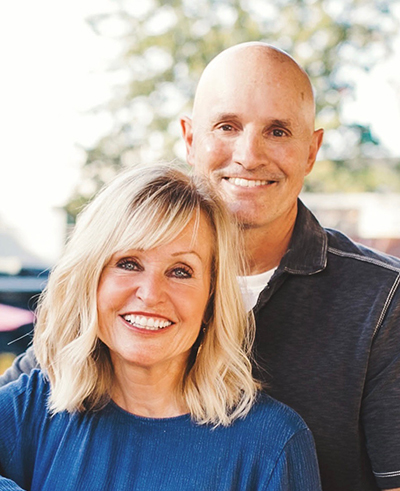
Dave and Ann Wilson
Dave and Ann Wilson are hosts of FamilyLife Today®.. Dave and Ann have been married for more than 38 years and have spent the last 33 teaching and mentoring couples and parents across the country. They have been featured speakers at FamilyLife’s Weekend to Remember® marriage getaway since 1993 and have also hosted their own marriage conferences across the country.
Episode Transcript
FamilyLife Today® with Dave and Ann Wilson; Podcast Transcript
This content has been generated by an artificial intelligence language model. While we strive for accuracy and quality, please note that the information provided will most likely not be entirely error-free or up-to-date. We recommend independently verifying the content with the originally-released audio. This transcript is provided for your personal use and general information purposes only. References to conferences, resources, or other special promotions may be obsolete. We do not assume any responsibility or liability for the use or interpretation of this content.
Treasuring Christ When Your Hands are Full
Guest:Gloria Furman
Release Date:November 13, 2025
Gloria (00:00:00):
I had this thought that quiet time meant actual quiet, and then at some point I remember saying, “Lord, I can’t have quiet time because of these children you’ve given me.” I’m like, “Wait a second. That’s weird. How and why would a good God give me a good gift that would take me away from Him? He must mean for me to see Him through this.”
Ann (00:00:27):
We have Gloria Furman with us today, and I am just going to jump in before we even talk about this book, Gloria, and I want you to go back in time because you have four kids that are still all teenagers now. No, your youngest isn’t. Your youngest is 12—
Gloria (00:00:43):
12, yeah.
Ann (00:00:44):
Yeah, so 18 to 12. But I want you to slip back in time and can you recall a day maybe with four or three that were all little, that was so overwhelming to you? As I think through that, I have many days that I’m thinking, “How did I get through that day?” Especially with young ones, and so can you think of anything? I know I’m putting you right on this—
Gloria:
Oh, yeah.
Ann (00:01:11):
Oh, you have one that just popped into your mind. Alright, take us there.
Gloria (00:01:13):
Oh, yeah. I don’t know what day it was, but I have a photograph of the end of that day. The end of that day was—resulted in us leaving the elevator and three children were sleeping, and the fourth one was awake, walking, the oldest. So there’s a photograph of me pushing a double stroller in which the child in the front seat is flopped over sleeping, had survived the transfer from car seat into stroller still sleeping. The second one—
Ann (00:01:53):
That’s an accomplishment right there.
Gloria (00:01:54):
Yeah. The second one, also in the baby seat sleeping, survived the car to stroller transfer sleeping. The third one I have on my back like a backpack, just sleeping.
Dave (00:02:07):
All three sleeping.
Gloria (00:02:08):
Yeah. The oldest took a photograph. She said, “Mommy, you look so funny.” Somehow, we got from the car to the elevator, down the hall to our apartment and all three of them still sleeping. All the while I thought, “What am I doing? What am I doing here?” Physically, that was really taxing. It’s a long walk down to the apartment, but it was the end of a really, really long day, and everybody was just too exhausted.
Ann:
How old were all the kids at that point?
Gloria:
So it would’ve been 1, 3, 5, and 7.
Dave (00:02:49):
I’m thinking there are a lot of moms relating to that, and you tell me, and they’re also thinking, “So where’s your husband?”
Gloria (00:02:57):
Yeah, my husband, he served as the senior pastor and founding pastor for Redeemer Church of Dubai for 15 years.
Dave (00:03:05):
That’s all we need to know. We know where he is. He’s not there. He wasn’t there.
Gloria (00:03:11):
No, he wasn’t there physically in that moment at the elevator in the hallway.
Ann (00:03:15):
Oh, wait a minute. That puts a whole different picture on that. So you’re all by yourself—
Gloria:
Yes, I’m the only adult.
Ann:
—making those transfers. So you’re transferring each of those kids into the stroller by yourself.
Gloria (00:03:29):
—in the parking garage, yeah.
Ann (00:03:31):
That’s impressive. That’s not easy to do.
Gloria (00:03:34):
It’s like kid Jenga.
Dave (00:03:38):
That’s not just one day. That’s probably a lot of days.
Gloria (00:03:41):
It’s a lot of days, yeah.
Ann:
Especially with kids that age. Here’s a memory I have.
Dave (00:03:48):
Oh, you wanted to ask her this so you could tell your memory.
Ann (00:03:51):
Hers is so much better. Hers is accomplishment.
Dave (00:03:53):
I hope I’m there.
Ann (00:03:55):
No.
Dave (00:03:55):
Of course I wasn’t there.
Ann (00:03:56):
You’re not there. I think you were at a meeting, a church meeting, and so I’ve got two kids, I think they were five and three in the bathtub getting ready for bed. I’m nursing the baby, and as that’s going on, one of the sons in the bathtub says, I think it was the three-year-old. No, it was the five-year-old, “Mommy, I have to poop.” And so I’m like, “Okay, just get out and go ahead. I’m nursing the baby.” He goes, “I don’t want to poop in this bathroom because Austin my brother will see me.” I don’t know why he had this kind of wanted to do it alone.
Dave (00:04:34):
And we didn’t have those bathrooms that had a separate room for the toilet.
Gloria (00:04:36):
Right.
Dave (00:04:38):
It’s right beside the bathtub.
Ann (00:04:39):
And I’m like, “Okay, then just get up. Just go out in the hall, go to the other bathroom” that’s in our room, this little bathroom. And he said, “I don’t want to,” and I’m yelling as I’m nursing, “It’s okay, just get out and go to the bathroom.” And so I can hear him get out, I can hear the water sloshing, and I can hear his little feet going down the hallway. And then he yells, “It came out. It came out.” His brother, the three-year-old, gets out and sees it and starts laughing his head off. The other brother’s mad now, and so they start fighting in the hallway. The baby starts to cry because I’m starting to get up and he’s not nursing now. And the doorbell rings.
Gloria:
Yes.
Dave (00:05:21):
Of course the doorbell rings.
Ann (00:05:22):
Yes, and the doorbell rings and back then you don’t have a camera on your doorbell. And so I’m like, “Oh, that could be something important.” I do not know why I would answer the doorbell, but it was a guy selling magazines. My thought was, “Where is my husband? Why isn’t he here helping me?” And “This is my life. This is my life.” You are like, “Look what I did.” And I thought, “I am so bad at this.” But it takes us all to, I think all of us as moms have had those days where you’re overwhelmed and you don’t know how to do it. And how do we bring Jesus into this new era of having kids? And that’s really what you’re talking about in your book, Treasuring Christ When Your Hands are Full. You’ve had your hands full. You still are and you’ve been living in Dubai. So how old were the kids when you started living in Dubai?
Gloria (00:06:15):
We moved when our oldest was 16 months, and I was pregnant with the second.
Ann (00:06:21):
Wait, so that scenario that you painted at the beginning, you were in Dubai?
Gloria (00:06:25):
Yes, that’s right.
Ann (00:06:25):
Oh my goodness.
Dave (00:06:29):
Now why Dubai? What’s going on? Husband’s a church planter?
Gloria (00:06:32):
Yes.
Dave (00:06:32):
Okay.
Gloria (00:06:33):
Yes. Redeemer Church of Dubai, where we’re members now. He has just transitioned his role to another elder, and he is now the chancellor of the Gulf Theological Seminary. A seminary that he helped to start. We serve among many, many people groups in Dubai, a very diverse city. It’s wonderful and challenging and all of the things that you can imagine doing ministry there.
Dave (00:07:01):
And so when they were little, as I was reading in your book, he also had some health issues, right?
Gloria (00:07:06):
Right. Yes.
Dave (00:07:07):
So that complicated things as well.
Gloria (00:07:09):
It does throw a wrench in things when you can’t use your arms. My husband suffers from a nerve disability, nerve condition in both of his arms. It started when we were in seminary and he was typing in class and then felt some buzzing in his pinky finger and then that spread to the elbow, and then toward the end of the year, it was both elbows. He’s had multiple surgeries to address the ulnar nerve issues that he has. So 20 years now-ish of weakness, chronic pain, and all of the atrophy that comes with not getting to use your arms and having those procedures and surgeries over the years. He can preach, doesn’t have to do very much heavy lifting physically with his arms to do that. He teaches. He leads beautifully by the strength that God supplies, but he can’t do basic fine motor skills like buttoning a shirt or even like a gross motor skill, like pulling a seatbelt across you to clip it in or opening a door.
Ann (00:08:24):
So even I’m thinking babies, he could hold your babies.
Gloria (00:08:27):
No.
Ann (00:08:28):
He couldn’t even hold them.
Gloria (00:08:29):
Yeah, there’s a waist pillow that I used to put on his lap and then lay the baby onto his lap so that he could at least sit with the baby on his lap in a somewhat more stable position. But as soon as the baby gets wiggly after a couple months, then he didn’t feel comfortable as baby just roll off and he wouldn’t be able to catch.
Ann (00:08:50):
That’d be hard for both of you.
Gloria (00:08:51):
Very hard. Yeah, hard for him, hard for the kids, hard for me.
Dave (00:08:56):
How’d you deal with that? I mean, was there lament, was there anger, was there all of that?
Gloria (00:09:02):
Oh yeah, all of the above.
Dave (00:09:03):
Walk us back there. I mean, you didn’t foresee that.
Gloria (00:09:06):
No.
Dave (00:09:07):
And now you’re dealing with that reality.
Gloria (00:09:09):
Yeah.
Ann (00:09:09):
How many kids did you have when he was diagnosed?
Gloria (00:09:13):
So our oldest was an infant, and I remember him saying, “I don’t think I can pick up the car seat anymore.” So she’s 18 now, when he was diagnosed, probably right before that. But the muscle loss happens gradually over time. So for our kids’ entire memory. They don’t remember any time when their dad could do any of those things.
Ann (00:09:43):
Gloria, what did your prayers and your talks with God sound like back then when you were just figuring all that out and realize the ramifications this would have on your future, your kid’s future, your family’s future, and his future?
Gloria (00:09:59):
We could talk about this for days.
Ann (00:10:01):
I bet we could.
Gloria (00:10:03):
I still have those hard conversations with the Lord. We’ve learned a lot about suffering. Last night, we were talking with our oldest about dating and expectations and things like that, and the thought occurred to me, when you look for a mate, of course you’re looking for a strong believer, but you need to know that this is a person you’re going to suffer with and you will grow in your theology of suffering together as you walk with the Lord together. But just know that this isn’t just a person that you’re compatible with or you like or you enjoy or you admire and look up to and respect. But you’re going to suffer with this person. So know that.
Dave (00:10:52):
Did you say that to your daughter?
Gloria (00:10:53):
We did.
Ann:
That makes me cry.
Dave (00:10:56):
How did she respond?
Gloria (00:10:57):
She knows. She’s lived this—
Dave:
It’s been her reality.
Gloria:
Yeah. The kids often asked me in their older years, “If you had known that Dad would have a disability, would you still have married him?” So just very good question for kids to think through. Of course, you say, for better or for worse—we all do—when you stand up there and you make a covenant together. If the Lord had spelled out all those details, would it have scared me away? It’s a great question for them to ask.
Dave (00:11:35):
Yeah.
Gloria (00:11:36):
So it’s been—
Dave (00:11:37):
What’d you say?
Gloria (00:11:39):
I usually say words to the effect of, being your dad’s wife is one of the greatest privileges of my life. I never could have chosen it for myself, and I’m so grateful for what God’s done in me and in him as we minister to others. We see what God does through Dave’s weakness and my weakness and proves that Christ is your strength because there’s no other explanation for it. It has to be Jesus working.
Ann (00:12:14):
And it’s interesting, you could have said no, and your life could have been easier, but would you be who you are today without the suffering because God has shaped you and Dave, as a result.
Dave (00:12:28):
One of the greatest passions of my life is growing spiritually stronger, going deeper, learning more, and connecting to Jesus more. And maybe you feel the same or maybe you just want to explore what it looks like to follow Jesus. You can go to FamilyLife.com/StrongerFaith, and we’ve got resources there that can help you grow in your faith. I really hope that you’ll check it out because I’m confident that you’ll find something there that will make an impact in your life. Go to FamilyLife.com/StrongerFaith.
I mean, you mentioned theology of suffering. How would you explain that?
Gloria (00:13:06):
How would I explain that? So who am I talking to? Am I talking to a child? Am I talking to someone in the middle of suffering? —someone who doesn’t believe suffering exists?
Dave (00:13:14):
I mean, I’m honestly—
Ann:
That’s a good question.
Dave:
—yeah. I would say you’re talking to a mom, because that’s who’s listening right now, moms and dads.
(00:13:22):
I mean, there may be some kids, but mostly parents. And a theology of suffering is a critical understanding that often is not understood properly. So when you said that, I thought, “Let’s go theological a little bit.” I mean, you’re living it so how would you explain that?
Ann (00:13:41):
I would say too, to focus a little bit on moms, whether they have a newborn or whether they have an 18-year-old going to college. What does that look like?
Gloria (00:13:53):
Yeah, you need to know primarily not just statistics about the challenges you’re facing. I think we’re really good at statistics, drumming up statistics, finding out practical helps, and how-tos of surmounting these challenges. We’re also really good at socially networking ourselves with other people who share the same challenges. There’s a Facebook group for that, that kind of help, and those are all good things that could be helpful to you, but I think you primarily need to focus on God’s character. If you know who God is and you trust Him, then you can face any myriad of challenges that He brings your way and believe that He’s with you in the valley of despair and death, and that He’ll bring you through it and He has perfect purposes and that He’s not, let’s see, working with it. There’s not a circumstance in your life that God looks at and goes, “Ooh, I’ll figure it out. Don’t worry.” He’s never surprised by any of those things. He’s orchestrated your life in such a way to bring glory to His son and build up His church. Always, only, ever doing that. There’s no hindrance or obstacle that He has to kind of hurdle over in order to make something good happen. So I would take someone straight to Romans 8:28 and just dive into that and talk about all of those things. I would share maybe my own faulty thinking about that. When we first moved, I remember one of the first months that we lived overseas, I was struggling with getting water. They told us to get water, drinking water you just put the five-gallon jug out and they refill it. Okay.
Dave (00:15:58):
Out on your porch or on your front step?
Gloria (00:15:59):
Yeah. See, this is the question, where does it go? So it’s supposed to go on a certain day of the week, and you prop the gate open, and you stick the jug out and you put the little coupon underneath it that gets you the refill. So if it’s windy or dusty, you ought to tape that thing on so that the coupon’s there. So when they come do the delivery, you do that and then you haul the water back in and wait until it comes to room temperature before you can drink it. So I didn’t figure that out for a couple of weeks. And so you need to drink. We need water.
Ann (00:16:33):
You didn’t have water for two weeks?
Gloria (00:16:35):
Well, I had to push my stroller—
Ann (00:16:38):
No.
Gloria (00:16:39):
Yeah, with the baby. She’s a toddler. I take it back, she’s a toddler. And you know that basket in the back of the stroller, it’s not big enough for a five gallon, but you can put some liter waters in there. So I’d push my stroller down the street to the little shop where they sold water. So every time I missed the delivery for a couple weeks, I would push her down the stroller and put a couple of water jugs in the back of the stroller and then just push it through. These are not really paved sidewalks. This is dusty, sandy, rocky, like, sorry kid. Mommy can’t figure out the water. And then you drive it home and nobody does this. So everyone’s looking out their window, “What is that white lady doing?”
Ann:
She must be an American.
Gloria:
Yes.
Dave (00:17:24):
Nobody came out to help you and say, “Here’s how it works”?
Gloria (00:17:27):
What’s going on? I asked around and then figured like, “Oh, okay.”
Ann (00:17:33):
Did you speak the language?
Gloria (00:17:34):
No, no, no, no. Just learning. It takes forever, years, couple years to get through alphabet and basic greetings and things like that before you can maintain any level of conversational fluency. So you can say hi and greet people soon.
Ann (00:17:51):
So it’s not like you’re going to go to your neighbor and say, “Hey, I can’t figure out this water thing.”
Gloria (00:17:56):
I could try to pantomime that, but I wouldn’t be able to say it with anyone anyways.
Ann (00:18:01):
I would want to sit in the dirt with my child on my lap and just cry at that point. That’s who I am.
Gloria (00:18:06):
I might’ve. Yeah, I might’ve. But I thought in those rough times, and this is my husband’s health, had also taken a sharp decline after we moved.
Dave (00:18:18):
So he couldn’t even do that.
Gloria (00:18:19):
No, no, no, no.
Dave (00:18:21):
That was on you, yeah.
Gloria (00:18:22):
No. At that point—he speaks about this and writes about this, but at that point, he was on the couch just staring at the wall, just in misery, in pain and depression. And I thought—this is so faulty thinking—“Lord, if you called us here, why is this happening? Why is this so hard?”
Ann (00:18:42):
Don’t we think—all of us go through that though.
Gloria (00:18:44):
Yeah.
Ann:
Yeah. It shouldn’t be this hard.
Gloria (00:18:47):
Right, but that’s not necessarily an indication of calling or God’s goodness at all, the circumstances you have. So I had to work through that and was really encouraged by a book that we picked up off of someone’s coffee table right before we moved. I saw it on the coffee table and he said, “Take it. Take it. It’ll change your life.” And it was like, “Oh, I was just curious about your book. I didn’t want to take your book.” “No, take it. Take it. It’ll change your life.” So we took the book A Gospel Primer for Christians by Milton Vincent, and in this book, he speaks about the gospel and applying it personally to your life. And there’s a page in there that’s completely highlighted, underlined, circled, and starred that speaks about suffering and God forcing all of these things to do good to you, to make you more like His Son. So that brought me extraordinary comfort to apply the gospel to my life personally in the face of challenges and suffering, and has, it’s been a ballast because getting water is small pennies. That’s chump change. Bigger, harder challenges certainly come along the way.
Dave (00:20:10):
Oh, you mentioned your husband was on a couch with depression.
Gloria (00:20:13):
Yeah.
Dave (00:20:14):
So what’d that look like?
Ann (00:20:15):
You guys? I have to go back to the coffee table and the book. I’d be looking like, where’s that book that says How to be Happy when Your circumstances are bad? Because we’re always trying to get out of our pain. We just need to get out of it. We need to be happy. And yet you’re picking up this book on suffering which—
Dave (00:20:37):
Before you knew.
Gloria (00:20:38):
No.
Dave (00:20:39):
Oh, you already knew.
Gloria (00:20:39):
I had no idea.
Ann:
No, you didn’t know.
Gloria:
No.
Dave:
Oh, you didn’t know.
Gloria:
No, no, no. My husband had been cleared. He did all his physical therapy. He was recovering from his latest surgery. He was on the up, ready to go.
Ann (00:20:49):
And you’re thinking, “We’re called over here. This is going to be amazing what God’s going to do.”
Gloria (00:20:51):
Yeah. The way my husband puts it is “I wanted to go change the world, but I couldn’t even change my genes.” It was obvious. And now in retrospect, completely obvious to him and to me as well, that the Lord’s not going to build his church through our strength. He’s not. He’s going to do it through Christ’s strength, and this is one way he was showing it. He’s been with us through all of that. You asked earlier, “What did your prayer sound like?”
Ann (00:21:27):
Yeah, I was going to ask that again. What did it sound like?
Gloria (00:21:31):
The whole gamut of, “Lord, I’m thankful for this. I know it’s making me like Christ” to “Why? Seriously. How?” And the questions, and then sometimes just, you just know. The only word I can say is help. This past Mother’s Day, I was pulling laundry out of the washing machine. I guess I was at a funny angle because I threw my back out. My first thought was—
Ann:
It’s not like you’re old Gloria.
Gloria:
“I’m not old.” See, I told the Lord that, “I’m not old.” I threw my back out, so hunched over, I was like, “Can I crawl to the wall to sit against the wall, to do this?”
Ann:
It was that bad?
Gloria:
It was so bad, so bad. So much pain.
Dave (00:22:21):
I’ve been there. You can’t move.
Gloria (00:22:22):
You can’t move.
Dave:
You’re like stuck.
Gloria:
Do I stand up? Do I lean down? I was stuck. And one of our kids was going through some health problems, and all of that emotion just came crashing down. And I crawled to the nearest wall and just sat against it. And I was like, “Lord, my back is against the wall.” And then just “My back is against the wall. I don’t know what to do. I don’t know where to go. I don’t know where to turn. I don’t know what to do next, but our eyes are on you. You’re going to have to give direction, something, help!” My back healed. I’m better. And now I’m not going to twist around the door. Really. I mean, people, you need to know this. Get in front of your washing machine and pull the wet laundry out straight.
Ann (00:23:11):
Have you guys ever thought, “I’m seeing other people that are loving Jesus and serving Him. Their life looks pretty amazing. Why me? Why us? Why have you chosen us for suffering?”
Gloria (00:23:26):
Yeah, that’s a great question. Everybody suffers whether they look like it on the outside or not. They do. And if they can’t articulate it or identify any suffering, it’s coming. This is a beautiful thing that my kids have learned just secondhand from watching their lives and their father throughout the years, is they know that people can suffer invisibly and look normal because their father looks normal. He doesn’t look like someone who described themselves as physically disabled. The way he puts it is, if it were my legs, I’d be in a wheelchair, and then everybody would see. But the children know just because someone looks happy, comfortable, and healthy doesn’t mean that that’s the case, which is incredible to have that kind of empathy built into your childhood.
Ann (00:24:31):
Yeah, it really is. Even the fact, I was thinking about that when you shared that with your daughter about—and she’s at an age, she’s 18, so she may not be far away from getting married at some point, but for all of your kids—I never had that conversation with our sons before they got married. Like, “Hey, just so you know, marriage is incredibly wonderful, but there will be suffering too.” That seems like something that’s kind of needed, especially in our culture today when we don’t talk about any of that. In fact, if there is suffering, we can tend to blame it on our spouse or our circumstances. And I think we, especially as Americans, we run from that, and we try to find happiness and fulfillment somewhere else.
(00:25:23):
Do you think that’s true?
Gloria (00:25:24):
Oh, for sure. Yeah. I think that’s part of our human nature. As moms, I think we see that coming and we shy away from it and pretend it’s not there. And if we see someone else suffering, we tell them it’s okay based on our own authority. “Oh, don’t worry. He’ll grow out of that.” You don’t know that. “It’ll get better.” You don’t know that.
Dave (00:25:59):
Yeah. Your voice in somebody’s life carries credibility and weight.
Ann (00:26:05):
Oh, yeah. Because you’ve gone through stuff.
Dave (00:26:07):
I mean, as you say in your book, nobody probably chooses to be married to Job. And when your husband said to you, “What’s it like to be married to Job?” I mean, that’s not what you’re choosing, but it is, right?
Gloria (00:26:21):
Yeah. It’s awful. Last week I stepped in this again, I like to encourage moms to encourage other moms with “The steadfast love of the Lord never ceases. His mercies never come to an end. His faithfulness is great” with God’s character instead of giving moms promises that they personally are not going to deliver on. When you see someone in a certain stage that you’ve already been through, moms want to assure other moms that it’s going to be okay, which is a beautiful thing to encourage and spur on other moms to persevere and yes, give practical help and tips and advice. Yes. Also point people to rock steady confidence and truth and their faith in Christ. A couple of weeks ago—sorry, a year ago, we went on a walk in the woods in someone’s backyard, and my youngest and I stepped into a tick bomb.
Ann (00:27:36):
What? I’ve never even heard of that.
Gloria (00:27:37):
Yeah. So it’s where tiny baby ticks are, and tiny baby ticks all went on our socks and our shoes and started crawling up our legs.
Dave (00:27:48):
Both you and your son?
Gloria (00:27:49):
My son and I, yeah. So we were having this, let’s have a not Dubai experience and walk in the woods, and that’ll be fantastic and wonderful. Wow. Got to the back porch and we’re like, what are these? And he had just gotten a pocket microscope for his birthday, so let’s go look. Oh my gosh. It’s a tick. These are ticks. These are tiny baby ticks. And we did tick checks for days, wash the clothes, wash the shoes, tick checks, you know how to do that. And then a few days later, we both found ticks on our skin. And so the doctor was like, you need prophylactic antibiotics. So I had to do that. And then a week ago—
Dave (00:28:33):
Is that just oral or do you have to take shots?
Gloria (00:28:35):
Yeah, just oral antibiotic. Yeah. And we’re fine. A week ago we’re going on a hike—
Ann (00:28:41):
And you guys, you’re doing this—you’re not in Dubai when you take these walks, you’re in America.
Gloria (00:28:45):
No, this is in the United States in someone’s back yard.
Ann:
You’re vacationing.
Gloria:
Yeah, yeah, yeah. Let’s have a not Dubai experience and go in the woods. So this time we’re on a hike, “Hey, you know what? I remember what happened last year. We’re not going to go off the trail. We’re going to stay on the trail.”
Dave (00:28:58):
Do you wear armor? —boots all up to your hips?
Gloria (00:28:58):
Check our shoes. Should have. Halfway through this short hike I can sense he’s nervous. So I looked at him, I was like, “Hey, you okay? He’s like”—
Dave:
How old is he?
Gloria:
He’s 12.
Dave (00:29:10):
Alright.
Gloria (00:29:12):
And then I said to him, listen to what I said, “Buddy, what are the odds that this would happen again? I mean, really? It’s going to be okay.”
Dave (00:29:23):
Don’t tell me it happened again.
Ann (00:29:24):
No, it didn’t!
Gloria:
We get back to the car. On whose authority do I get to make a kind of statement like that? We get back to the car and he’s like, “Mom!” on his knees, couple baby ticks crawling. He’s like, “Oh my gosh, this is happening again.” So get him out of the car, beat off the little ticks, check his socks, put the shoes in the trunk, and then drive back, throw everything in the washing machine. “I’m so sorry, man.” And he said, “You told me everything was okay.” I was like, “I’m sorry, I didn’t know.” “But why did you say it if you didn’t know?”
Gloria (00:30:00):
“Yeah, you got me. You’re right.” But it came from a heart of like, “I want you to feel comfortable. I want you to feel okay on this hike. I want you to enjoy yourself.” And moms do that—want you to feel okay. I want you to feel comfortable.
Ann (00:30:14):
We don’t want them to freak out.
Gloria (00:30:16):
Yes, yes, yes. But say something you know is true. Say something you know is true.
Dave (00:30:23):
It could happen again, buddy.
Gloria (00:30:24):
It could happen again. But Jesus is sovereign over all the ticks. And if He’s sovereign over the ticks, we can trust Him. And if a tick goes on you, we can still trust Him in your suffering. We can still trust Him.
Ann (00:30:37):
Why this book? All these principles you’re sharing are so good. They’re so true. Why did you want to write this?
Gloria (00:30:45):
I needed to remind myself of timeless truth that would not change. And living in a cross-cultural situation, you wouldn’t believe all the different cross-culturally based advice that moms have for each other.
Ann (00:31:01):
Really?
Gloria (00:31:01):
Oh yeah.
Ann:
Even in Dubai.
Gloria:
Oh, for sure.
Ann (00:31:04):
Yeah.
Gloria (00:31:04):
Yeah, yeah. All of our different—picture a melting pot of all different cultures coming together and how we do motherhood in this country and how we do motherhood in this country, and a best advice for this stage of babyhood and best advice for this stage of that, and all of those things all mixed up together and, in our church, as well. And I really needed to focus on what’s always true and had to really land on that because of our own personal circumstances with my husband’s disability and in cross-cultural ministry and in having a bunch of little kids soon together, I needed some steady rock to stand on.
Ann (00:31:45):
And you needed to train your brain in the truth of the Gospel—
Gloria (00:31:48):
Yes.
Ann (00:31:49):
—over and over.
Gloria (00:31:50):
—and over and over and over.
Ann (00:31:51):
So I feel like this is really practical and it hits every stage of life, but especially young moms, when you feel like, “I don’t think I can do this. I don’t even know who I am. I don’t even have a life anymore.” But even when you start out saying hands full of blessings, and your big idea is while motherhood is filled with real trouble and hard work, a Christian mother’s hands are ultimately overflowing with blessings. And I can imagine a young mom hearing that, like, “Wait, what are my blessings again?” As she’s transitioning into this new life and feeling like “I don’t even have a life that I used to have. This is really different.” What does that mean? —these hands full of blessings.
Gloria (00:32:36):
Your hands are full of blessings. You have children—
Ann:
Which is a blessing.
Gloria:
—made in God’s image, image bearers. These people have immortal souls that will never die. And the Lord’s entrusted them to you to raise. God, help us. Truly.
Ann (00:32:51):
Truly, we need God’s help.
Gloria (00:32:56):
Yes, and everything that comes along with that. Why do I have so much laundry? Well, because we have clothes. God’s given us clothes. Praise the Lord. The dishes are in the sink. Yeah, we’ve eaten. Thank you, Jesus.
Dave (00:33:10):
We have water.
Gloria (00:33:11):
We have water.
Ann:
So instead of grumbling—because I think we can easily get into this pathway of negativity and grumbling and complaining—you’re saying no, no, no, you have a choice to go there. But it’s almost—we always call it God goggles here, “Put on your God goggles”—our son came up with that—and see things, like you’re seeing it with these eyes of gratitude and blessing. Like, oh, we do have clothes. I have a husband. I have a child. And even if your husband or a child is disabled, you still have them. And if that is part of your life, God has already equipped you to walk through that and walk that path.
Gloria (00:33:54):
Yeah. Yep. He’s given us everything we need for life and godliness in his son.
Ann (00:33:58):
So I’m reading this story about your baby in Dubai, in the stroller. Share what happened with that.
Gloria (00:34:07):
Yeah. It was the four of us: myself, my husband, and the two girls. They were little enough to be in the stroller, and we went to go watch a fireworks show.
Ann (00:34:26):
In Dubai?
Gloria (00:34:27):
Yep, in Dubai.
Dave (00:34:28):
Are they as good as the US of A fireworks? Probably better. I bet they’re better.
Gloria (00:34:34):
Yeah.
Dave (00:34:35):
Yeah. Okay. We’ll edit that part out. We can’t have that happen.
Gloria (00:34:43):
There’s something different about American fireworks though, because it’s 4th of July usually if you have fireworks, and that comes with a whole different set of holiday, yeah. So it’s just different, qualitatively different. We’ll just say that.
Dave (00:34:55):
Good.
Ann (00:34:55):
So you have one baby in the stroller.
Gloria (00:34:57):
I have a baby in the stroller and another, she’s a toddler or preschooler age at that time. And we watch the fireworks show and the crowds were massive. And we had come over on the train, and we were going to go back on the train, but when we got back up to the train doors, the train station was not open yet. They hadn’t opened the doors yet for riders to get on the trains. And so as a result, a really big crowd grew and became oppressive, standing very close to people. And then they opened the doors—the police opened the doors and said, “Women and children,” and they want to get the vulnerable people on the train. And so we were a little ways back, and the people standing next to me were on me, turned and see like, oh, a woman and children. And they said, “Give us the baby, and you fold the stroller.” And then people were crowd surfing their strollers—
Ann (00:36:09):
Oh yeah.
Gloria (00:36:09):
—to get into the train station. And so crowd surfing, strollers are coming. And so I thought, “Okay, I’ve got one baby here, one baby in a stroller. How do I fold the stroller and pick it up and hold you? Hold you. I can’t.” So I give little baby to the person standing right here on me. She’s right on me. And then I rolled the handle, and that’s how it folds. And I picked it up, and then the guy right here, he picks up the stroller and I look up—this is split seconds—my baby is gone—gone.
Ann (00:36:44):
You thought the lady beside you was still holding the baby.
Gloria:
Oh, she was right here, right here.
Ann:
And now the baby’s gone.
Gloria (00:36:50):
We can’t move but the baby was gone. So I feel the adrenaline rush again.
Ann (00:36:57):
Oh, I can’t even imagine.
Gloria (00:37:00):
It is hard to describe what that feels like. But out of my petite body came a gorilla roar. I have a small voice.
Ann (00:37:12):
It’s like a little lioness.
Gloria (00:37:13):
I can’t really yell as loud as I would like to voice wise but some gorilla inside me just came out and said, “Where’s my baby?” The crowd went silent.
Ann:
What?
Gloria:
Silent, and everyone turned looking—
Dave (00:37:28):
You must have really barked that out.
Gloria (00:37:29):
Oh—
Ann (00:37:30):
That was like a God megaphone thing. This is a God thing.
Gloria (00:37:33):
And then all of a sudden, we’re being pushed through the crowd into the doors a few seconds later, kind of like an amoeba or a paramecium engulfs things. We were being pushed out.
Ann (00:37:46):
But I would also be a little panicky because I don’t want to get on here and close the doors without my baby.
Gloria (00:37:50):
I’m terrified, absolutely terrified. This is all happening in a matter of seconds. And we burst into the station. There’s a pile of strollers and a policeman who’s holding my baby. She had been passed with a stroller into the station. She’s fine, she’s fine, she’s fine. And then I’m like, “I’m not fine. I’m not okay.”
Ann (00:38:15):
I bet you were shaky after that.
Gloria (00:38:17):
No trembling, trembling. I wept the entire way home. My husband wept the entire way home.
Ann (00:38:25):
Well, your big idea.
Gloria (00:38:27):
The mother bear, the big idea, the mother bear, the emotion that you feel and even physiological responses to protect your children. It is a God-given incredible power. Yet it is side by side with our sinfulness and our human nature that says, “You want the last peanut butter cookie? I’m not sure if I feel like sharing that.” But I would jump in front of a bus to save your life. But be patient with you one more time, I don’t know. You know what I mean?
Ann:
Yeah. It’s so true.
Gloria:
I would take a bullet for you. I truly would. But I’m a sinner. I’m selfish. I’m prideful. I won’t say I’m sorry. I’m having a hard time forgiving you. You know what I mean?
Ann (00:39:21):
Yeah. I heard one dad say, “I would take a bullet for my wife and my children. That’s way easier than living for them every day and sacrificing and serving them every single day.”
Gloria:
Yeah.
Ann:
But I love too, the whole idea of that Mama bear, I’m going to protect you. I’m going to die for you. That’s God’s heart for us. That’s a good reminder. Even in the midst of suffering and pain.
Gloria:
Yeah, especially.
Dave (00:39:51):
So how do you apply the gospel—because it’s what you’re talking about—to that sinful, selfish part of us?
Gloria (00:40:00):
So in that book, again, Gospel Primer for Christians by Milton Vincent, he describes the cross and says if you are a Christian—this is a summary. If you’re a believer in Christ, you are claiming that the cross says everything about you. It required the sacrifice of the perfect Son of God to pay for your sin so why would you try to pretend to be anything else? “I got this.” “My righteousness is great.” No, if you say, “I’m a believer in Jesus Christ,” that means you are saying it required the death of Christ to pay for your sin as a substitute for you. And He absorbed God’s wrath and has given you His righteousness. That’s who you are and that’s where your hope comes from, is that not only is God able to save you through Jesus, but He’s willing and He’s done that.
Dave (00:41:03):
I mean, that perspective you just shared is so contradictory to what so often we hear, “You got this. You’ve got what it takes. You can muscle it up and be the mom you need to be with three kids and four kids, and a husband who’s struggling.” How does that jive with the messages we hear so often, sometimes even in pulpits?
Gloria (00:41:31):
Oh, well, it doesn’t fit. It doesn’t fit, and it doesn’t really help you when you’re in the middle of it and you know better. What’s that saying? God won’t give you more than you can handle. He’s only ever given me more than I can handle, so He needs to do it.
Ann (00:42:00):
I had a woman a few months ago, angry, super angry, and she said to me, she’s like, “I’m struggling with my walk with God.” I’m like, “What’s happening?” She said, he has promised me that I would be successful in my career and that I would financially be able to have a house and have a good car and have all these things, and he’s done nothing for me. He doesn’t meet me ever.” And so I got to the point where, trying to find out is she a believer? And it sounded like “I’ve given, I’ve surrendered my life to Him.” And I said to her, “You’re distorting the gospel. The fact that Jesus died for you. What did Jesus do for you? He died for you. That’s beyond what”— And she said, “But no, I should have more than that.” I’m like, “That’s everything. That’s everything. You’ll live in paradise.” And I think that because sometimes of how we’ve grown up or culturally what we’ve been taught or what we believe, those feelings of, He owes me. No, He died for us. That, the gospel is so weighty, it’s so big, it’s so all encompassing, but it’s easy for us if we’re not rooted and grounded continually in the Word, it’s easy to drift into other beliefs that He owes me.
Gloria (00:43:33):
Right, right. Yeah. And the world will only reinforce that idea.
Ann (00:43:35):
Yeah. Do you feel like culturally, as you’re in Dubai with all these different beliefs and cultures, are you finding different distortions of the gospel?
Gloria (00:43:47):
Yes. Yeah. That one, the prosperity, so-called prosperity gospel, God owes me. I put in my time at church, I serve—
Dave (00:44:01):
I give.
Gloria (00:44:01):
—I give.
Dave (00:44:02):
So I’ll get more finances into my account.
Gloria (00:44:05):
Yeah. Yeah.
Ann:
Well, somebody might be listening thinking, “Well, this sounds terrible, you guys. I’m just going to tell you. Okay, so great. We’re going to suffer, life’s going to be hard. Is there anything like Jesus died for us. Okay. But is—what’s the good part?” Is there a good part?
Gloria:
Is there a good part? You get Christ.
Ann:
And is that good? That’s what they’re thinking. What does that look like?
Gloria (00:44:27):
Yeah. You get Christ. Wow, how do you summarize that? You get Christ to live as—you live in Christ? Your life is no longer yours. You’ve been bought with a price. That’s the most freeing, comforting truth. We would do well to think about that every waking hour. I’m not my own. I love how Bill Bright used to say it, “I’m a slave of Christ.”
Ann (00:45:03):
I love that about him.
Gloria (00:45:05):
If there’s a problem, then my master’s going to have to deal with that.
Ann (00:45:11):
I would add the joy and the contentment that you find in the midst of the trial, you can’t even explain it. It’s beyond circumstances.
Gloria:
It is.
Ann:
It’s this peace that, it surrounds us.
Dave (00:45:30):
Before we continue, let me say this. At FamilyLife, we really believe strong families can change the world. And when you become a FamilyLife Partner, you can make that happen.
Ann (00:45:41):
And I don’t know if you realize this, but your monthly gift helps us equip marriages and families with biblical tools that they can count on.
Dave (00:45:49):
And that’s a pretty cool deal. And we also want to send you exclusive updates, behind the scenes access, and an invitation to our private partner community, which is also pretty cool. So join us and let’s reach marriages and families together.
Ann (00:46:03):
And you can go to FamilyLifeToday.com and click the donate button to join today. That’s FamilyLifeToday.com.
Dave (00:46:10):
Alright, let’s get back to the conversation. What do you think?
Ann:
Good idea.
Dave:
I mean, what are ways that you access that truth? And I’m thinking of a mom right now who’s maybe sitting with her hands full, listening or watching this on YouTube right now, saying, “Okay, I am living the life you were living when your kids were younger. And I want to appropriate what you’re saying. I believe it, but sometimes it feels like it’s not with me in this moment.” What would you say to her?
Gloria (00:46:42):
Yeah, you need to consume the Word of God, like it’s your life because it is.
Ann (00:46:47):
I like how you practically get into that of how it’s so different after you have kids, how that shifts. You used to have time to just spend with God. When you’ve had kids, like what did that look like with four kids?
Gloria (00:47:02):
Yeah. I had this thought that quiet time meant actual quiet. I don’t know why I thought that.
Ann:
We all thought that.
Gloria:
Yeah, that quiet time meant actual quiet. And then at some point I remember saying, “Lord, I can’t have quiet time because of these children you’ve given me.” I’m like, “Wait a second. That’s weird. That doesn’t fit in any category in my theology. How and why would a good God give me a good gift that would take me away from Him? He must mean for me to see Him through this.” For me to, as CS Lewis describes it, follow the dust fairies through the crack in the window, up to the source, to the light.
Ann (00:47:47):
Oh, I’ve never heard that before.
Gloria (00:47:49):
Yeah. So you know the dust fairies?
Ann:
Yeah.
Gloria:
I don’t know if anybody else calls them something else. We always said dust fairies. You see them in the light. Yeah. So if you’re in the dark shed, and you look through the crack and you see through, and all you can see is that band of light and little dust fairies, you follow that through and there’s a source outside. It’s the sun.
Ann (00:48:07):
Yeah.
Gloria (00:48:08):
So if I can follow through all of these things that God’s put in my hands and see where they come from, then I can learn more about him through that. So sure, the baby’s talking and someone’s busy and there’s something else to clean, but that doesn’t mean that God’s distant. So I can understand that this is the circumstances that He’s put me in. And this is wonderful and good in His sight. He’s intentional about all of the challenges, the blessings, the gifts, all of them. He wants me to know Him through that. He’s willing and able to come to my aid in times of struggle. He’s going to tend this flock like a good shepherd. And I love how Isaiah puts it. He gently leads those who have young. So he’s going to gently lead me, and I can trust him through that.
And then practically, like we said, “Why are there so many dishes in the sink?” Well, we’ve eaten. Thank you, God. “Why is someone ringing the doorbell? Why are there people in my house? Why do we have the school drop off?” Well, wow, we have an education. That’s fantastic. Thank you, God, for Your provision.
Ann (00:49:33):
I love one of your headings: How a Baby’s Cry Silences Satan.
Gloria:
Yes.
Ann (00:49:41):
What does that mean?
Gloria (00:49:43):
It’s in the Psalms and the baby cry is described as an affront to Satan, the destroyer of life. I think in our culture today, a culture of life is something that we take for granted sometimes. But the fact that there is a baby crying means someone has escaped death. An image bearer made in God’s image who cries out. Satan—we know, Jesus tells us—has only come to steal, to kill and destroy. And here’s one who is immortal made in God’s image, who defies God’s enemy. So when you hear the baby cry, remember that baby is alive, in the face.
Ann (00:50:47):
That’s good. Psalm 8:1-2, “Oh Lord, our Lord, how majestic is your name in all the earth, you have set your glory above the heavens and out of the mouth of babes and infants, you have established strength because of your foes to still the enemy and the avenger.” That’s exactly what you’re talking about, what a baby’s cry will do. I like that. The practicality of that too.
I can remember, I can remember being a young mom with three little boys. It was insane, just busy. They’re so active. And I can remember reading Jesus words to the disciples saying, “It’s better that I leave you because I’ll send you the helper.” And I remember thinking, “If that’s true, if that’s true, because I’d rather have Jesus with me physically.” But I remember thinking in my twenties, “He’s with me, He’s with me, He’s with me.”
(00:51:46):
Which that started a prayer life of as Paul says, “Pray without ceasing.” He became my best friend in those days, more than ever. I would talk to him about everything, and my parents didn’t live close to me. And I can’t imagine for you, you’re in Dubai. You don’t have any family close to you. But He became my stronghold. He became the one that I started running to all the time. And I think that’s a good place to be when He is our strength, when He is the one. And I always had to picture, He’s with me. He’s right beside me. I can talk to Him. I can complain. I can vent to Him, and I can also surrender all of it to Him and ask Him to give me His eyes and His ears and His patience, all of it. I think we need to remind ourselves “He’s with me. He’s with me.”
Gloria:
Yeah, absolutely.
Dave (00:52:37):
How about us husbands and dads? How can we help?
Ann (00:52:42):
That’s a good question.
Dave (00:52:43):
You know what I mean? I am sitting here with two moms and wives who have their hands full. And I’m not saying we don’t as men have our hands full
(00:52:52):
Even with the kids at times, but with other things as well. But we want to be your partner. We want to be beside you. We want to be an asset, not the one you’re complaining doesn’t show up and doesn’t help when we’re there. Talk to the men. How can we help moms whose hands are full even to help them treasure Christ? What comes to your mind first? Either one of you.
Gloria (00:53:15):
Walk with Jesus. You walk with Jesus, you stay in the Word, you pray, lead your family as the Lord leads you. Walk with Jesus and as He’s equipped you to be present in all of the different various capacities and give some skills that you have, be present. But I would say first and foremost, you walk with the Lord. And then however that works for your individual family, the practical outworkings of how your daily life goes, that’s for you all to figure out together.
Ann (00:53:52):
I would agree with that because I can tell a difference—and I know you can with me too, Dave—when your eyes are on Jesus, when you’re with Him, the fruit of the Spirit just pours out. And also, I feel like we all, not just men, but we as women, we’ve become servants. We’re serving more than filling our own needs first. And it’s beautiful. And I think too, our kids are watching. They’re watching us as moms, but we’re with them usually more—not always, but usually. But I think when the dad comes in, man, he carries a power and a difference. There’s such a beauty of the difference that a man has that I’m like, I want them to see what a godly man looks like because I want our sons to model it. And I think with daughters, I want her to want somebody that has that part of him. It’s like, I want a man that walks with Jesus too, because that shifts an entire household. I love that.
Dave (00:54:48):
Yeah. I mean, it’s interesting you said that, Gloria, as your first thought walk with Jesus. I’ve been last couple of years when I speak in men’s retreats with just men, God’s given me different messages. The one I’ve been speaking recently is, Hey guys, you want to know what the sexiest thing you can do for your wife is. And they’re all like, yeah, I mean, this will draw her to you. She’ll love you; she’ll desire you. And they’re like, yeah, what is it? And I’m like, it’s not getting in the gym and get abs and big muscles. Although great, if you want to do that good. It’s walk with Jesus. You walk with Jesus. I don’t know how to explain it to you, but that’s what your wife, that draws her to you. That’s exactly what you said. It’s like, man, just walk with Jesus. Which means obviously for both of us.
(00:55:36):
But if I’m walking with Jesus, I get His eyes, I get His heart. I’m going to look at my wife and my kids and she needs me. I need to serve. What would Jesus do? He would serve right now. He would see the dishes being dirty, or He’d see that diaper needing to be changed, and He wouldn’t stand back and say, “Okay, that’s her job.” He’d say, “That’s my job. I’m going to be your partner. I’m going to do this. I’m going to worship God through being a dad as much as she’s going to worship God through being a mom.”—which I love that phrase in your book, motherhood is worship. It’s like I am worshiping being a mom. It’s the same thing for being a dad.
Ann (00:56:11):
I love that. Yeah. I think that’s really good. And it’s easy to get distracted from that. And that’s one of the things I think as parents, we disciple our kids in that—who to look for in a spouse. I remember I would say that to him—that was, I mean, I don’t know if I would—yeah, I would probably do this again. Our kids are older now, but I remember saying, “What kind of girl are you going to marry?” “She’s going to love Jesus with all of her heart.” And I want them to see, and it’s not that she’ll be this certain way. If you’re Christ-centered and your eyes are on Christ, you start to look like him. And man isn’t that essential for a marriage.
Gloria (00:56:50):
Yeah.
Ann (00:56:51):
And I love your book. I love the practicality of it. I love the reflection, the questions that you’ve offered. Just to give an example, when it comes to training our kids, we tend to default to behavior modification before leaning on Christ. Isn’t that true? Why do you think this is? And how does placing our trust in Christ work to alter our default? These are just really good things to talk about. Why is weakness a key component of mothering to the glory of God? And then you go deeper into some other things.
So I love the beauty of this. When I first looked at it, I’m like, “This is just too perfect. It’s just like, just follow Jesus. We all know that.” But then you get into the practicality and the beauty of the gospel and how it relates to the ugliness and the mundane and the heart of our life. This is a book that would be on a coffee table, and anybody would want to pick that up because it will get them through those hard times of suffering, but also like the everyday mundane life as well.
Dave (00:57:58):
And if you’re wondering, how do I get this book, Treasuring Christ When Your Hands are Full, we have at FamilyLifeToday.com, show notes. Click on the link and you can buy it there.
Ann (00:58:08):
Gloria, this has been really good. I can’t get the image out of my mind of, where’s my baby? But I also—
Dave (00:58:17):
With the gorilla voice coming out.
Ann (00:58:19):
I also think this too. You have an 18-year-old that’s going to be going to college in the States, and that’s a big deal. So I’m just wondering, would you pray for moms, specifically, of whatever stage of life they’re in because we’re impacting the next generation for Jesus with our parenting.
Gloria (00:58:39):
Yeah, yeah, yeah. Let’s pray. I’m going to pray one of my favorite prayers for moms, myself, friends.
Dave (00:58:57):
Ephesians 1.
Gloria (00:58:58):
Ephesians—I’m in Ephesians chapter one. Let’s pray. God, I pray that our friends out there, moms who are in the trenches, would have heard of faith in the Lord Jesus, that they would have faith in Him, that they would know His love for them, that dies for them.
God, I pray that you would give them the spirit of wisdom and revelation and the knowledge of yourself. God, would you enlighten the eyes of their hearts? Would they be able to see through all of their mundane circumstances to the never changing circumstances of being in Christ?
God, I pray that they would know what is the hope to which you’ve called them, that you haven’t necessarily called them to any circumstantial changes as their great hope—taking a nap or getting through teething—but the great hope of life with you forever. Oh God, would their eyes be fixed on the horizon of eternity?
(01:00:17):
Would they know what are the riches of Christ’s glorious inheritance in the saints? Would they not neglect gathering together with their local church, investing with fellow brothers and sisters who are walking together with you in this world?
And God, I pray that they would know the immeasurable greatness of your power toward them who believe. It’s immeasurable. It’s great. God, I pray that they would be depending on you and not on their own strength. And would you work your power according to the great might that you’ve worked in Jesus when you raised him from the dead and seated him at your right hand in the heavenly places, far above all rule and authority and power and dominion and above every name that is named not only in this age, in this age, God, of nurse the baby every two hours and take the kids to school and pick up the kids from school and go to high school graduations and drop off your kids in college this age, not only in this age, but also in the one to come that we’re all leaning towards the already not yet reality of eternity with Christ.
God, you’ve put everything under Jesus’ feet, and you’ve given Him His head over all things to the church, His body, the fullness of Him who fills all in all. Lord, would we take up our place in the body of Christ and rest in Him and keep our eyes fixed on Him? Pray this for any moms who are listening or watching, and that they would see that you are willing and able to be with them in all things, even to the end of the age. In Jesus name, amen.
Ann:
Amen.
Dave (01:02:13):
Amen.
Ann (01:02:13):
Thanks Gloria.
Dave:
Thank you.
Gloria:
Welcome.
Ann:
I bet you’ve prayed that over a lot of—
Gloria:
And myself.
Ann:
Yourself, yes. That’s good.
Hey, thanks for watching and if you liked this episode—
Dave (01:02:27):
You better like it.
Ann (01:02:28):
—just hit that like button.
Dave (01:02:30):
And we’d like you to subscribe. So all you got to do is go down and hit the subscribe—I can’t say the word subscribe. Hit the subscribe button. I don’t think I can say this word.
Ann:
Like and subscribe.
Dave:
Look at that. You say it so easy. Subscribe. There it goes.
FamilyLife Today is a donor-supported production of FamilyLife®, a Cru® Ministry.
Helping you pursue the relationships that matter most.
If you’ve benefited from the FamilyLife Today transcripts, would you consider donating today to help defray the costs of producing them and making them available online?
Copyright © 2025 FamilyLife. All rights reserved.
www.FamilyLife.com