

180: Tinsel, Tension, Togetherness: Navigating Your Blended Family Christmas–Mike and Kim Anderson
Holidays got your blended family feeling like a tossed salad of joy, stress, and edgy emotions? Podcast hosts and blended marriage coaches Mike & Kim Anderson bring real talk, raw truth, and restoration therapy magic. Learn how to swap pain cycles for peace, chaos for connection—and maybe, just maybe, survive a blended family Christmas with your sanity and your stepkids.


Show Notes
- Order a hardcover copy of The Mindful Marrriage. You can pre-order a paperback version any place books are sold.
- Learn about Mike and Kim
- Send in a year-end gift to FamilyLife Blended
About the Guest
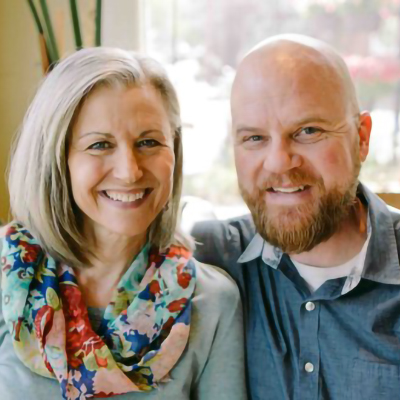
Mike and Kim Anderson
Mike and Kim Anderson are the founders of Mike and Kim Coaching and co-creators of two online courses: Stepfamilies that Work! and Stepfamilies that Make It!. Mike grew up in challenging stepfamily dynamics and then married Kim in 2001, forming their own stepfamily. They have been coaching and supporting step-couples for over a decade. Their personal experience with stepfamily life and professional coaching background uniquely position them to help couples find success even in challenging circumstances. In addition, Mike is a certified Life Coach helping individuals reach their goals in family, work and leadership.
About the Host

Ron Deal
Ron Deal is Director of FamilyLife Blended®️ for FamilyLife®️ and President of Smart Stepfamilies™️. He is a family ministry consultant and conducts marriage and family seminars around the country; he specializes in marriage education and stepfamily enrichment. He is one of the most widely read authors on stepfamily living in the country.
Episode Transcript
FamilyLife Blended®
This content has been generated by an artificial intelligence language model. While we strive for accuracy and quality, please note that the information provided will most likely not be entirely error-free or up-to-date. We recommend independently verifying the content with the originally-released audio. This transcript is provided for your personal use and general information purposes only. References to conferences, resources, or other special promotions may be obsolete. We do not assume any responsibility or liability for the use or interpretation of this content.
Season 8, Episode 180: Tinsel, Tension, Togetherness: Navigating Your Blended Family Christmas
Guests:Mike and Kim Anderson
Air Date: December 29, 2025
Mike (00:00:04):
I’ve been scouring Colossians and Ephesians. I’m looking for that little one where it says, unless they mistreated you.
Kim (00:00:11):
Yeah, where’s the loophole?
Mike (00:00:12):
Unless they were mean to you, unless your stepdaughter says a mean thing to you. I haven’t found that yet. It’s not in there. He says, no, no, no, no. We’re going to live differently. We’re going to put on the new and actually exhibit all of those things that you just listed.
Ron (00:00:34):
Welcome to the FamilyLife Blended podcast. I’m Ron Deal. We help blended families, and those who love them, pursue the relationships that matter most. As this releases, it’s just a few days after Christmas 2025, and I can imagine that you are feeling all kinds of feels, and maybe you just had Christmas with the kids and the extended family, or maybe you’re about to spend some time with them because this is when you can make it happen. Maybe you’re feeling optimistic about some things and maybe you’re feeling a little angst about some other aspects of your family. Maybe you’re feeling grateful to God for sending the Savior, but you’re wondering when you’re going to be saved from all the stressors in your family and your life. Maybe you’re feeling connected and emotionally safe with some people and disconnected and unsafe with others, and maybe, just maybe, you’re feeling all of the above.
(00:01:33):
If so, you are in the right place. You are welcome here. Mike and Kim Anderson are back with us to help us navigate this emotional space and move your family forward. We’ll hear more from them in just a moment.
It was just one year ago about this same time, Nan and I were announcing the release of our book The Mindful Marriage, which is designed for all couples, but I think it’s the most important book I’ve written for blended family couples, specifically because of how it unpacks what sabotages relationships past or present and tells you how to no longer be enslaved to it. Well, the hardback edition instantly became a bestseller last January, and now the soft cover edition is releasing mid-January 2026.
By the way, it is considerably less expensive, so if you’ve been holding off not buying the hardcover, I get it, you can now order the soft cover, and it will ship just as soon as they release it in just a couple of weeks.
(00:02:37):
The book, if you don’t know, is based on the principles of what’s called restoration therapy. Dr. Terry Hargrave and his wife Sharon, they’re the innovators of that model. They co-authored this book with Nan and I. My guests today are trained in that model as well, and they offer virtual coaching to blended family couples around the country. Mike and Kim Anderson equipped blended families through their Blended Family Breakthrough podcast, their virtual coaching sessions and their blending together online community. They formed their blended family in 2001 and have three children and live in the Pacific Northwest. Welcome, Mike and Kim.
Mike (00:03:19):
Thanks so much, Ron. We’re excited to be here.
Kim (00:03:22):
Yes, hello, hello.
Ron (00:03:23):
It’s great to have you guys back. One of the things I love about your story, let me see if I get this straight. You guys attended one of my stepfamily conferences in the Pacific Northwest, started working on your family, getting more and more training over time, and then you began a ministry of your own that’s helping people dig deep and grow their family. Did I get that right?
Mike (00:03:43):
You got in a nutshell. You got that exactly right, and for many years we got to see Ron on a DVD week after week.
Kim (00:03:52):
A very old one.
Mike (00:03:54):
It was awesome.
Ron:
A video that we no longer allow anyone in the world to watch. No, that’s not—
Mike (00:04:01):
I still have a copy.
Ron (00:04:03):
Oh, do you?
Kim (00:04:05):
Yeah, and those jokes are burned in my memory.
Ron (00:04:09):
You can tell them all yourself. I’m sure you could.
Mike (00:04:12):
Absolutely.
Ron (00:04:13):
That was the first, was that, well, actually, I think that was the second edition of what I called The Smart Stepfamily that was based on the book, and now we have a newer version of that. So yeah, every once in a while, I run into somebody who actually prefers the older video over the new series.
Mike (00:04:27):
Yeah, it was The Seven Steps for Stepfamily Success is what it’s called.
Kim (00:04:32):
Yeah, it’s a classic.
Mike (00:04:33):
Yes, good stuff.
Ron (00:04:36):
That is so, so funny. By the way, your story about just going to learn and then becoming people who turn around and help others. I love that story and I, that gets replicated a million times over when people just do what we were just talking about. They share The Smart Stepfamily video series with another couple or get some people together at their church or whatever that is, and you guys are now, you’ve got people who have grown and developed their family through spending their time with you, and then I’m sure you’re seeing the next generation of them paying it forward as well. That does your heart a lot of good, doesn’t it?
Mike:
It sure does.
Kim (00:05:20):
Yeah, and we’re all learning and growing together. That’s the beautiful piece.
Ron (00:05:25):
That is exactly right. We all need each other. I was with a group of people just last weekend at the WinShape Retreat, which is by the way, I try to do once a year, that weekend for couples at the Chick-fil-A family owned WinShape Retreat center north of Atlanta. It’s a great weekend. It’s a fabulous, because you get to rest and reflect and spend time together as a couple in addition to sitting and talking with other couples. And what I noticed, and I’m sure you guys have seen this too, when you get blended family couples in the room with one another, it doesn’t take them long, and they break down the walls and they just start enjoying each other, telling their stories, connecting and recognizing, “Wow, we’re not the only ones that are going through this kind of stuff.”
One night, well, it was Saturday night—Sunday morning, I got up, we have worship together, and then we have our final session—and a number of the couples had stayed up past midnight talking around the fire. They just didn’t want to quit. And I mean, you guys find that with the couples you work with? They just really connect fast.
Kim (00:06:29):
Oh yeah, yeah.
Mike (00:06:29):
Absolutely, it’s amazing. You mentioned our community. Most of our community meetings are online because we’re spread all over the country, and it’s really amazing to just watch. Sometimes Kim and I just get to kind of step back out of the way and allow the participants to talk and share and grow.
Kim (00:06:47):
And encourage each other.
Mike (00:06:48):
And there’s a comradery. Yeah, there’s a comradery and a genuine connection building.
Kim (00:06:52):
Yeah.
Mike (00:06:53):
It’s great.
Ron (00:06:54):
Well, you guys, among other things that you do, the principles behind The Mindful Marriage, you use those to coach couples to a stronger blended family home. What is it about the principles there that you find generally helpful for people?
Mike (00:07:11):
Well, the principles, I think as soon as we start to share a little bit of our story through the lens of the principles that Terry and Sharon have developed here, they start to see themselves in it. There’s an immediate connection of, sometimes I think we get comments, have you guys set up spy cameras in our living room or something because they’re just so relatable, but then also they’re so actionable. We can do something with this. I think those are just a couple of things that I’ve noticed.
Kim (00:07:45):
And we all experience emotional pain. It’s the human experience and when we can just get real about it and talk about what do we do in those moments when the pain hits, and then how can we find healthy ways to move towards a peaceful place so that we can collaborate and work together. I mean, the principles are so impactful and effective, and they just set you on a different trajectory, a better trajectory of resolving issues and working through problems, which we all have.
Ron (00:08:21):
Everybody in the universe gets triggered. Everybody in the universe has a pain cycle, which we can maybe talk a little bit more about if you want, and that’s the part that’s so relatable because everybody goes, “Oh, yeah, that’s me. I do that,” and I do it too. But the empowerment part is that you mean I don’t just have to be this way the rest of my life, I can really get a handle. I could put some self-control into the equation, and I don’t have to react the same way. That’s what’s so freeing and liberating about it, and it’s a very practical plan. It’s not just, yeah, we should do that, but it’s here’s how you do that.
Kim (00:08:56):
Yes.
Mike (00:08:57):
Yes, absolutely.
Kim (00:08:58):
Yeah, exactly. We were just coaching a couple this morning, and one of my ways that I react to emotional pain in the past was to withdraw, to pout. So I spent lots and lots of time alone, depressed, beating myself up in what we called my pity pit and the husband that we were coaching related to that, and they started talking about, “Oh, yeah, that same dynamic happens here.” And my reflection piece was when I think about how much time I wasted stuck in this place of missing out on life and beating myself up, why? If I could have that time back, but once I realized that I don’t have to do this, I don’t have to keep playing out these unhealthy patterns when I’m feeling emotional pain, I can do something different, something life giving, and his face just lit up. He was like, “Oh,” it was such a relief to him that, “Yeah, I want that too.” And then when we kind of looked at his pain points are very similar to my pain points as well, the things that we both experienced.
Ron (00:10:08):
Yeah, I mean that’s empowering. I mean, you’re taking agency over your life, you’re saying, “Yeah, I was in my pity pit,” and I don’t know about you, but when I’ve done that in the past, I just was waiting for somebody to rescue me out of the pit, as if that was up to them, not up to me. I don’t have any role in this. And then you discover, well, no, I can make different choices. I can put myself in a better place where I might encounter somebody that I get to experience and enjoy. I have some agency in this whole thing. And man, is that so empowering.
Kim (00:10:42):
Freeing.
Mike (00:10:42):
Freeing, yeah, definitely.
Ron (00:10:43):
Very liberating. Dr. Hargrave, one of my favorite things that he talks about is we’re all good. Most people are good generally most of the time. And what he means by that is in relationships and in scenarios where we bring ourselves to work environment, just everything, most of the time we have a strong desire to do the right thing, to be kind to other people, to be thoughtful, to be self-giving towards those whom we love, and generally when we’re in a good place, we bring good things. I always remind people; you fell in love for a reason. The reason you’re married is you were both bringing good, pretty much to the equation most of the time, and you saw something attractive in that other person, and you move toward them, and here you are. But yes, you’re good most of the time, but when you’re bad, you’re really bad. I’m really bad. We turn into these people that we later don’t even like or appreciate, or why am I that person? There’s that part of me; I really hate it when that comes out. We all know what those things are about ourselves.
(00:11:51):
Again, in the past we’ve sort of thought, “Well, I don’t know what to do about that,” or “I’ve got an anger,” or “I’ve got a temper problem,” or “I get defensive,” or “Well, it’s just the way it is.” No, no, we don’t have to do it. We have some ability to change how we react in those occasions. When we get bad, we respond in some pretty predictable ways. We call them the big four: blame, shame, control and escape. I’m curious, in your work with people and in your own lives, how do you see blame, shame, control, escape coming out? What are some typical examples maybe of things you see people running into in their blended family as it relates to marriage, co-parenting, raising kids?
Mike (00:12:34):
For me personally, I’m a blamer/controller, and so—
Ron (00:12:39):
Join the club, brother, so am I.
Mike (00:12:39):
—not only does—alright, fist bump, alright. For me, that comes out toward Kim, of course, when we’re in interaction, but often that blame control also comes out with Annika, my stepdaughter. And sometimes the feeling might be different, but man, if we just think about those four, blame, shame, control and escape, I’ve just got to own the fact that, yeah, I’m a blamer/controller. Sometimes that comes out in anger and finger pointing. Sometimes that comes out in over-functioning. Everybody out of my way, this is what we’re going to do. I got the prescription of just step one, step two, step three, everybody get in line, and it usually doesn’t go very well for me.
Ron:
Yeah, isn’t that funny? Other people don’t like our control. I can’t imagine.
Mike:
When you have the answer, why wouldn’t they just respond?
Ron (00:13:26):
Exactly. It’s not like you just came up with a , you put thought into this.
Mike (00:13:30):
Sure,
Ron (00:13:31):
You’ve analyzed it, you’ve broken it down.
Mike:
Absolutely.
Ron:
That’s me, man.
Mike (00:13:35):
And it only took me 15 seconds.
Kim (00:13:35):
And now you’ve jumped in your bulldozer and you’re bulldozing everyone else over with it.
Ron (00:13:43):
Oh, that’s irrelevant. We still have the right answer.
Mike:
That’s right. That’s right.
Kim (00:13:50):
And for me, my go-tos are shame and escape and like I just shared my withdraw to pout. That’s a combo. That’s an escape and shame cope that I’ve developed over the years. And so that sometimes comes out in feelings of inadequacy, feeling insecure, especially around parenting. Sometimes I feel paralyzed. I don’t know what to do. I’m not capable of handling this. I’m out of control. All kinds of anxiety sometimes, comes up around parenting, guilt, fear, of course are big ones, especially when it comes to parenting a child that’s hurting and struggling. A lot of our insecurities come up.
Mike:
Definitely.
Kim:
And of course in our relationship as well.
Ron (00:14:55):
What I want our listeners and viewers to recognize is, yeah, you can figure out blame, shame, control, escape. You do one or all four or some combination of them. Everybody on the planet does this. This is not like you’re bad because you do. No, this is reactivity. There’s a neurological process that’s happening behind it. The point is we all do it, and knowing your pattern, your go-tos is really helpful. And the bad news is we all have strained relationships with a number of people. It could be kids, it could be a former spouse, it could be a mother-in-law, it could be whatever the combination is. The good news is once you sort of know what your reactivity looks like, you’re pretty consistent with whomever you’re dealing with. For me, blame control is stuff that comes out. Doesn’t matter who it is. It could be siblings, could be children, could be my work world. It could be with Nan. I’m pretty consistent with who I am and how I am.
(00:15:59):
And sometimes there’s a nuance to that, but by and large, we’re pretty much the same. So when you get in charge of this, when you know to do with this is a better way of saying it, you know what to do and you’re empowered in all of your relationships, in all of those contexts. It’s not like it just works in one relationship. It really is something that’s pervasive. And here we are.
So I want to go back to a couple of things you guys said. So Kim, you just mentioned children getting paralyzed as a mom, perhaps with your former spouse. So what does that look like when that maybe paralyzed or intimidated or retreating part of you—what does that come out? Maybe you can give us an example where you get paralyzed or an example where you do the pity party shame thing as it relates to your ex, for example.
Kim (00:16:51):
Well, as it relates to my ex, often I would feel bullied or powerless or inferior, those kinds of feelings. And often I would abdicate just to appease. I don’t want to deal with this and so I just give in, I lose my voice and I just do it to appease and make the peace. But then later I feel very resentful and angry that my voice wasn’t heard and I was devalued. Sometimes it turns into a shame response. Oh, I guess he’s the superior parent. I guess he’s right. This is all my fault, and I’ll shame myself and believe the lies. They’re lies that are coming at me and sometimes I will believe those. And I’ve made some very poor decisions in my co-parenting relationship in the past when I responded in that way in all of those ways. So it comes out in me losing myself, I would say, losing my footing, losing myself.
Ron (00:17:58):
And that always has implications for other relationships. So for example, how you deal with the ex and getting paralyzed and losing your voice, for example, surely has some implications for your relationship with your daughter, your relationship with your husband. He’s kind of on the receiving end of that. Yes. Is that how that works?
Mike (00:18:20):
Absolutely. Absolutely, yeah. Especially if there’s a sense that there’s like a decision made without some partnership here, then I’m feeling dismissed, excluded. I’m feeling—
Kim (00:18:36):
Now you have to live with it
Mike (00:18:37):
—unloved at times and I just have to live with this. And so guess what? I react to that as well.
Kim (00:18:45):
And round and round we go.
Mike (00:18:46):
Usually blame, yeah. This is your fault I feel this way.
Ron (00:18:50):
So I mean one person gets triggered and reacts the way you do, and that often triggers the other person who then reacts the way they do. So each of you has your individual pain cycle. What we’ve just talked about is Kim’s pain cycle, and then it triggers his pain cycle and then he’s triggering her pain cycle. That’s what we call the couple pain cycle. And we all do this. I tell people all the time, Nan and I still get triggered, different circumstances. It’s not always something she does, sometimes it’s what life does and triggers happen, and I don’t think they’re ever going to stop this side of heaven, but what I do with it is entirely up to me.
Kim:
Exactly.
Ron:
That’s the thing that we’re trying to learn how to get a grip on. Our book and your coaching really essentially tries to help people understand what’s going on within themselves and how they get caught in these cycles and what they can do about it. The blame, shame, control stuff, often it’s the big emotions that really set that off in us. Things like fear. You guys have mentioned some of these, feeling isolated or powerless or rejected. Fear about another breakup, worry about your kid’s emotional health and how they’re doing. How do you guys systematically, how do you help parents wrestle with those big emotions and try to take them somewhere else?
Mike (00:20:15):
One of the things is just being able to examine and name it. So from a process standpoint for us, when we’re coaching couples, we often tell our story first and we share this pain cycle idea. Here’s our pains, here’s our copes, and then we invite them to start to reflect on theirs as well. And we do that through story a lot of the time.
Kim (00:20:39):
And we find that couples are wanting to be known, they want to talk about this stuff, they want to be heard. And so often it’s not hard to help couples map out their pain cycle and then when they see it in black and white, whoa, this is exactly what happens. This happened last night when we had that disagreement and they see it in black and white. It’s just, you see the light bulb moment of, oh, here it is, and it’s amazing. We don’t have to unconsciously stumble into this and stay stuck in this for days anymore. And now we’ve shed some light on what’s actually happening.
Mike (00:21:23):
I think it’s amazing the comment Kim just made that we so want to be known. We had an example of this just last night. We were teaching the concept in a class at a local church. We had 19 couples, and after we asked individuals to just take a little bit of time to reflect on these pains and these copes, then we asked them to take a few minutes to reflect on a simple question of when was the first time in your life you remember feeling that pain and you got 40 people in the room roughly? Then I just asked for people to share. Honestly, I was shocked at the level of vulnerability in a mid-sized group of how people were sharing some really painful—
Kim (00:22:12):
Painful memories.
Mike (00:22:13):
—stories about their past and what an honor it was to just sit in that with them. And then on the drive home last night, Kim made the comment, “Boy, people really want to be known, don’t they?” Because that’s a vulnerable spot to be.
Kim (00:22:27):
And none of them had any trouble thinking of them. They just came up. Here’s the story, here it is. And even simple, tiny little moments, a comment made, they can recall, it’s right there because connected to that painful feeling that they experience still today.
Mike (00:22:44):
Yeah. So there’s power just in examining this piece because there’s some freedom in that of “Oh yeah, I do feel that,” and “Yeah, okay. I can own the fact that that’s how I react,” right. There’s power in that.
Ron (00:22:57):
I think you’re exactly right. Every one of those in the exercise that people do in the book, they’re going to circle a number of pains that they experience when they feel like their relationship is off or they’re anxious or worried about something happening or they’re in conflict, what do you feel? And you circle all these words. Every one of those words has a story behind it.
Kim:
Yes.
Ron:
Unloved, wow, that’s a big word. What is that—unimportant or I feel neglected or, yeah, okay, tell me about that. And then as you said, what’s behind it? When do you remember the first time feeling that? Well, it’s when I was four. It was when I was 12 or whatever. There’s a painful something connected to that. And we now know the brain really holds on to negative stuff. I don’t know why, but it holds it twice as intensely as positive things. And so there’s an emotion connected to that, an experience connected to that. And boy, people can retrieve it quickly, as you said, and want to share. They want to be seen. We want to be, I mean, intimacy is not just being seen by somebody who’s important to you, but having them see all of you—good, bad, and the ugly.
(00:24:10):
And they still choose to love and be in relationship with you. That’s when you have something special. And most of us walk around going, there’s this thing about me you don’t know. I haven’t quite fully told you, or you haven’t quite fully acknowledged it, and so I’m not really sure how much I can trust you until I know you love me, even when you know that about me. And I think it’s a really interesting observation you’re making about even in groups, people are pretty quick to open up and share that part. You’re right. It’s important that we see that pain and see it for ourselves, even with somebody else’s eyes.
Mike (00:24:54):
Right. Because we’re in it together. Like you said, everybody in the universe has this thing.
Kim (00:24:59):
Yeah.
Ron (00:25:00):
And what we’re saying, audience, viewers and listeners, is it’s not just a story about something that happened when you were six that you’ve sort of held onto. What happens internally is how that pain gets associated with a certain way of coping, and your brain actually creates a little pathway to make that really efficient. So, oh, you feel unloved. Here’s what you do with it. Blame shame, control or escape or all four or two of them or something. This is how you try to manage that. Not that necessarily makes sense. It’s more of a reflex sort of mechanism as opposed to a well thought out plan for how to deal with that unloved moment. It’s more of a, no, I’m just going to blame you, so I don’t feel unloved. I’m going to make this about you. I’m going to push it off, or I’m going to escape into something that helps me not have to deal with the pain of feeling of unloved, or I’m going to control me and make me work so good you have to love me. That’s the control piece that’s in there. I mean, there’s lots of different ways we react. What we’re trying to do is get rid of that pain. That’s why these patterns get stuck in us because we just get familiar with them.
Kim (00:26:10):
And unfortunately, the ways that we try to get rid of the pain really don’t work, although we think they’re going to work, but they don’t. We coached a couple who have been married over 50 years. They came to us for help and they wanted to learn this, and so they were in their late seventies. Yeah, early eighties. And the husband, one of his pain points is a feeling that he’s a failure. And when he described where that first came from, he went back and we’re talking decades in his memory of being a young boy overhearing a comment his mom made and comparing him to his sister saying, “Oh, she’s going to do well. She’s a smart one. She’s going to do great. But yeah, I don’t know how he’s going to do. He’s not very bright.”
And he overheard this comment. It wasn’t even said directly to him, and he has spent his whole life trying to prove himself to everyone, and he has to be the smartest person in the room everywhere he goes. And he has to kind of bulldoze his way in and prove how intelligent he is and that he has all the answers. He realizes he’s being annoying. And of course his wife has said, “This is really not good behavior,” but something in him has to alleviate that pain that, “Hey, mom thinks that I was the dumb one. Mom thinks that I was the one that wasn’t going to make it and I’m going to prove her wrong.”
So even when he is not around his mom or hasn’t been around his mom for months, he’s still walking in proving himself everywhere he goes, and this little exercise of helping him determine where did that come from was just so such a breakthrough for him to go, why do I do this? Why can’t I just relax and have a conversation and listen to others and not have to push, improve myself?
Ron (00:28:18):
And once the neurological ruts are created, the pathway to that same reactivity happening, no matter where he goes, no matter what the situation is or who’s in the room is just automatic. It’s just sort of there.
Kim (00:28:33):
Decades, it’s been happening.
Ron (00:28:35):
And so let’s just keep using that example as a working example because once you know the why—Why am I this way? What is going on? What’s the mechanism behind this?—that does not mean you can change the future. I mean, the good news and bad news about this is that a lot of psychotherapy and a lot of books that are written from a Christian point of view spend a lot of time helping people understand their whys, but it doesn’t tell them what to do with it. We teach a peace cycle, which is there’s four steps put all together, steps one and two are about your pain and steps three and four about what you’re moving toward peace, that you want to become. And that involves people saying, getting regulated by some truth about themselves or about the safety of their climate that helps them to step away from the past and into this present that they’re trying to create. You guys mind, just talk around that a little bit, maybe even with this person, how do you move them out of it?
Mike (00:29:43):
Yeah. I think it’s really interesting in this particular case that we’re talking about. You just mentioned the why, what is behind this? But I think about also then what is more true? We get focused on this, I feel like a failure because mom made this comment about me all these decades ago, and yet, here’s a gentleman who has created a lot of success. He’s had a wonderful career. He does have a lovely marriage. He’s done all kinds of these other things.
Kim (00:30:17):
Raised lovely children.
Mike (00:30:17):
Maybe from the pain of trying to prove things, but yet we’re not looking at the full evidence of, oh, wait, maybe he’s not a failure. Maybe the truth about him is that he’s adequate or that he’s capable.
Kim (00:30:35):
He brings value.
Mike (00:30:36):
Or that he brings value or maybe that he’s loved. And that’s a big piece of what you’re talking about here, Ron, is this peace cycle. One of the first steps in figuring that out is what’s the full truth about this?
Ron (00:30:51):
So many people sort of objectively know that about themselves. If you ask somebody, “Well, what would God say about you? What would your best friend say about?” Would they say, “Boy, he’s an idiot. He can’t do anything”? Well, no. Those people would say, “Well, he’s very competent, very capable.”
(00:31:10):
They would probably give you a compliment and there’s the full truth about you, but in those moments, you feel like you got to prove yourself. So this is the way you go about doing it.
So what we’re talking about in step three is starting to get regulated to tell yourself the truth about you, not that you’re perfect, not that you’re capable and competent to every task on the planet. No, that’s not the point. But that you generally bring an overall sense of competence. This speaks to your identity, your sense of yourself, and or your sense of whether you’re emotionally safe in your context, in your climate. So when will you start saying to yourself, “Now, wait a minute, I am capable. I am competent. And that’s the truth.”
Mike:
Absolutely.
Ron:
Then it begins to shift you out of being reactive out of pain and instead, responding out of something that is objectively right and true about you.
Kim (00:32:05):
Exactly.
Mike (00:32:07):
Absolutely.
Kim (00:32:07):
Yeah, and you’ve got to work at that. You’ve got to gather evidence of why that’s true about you. So often we help couples the same thing. You’ve got your pain story, which we talk about, but we need to talk about this truth story, this peace story as well, that’s just as important. Why is it true that you’re capable and competent? Why is it true that you are significant, that you’re full of worth? And we ask them to tap into those memories. And the interesting thing is it’s harder. It’s harder.
Ron (00:32:45):
Isn’t that funny?
Kim:
Yeah.
Ron:
I would say funny, but it’s really sad that we have a harder time remembering good things about ourselves rather than really negative.
Kim (00:32:56):
It’s so sad. We spend so much time in our pain.
Mike (00:33:01):
If I personalize it a little bit, a pain that sometimes comes in for me, if I think about my relationship with my stepdaughter, Annika, in The Mindful Marriage, you talk about marriage, but then you said a little while ago, one of the ways we phrased what you shared a bit ago, Ron, is this isn’t just a tool for marriage, it’s a tool for life.
(00:33:22):
You said it works in relationships with work and kids and exes and all of that. Well, if I think about Annika, who I’ve been her stepdad now for over 24 years, and man, I’ve felt some deep pain. I felt rejected by her. I felt disrespected by her. I felt a lot of strong things, and much of that pain taps back into what I felt as a child growing up in a blended family where there was a lot of abuse. But I also have these other experiences with Annika. I have these very sweet moments of conversation where the truth about me is she loves me, and I got a whole ton of evidence. In fact, if we could somehow pile up the minutes on a scale, I’d be willing to bet that those loving moments probably outweigh the disrespectful, rejecting moments if we were really to line it up minute by minute. And so I have evidence of that in her life but yet the truth is even broader than that. Because the truth is what’s true about me, not just about my interaction with Annika in this very moment.
(00:34:39):
I know that Kim loves me. Oh, that means I’m loved. I know that God loves me. Oh, that means I’m loved. I’ve got some mentors in my life that have spent a couple of decades just building into me. They love me. Oh, that means I’m loved. So while it’s true, I’ve got evidence in the one relationship, I also have evidence around the relationship and it’s like, wow, look at the pile of evidence I have that is much more true than I’m unloved or rejected or whatnot. Sure there’s something happening in the moment, but man, if I can stay centered on what’s actually true about me, then that’s a huge step in getting myself regulated.
Kim (00:35:26):
And if I could add kind of another layer to that, is we can also understand what’s happening for the child. The truth is she’s struggling with a loyalty bind, and it’s hard for her to draw close to Mike sometimes if she feels like her dad’s going to be upset with that.
Mike (00:35:43):
Right.
Kim (00:35:44):
Sometimes we have to understand, put ourselves in their shoes and understand their pain cycle as well in those moments.
Mike (00:35:50):
That’s right.
Kim (00:35:51):
And that can be really powerful.
Mike (00:35:53):
Absolutely.
Ron (00:36:02):
Let’s just get in step four for those that are unfamiliar. Step four is, okay, there’s this regulating truth that I’m sort of grounding myself in. What do I do with it? That’s step four. Here’s what I’m going to do differently based on that truth. This is where the rubber meets the road. I mean, I think there’s so many things that we know are true about God, the universe, and how life works. And we walk out of church every Sunday going God is good all the time, all the time God is— But that didn’t translate into real life stuff unless we move ourselves in a new direction that says, “Okay, if it’s true that I’m loved,”—as Mike was just saying by these different people, and even by Annika—“even when I feel rejected, there’s a truth that there’s a part of her that loves me, so what do I need to do as a person who can stand on his own two feet, that doesn’t have to wait around for Annika to love me, for me to be able to respond in this moment?” What would somebody who is governed by the will of God and what by what is true, what would I do in this moment? And all of a sudden what the other person’s doing sort of becomes less important? And what’s more important is the agency you’re taking to put on love, joy, peace, patience, kindness, goodness, faithfulness, to put on kindness, to put on gentleness, to put on thoughtfulness.
(00:37:27):
And then you’re moving in a direction that is bound to bring something better to the equation of the moment. That’s so hard. I mean, it’s kind of hard to identify it. That’s why we spend so much time helping people unpack what that new thing is, but then to do it means I got to push myself in this direction, even when I don’t necessarily feel it.
Mike (00:37:52):
Absolutely, especially when I don’t necessarily feel it.
Kim (00:37:54):
Yeah, it’s very challenging, but it is doable.
Mike (00:37:57):
For sure. The Apostle Paul talks about taking off the old and putting on the new, and I, I’ve been scouring Colossians and Ephesians. I’m looking for that little one where it says, unless they mistreated you,—
Kim (00:38:11):
Where’s the loophole?
Mike (00:38:12):
—unless they were mean to you, unless your stepdaughter says a mean thing to you. I haven’t found that yet. It’s not in there. He says, no, no, no, no. We’re going to live differently. We’re going to put on the new and actually exhibit all of those things that you just listed. I think about a moment with Annika where it was just a really, really tough moment. She was a teenager, and my pain cycle went out the window. I was in blame anger mode, and I can still picture her on the sidewalk out front, and me just slamming the door so hard that it bounced back. It didn’t even latch. It just bounced back. And I’m embarrassed by that. That is not how I want to respond. What would’ve happened if I could have centered on the truth about who I was as an individual as opposed to just staying hyper focused on what I was feeling about the other person’s behavior? Would I have been able to walk out to the sidewalk and be able to say, “Honey, this is really hard and we need to have a conversation about this,” how much better would that have been.
Kim (00:39:20):
And be calm.
Mike (00:39:21):
And so when I can own that I’m loved, then I have a much better chance of putting on the new and being able to respond now out of anger, but out of some sort of nurture or some sort of compassion.
Ron (00:39:35):
So let me push back and be flesh because my flesh says, “But I’m entitled when you mistreat me. When you do something I don’t like, I’m entitled to slam the door because you got to know how bad you’ve hurt me. You got to know that you’re doing something wrong. I need to call attention to what you’re doing so I’m going to do something with anger, and that’s going to prove to you that you need to change.” As I’m saying this out loud, I’m going, “How ridiculous is that?” But that is exactly what we slip into in those moments unless we choose to be somebody different.
Mike (00:40:15):
Absolutely. It’s like thinking that me slamming the door that hard is going to get Annika to come back and be like, “Oh, gee, Mike, I’m so sorry.”
Kim (00:40:23):
Can we work this out? Yeah.
Mike (00:40:25):
And doesn’t Jesus ask us to raise the bar?
Ron:
Absolutely.
Mike:
You’ve heard it said an eye for an eye, but I tell you, even if you’re angry with your brother, you’ve already committed murder or yeah, the murder part. You know what I mean? He’s constantly saying, no, no, no, no. As people who want to walk in His Spirit, this is how we’re going to choose to live. And by the way, we can’t do that unless we’re centered on what’s true, centered on the truth.
Kim (00:40:53):
And sometimes it is the truth, God’s truth, that is centering for people. With my daughter Annika, she’s gone through some really significant challenging seasons with her behavior, and there were times when I was fearful and I felt powerless, and I would react with panic, and I’d get overly directive and just kind of freak out on her. But when I was able to align with the truth that, wait, wait, wait. I know God loves her. I know He has a plan for her, and I know He will protect her. He’s trustworthy. He’s faithful, and that helps to ease my panic and my powerlessness. Okay, God’s with me. He’s working in her life. He’s a good, perfect Father. Then I can choose instead of panicking and getting directive and controlling and freaking, now, when I’m landed on that truth, I can choose to be patient and trust. Trust in God’s timing. He has the plan. I can’t force it. I have no control here, but He is in control and then I can be patient with her. I can show up differently, and that draws her towards me. It doesn’t put up the walls against me.
Ron (00:42:24):
And you’re doing away with your own anxiety too, so you’re less anxious, and so you’re more of a softer presence. What does that look like for you to show up softer and be more patient? I mean, just in terms of from the outside, what would we see different about you?
Kim (00:42:41):
Be more engaged. When I’m feeling overwhelmed and panic, often I shut down and withdraw. I don’t want to deal with it. I don’t know what to do, but if I can manage my own pain, I can stay engaged and I can be available and I can be approachable. “I’m here for you. I love you no matter what, and I’m here for you.” Instead of, “Hey, wait, this is not”— sort of demeaning and shaming.
Mike (00:43:09):
Can I add to that? One of the things I see in you in those moments when you’re regulated is yes, you stay engaged, but you’re also really thoughtful about the questions that you ask her to invite her to her own reflection as opposed to, you just need to do this and this.
Kim (00:43:26):
Yeah, yeah. I can bring value. I can share bits of my own story and bring value in a way that she can accept. But when I show up, panicked, stricken and just bouncing off walls and trying to fix and control, and you need to. And why don’t you? And how come you haven’t?
Ron (00:43:45):
Yes.
Kim (00:43:46):
I’m not helping anyone.
Ron (00:43:49):
That is so, so good, guys. Thank you for sharing those examples. Kim, last year at Blended and Blessed, you guys were both on stage with us and we spent some time talking about some of these things during that event. I remember you telling me that you kind of had a pain cycle mapped out for your ex-husband. You had a pain cycle mapped out with children and parenting as it relates to stuff. Is that the same pain piece cycle or was there something nuanced? How did you develop those?
Kim (00:44:18):
It’s definitely nuanced for each person. I experience different pains with different relationships. I have one for my family of origin as well.
Ron (00:44:27):
Okay.
Kim (00:44:29):
Yes, it’s very helpful.
Mike (00:44:31):
She actually has two for me, Ron. We’re married.
Ron:
Because you’re an overachiever.
Mike:
Well, yeah, maybe so.
Kim (00:44:38):
There’s that.
Mike (00:44:38):
She’s got one for our marriage, but then she has one for our working relationship because we work together now. I tap different pains for her when we’re working then I do when we’re just doing life together.
Kim (00:44:49):
Yeah, his control in our work relationship—
Mike (00:44:52):
Oh, it’s even better in that relationship.
Kim (00:44:52):
—turns to micromanagement.
Mike (00:44:55):
I can ratchet it up at work. It’s awesome.
Ron:
It’s on steroids. Yeah, yeah, yeah, yeah, that’s good.
Kim (00:45:01):
But yeah, there are nuances because the feelings are different. Even with all three of my children, I have different emotions that come out because we relate in different ways because our personalities are all different. For instance, we have our mutual daughter, Phoebe. She is a verbal processor, and she talks and talks and talks and talks and talks, and that’s great when she’s talking to Mike because he is also a verbal processor and an extrovert. I am not. I get overwhelmed. I get overloaded. I want to hear what she’s saying. I want to intake it all—
Ron (00:45:40):
But you need it in bites.
Kim (00:45:41):
I get to a point where I just can’t. But she keeps going. And I mean, she will literally yak my ear off for an hour and not take a breath. I don’t know how she does it.
Ron (00:45:52):
You’re like, “What’s the point? Where are we going?”
Kim (00:45:56):
Yeah, and it’s the simplest thing and the cope around that if I had in the past is just to kind of check out or I just let her keep going, but I’m just really not tracking and then later—
Mike:
And not engaged.
Kim:
Yeah, not engaged. And then later I feel really bad about that. I’m like, I’m so blessed that she wants to share with me and share. I mean, even as an adult, she will do this and it’s such a blessing, and yet I just check out on her because it becomes overwhelming. The truth around this is that I’ve got what it takes to hang in there. Yeah, I’ve got some limitations, but I also have got what it takes to figure out how to stay engaged with her. I don’t have to just give up and check out. And so I’ve developed, sometimes your action is developing a new skill. What do I need to develop in myself so that I don’t go into this cope? And the skill that I’ve developed with Phoebe is to think about questions I can ask. So as she’s talking, talking, talking, I’ll think, well, what question can I ask her that’s interesting? And then I’ll actually write it down on a notebook because she’ll be off into something else.
(00:47:10):
And then as soon as she takes a breath, I’ll say, “Hey, can I ask a question about that?” And that keeps me engaged because I’m looking for ways to interject and to stay in there, and it keeps me open.
Ron (00:47:24):
Guys, this is so important. I want to make sure our listeners and viewers understand that learning how to manage yourself is not just meaning that you have to end up sucking it up and being really patient while somebody rambles for five hours. And no taking agency could mean, it might mean
(00:47:42):
That you learn how to say, I really want to know what you’re saying. I want to hear you out. I’ve got 10 minutes. So it would do us both some good if you could get to the really important stuff in the beginning. But the point is you’re asking in a way that’s gentle, that’s kind, that’s more palatable. That’s a part of the new self. Whereas I know for me, when I would get frustrated with a circumstance, I would just go, “What? Skip to the end,” and then I was harsh. And that of course that immediately would shut Nan down because clearly and rightfully so, she feels dismissed because I am dismissing her and I’m expecting her to be okay with it. No, if I’m going to ask for something to try to help shape this, I got to put on a whole lot of gentleness and kindness about how I deliver that message. So sometimes agency is asking for something you need but doing it in a way that is loving and respectful towards the other person.
Kim (00:48:41):
Yes. Yes.
Mike (00:48:43):
Yeah, Kim does that with me more than she does that with Annika.
Kim (00:48:45):
Yeah, because Mike is a verbal processor as well. Yeah. And I’ve done similar to what I’ll say, “I want to hear what you have to share.”
Mike (00:48:53):
Right.
Kim (00:48:54):
“I am at a point where I’ve tapped out. I’m not going to retain”—
Ron (00:48:57):
There you go.
Kim (00:48:57):
—”much more”—
Ron (00:48:58):
You’re owning your part of it.
Kim (00:49:00):
—”so if you want to keep talking, that’s fine. I just know that I’m probably not going to retain it. If it’s important. Can we wait? When would be a good time for us to pick this conversation up so that I can be engaged?”
Mike:
Exactly.
Kim:
I just let him know.
Ron (00:49:22):
Oh, you brought up kids and I wanted to come back to that. Let’s not forget. So let’s just talk around that as a parent. You’re dealing with a child, stepchild, kind of doesn’t matter, but clearly there’s a lot of emotion going on inside of them. And maybe what you’re seeing on the outside is something you don’t like, disrespect, could be feel like rejection for a stepparent in particular, could feel like just flat out disobedience or I’m dismissing your values, Mom, Dad, and I don’t care what you think. Those kinds of moments are really hard on all of us because we want such good things for our kids and we have learned a few things and we’re not as dumb as they think, and we actually have something to offer. Man, the discipline in that moment of letting go of rejection or whatever it is that you’re feeling from the child, trying to look behind what’s happening with their words or their actions to, what does this tell me about their pain? Do you guys mind talking around that for a minute?
Kim (00:50:25):
I will use a Christmas example if that’s okay, Ron.
Ron (00:50:29):
Great timing, good job.
Kim (00:50:30):
Lots of pain points around any holiday for a blended family, right? There’s no shortage of that. Special occasions are tough, but one of the hard things for kids that move between two homes is they’ve got to celebrate duplicate holidays, celebrations, which can be a bonus for some kids.
(00:50:48):
And it can also stir up a lot of mixed emotions. So in our scheduling of Annika moving between homes often it was one of us would get her Christmas Eve, Christmas morning, and then the other one, we get her the rest of Christmas, the rest of the day. So there was one year that Annika was due to arrive to our house around 11ish on Christmas Day. So she was with her dad Christmas Eve, Christmas morning, and then we were anxiously awaiting her arrival. We’ve got two younger kids that are excited to celebrate Christmas, and we’ve got all these plans, and the hype is there and we can’t wait for Annika. We’re all huddled at the window waiting for her dad to pull up and she arrives and we can’t wait to start all these great things that we have. And she’s in a really bad mood. She’s just cranky and irritable and doesn’t really care about what we have planned and just kind of poo-poos the whole thing. And for me, the emotion is I’m feeling unappreciated. We’re doing all of this. We’ve waited all day, and you’re finally here and now you don’t even care.
Ron (00:52:03):
You see your other two kids, they’re disappointed, see it on their face.
Mike:
Exactly.
Kim (00:52:10):
And my hope on that would be to push my agenda. Come on, we’ve got things to do. Everyone’s been waiting. Let’s do it. Come on.
Ron (00:52:18):
Pull out your happy and let’s go.
Kim (00:52:20):
Yeah, slap on that happy face and let’s do it. It’s Christmas. How dare you be gloomy and grumpy on Christmas.
Ron:
That’s right.
Kim:
What kind of child are you?
Ron (00:52:30):
The Savior has come, get over it.
Kim (00:52:35):
But if I’m able to get to a truth, find a truth in that moment, something such as, you know what? It’s normal for kids to have mixed emotions as they move between two homes. This is a normal thing. Instead of pushing an agenda and feeling unappreciated and acting out and getting impatient, how can I just take a few moments to take her aside and connect with her and find out what’s going on and be patient? “Hey, how has your time at your dad’s? Tell me about how your day’s been so far.” “Well, it was great. I got all kinds of fun stuff, and we were playing games and having so much fun with our new presents.” She has three siblings in the other home as well, three half siblings. “We were having so much fun and then it all ended,” because she had to come over here. She was excited about coming to our house and seeing us and at the same time she was sad because her three siblings in the other home were in tears when she left because I wanted to hang out and continue the fun, and she got yanked out of there, and now she’s supposed to come over here and slap on a happy face.
(00:53:56):
But just stopping and listening and hearing her out and then giving her some space, “Hey, let’s just hang out and have some cocoa,” and giving her that adjustment time makes a huge difference.
Mike (00:54:12):
And isn’t it true that in that moment, honey, you pausing—and we had to be kind of agreed on this—because I’m over with the other two trying to hold bridle. I’m like, “Okay, hold on, slow down.” But you entering into the pain with her, helping her to acknowledge what she was feeling underneath and maybe even in a different sort of way—we didn’t have this tool back then, but in a different sort of way, being able to help her see how that was impacting her, and then just relaxing a little bit and trying to focus a little bit more on the truth. “Yeah, you know what, honey, it’s okay that you feel that way.”
Kim (00:54:53):
Yeah.
Mike (00:54:53):
And this is hard, isn’t it?
Kim (00:54:55):
Yeah, you need some time.
Mike (00:54:56):
Bringing some acknowledgement and helping her work through the emotion because right in that moment, she’s in a pain cycle too, and walking her through that and eventually after there was a little bit of time, a little bit of cocoa, a little bit of relaxing, she emerged and we had a great afternoon and evening. It was wonderful.
Kim (00:55:15):
And I felt like a effective, competent, loving parent instead of a unappreciated pushing agenda parent.
Ron (00:55:27):
Wow, what a great story, what a good example, and what a challenging endeavor to manage ourselves better when in the midst of great disappointment and you see it on the faces of your other kids and it just hasn’t worked out the way you wanted it to. I’m thinking of people right now listening, going, “Yeah, my family is—in general is not where I want it to be. Some things are going well, but there’s a lot of things that are real struggles for us.”
Mike (00:55:59):
Absolutely.
Ron (00:56:00):
That’s really difficult to maintain yourself, to zero in on what you can manage about you and what you bring to the table, and trust that that moves the family in a better direction. I would suggest that self-control in moments like that is a form of crock potting because you’re bringing a soft, gentle warmth to the circumstance as opposed to high heat, trying to pressure, trying to move somebody to get to happiness so we can all be happy, but no, going, “Nope. What I can manage is how I respond to this child in this moment, and I’m going to try to see them focus on their pain a little bit, and I’m going to breathe and not let it ruin me and this day.”
Kim:
Yes.
Ron:
And at the end of the day, I think the whole family wins. Even if you lost that moment, so to speak, at the end of the day, you gain something on behalf of the whole family.
Kim (00:56:56):
Yeah.
Mike:
Sure.
Ron (00:56:57):
Mike, Kim, thank you. Thank you for what you do. Thanks for coaching and being available to people. They can look you up. You’re on my list of providers across the country that have gone through our Smart Stepfamily therapy training. Thank you for doing that. I refer people to you all the time. I appreciate your investment in blended families locally and around the country. Thank you for equipping yourself and all that you offer to those, and thanks for being with me today on FamilyLife Blended.
Kim:
Yes.
Mike (00:57:26):
Absolutely, it’s a pleasure. Thank you so much, Ron. You’ve been such an encourager for us over the years and we’re very, very grateful.
Kim (00:57:32):
Yes. Thank you for investing in us and equipping us as well.
Mike (00:57:36):
That’s right.
Kim (00:57:37):
So appreciative.
Ron (00:57:39):
Glad to do it. Well, to our viewers and listeners, thank you for being with us today. If you want to learn more about Mike and Kim, you can look in the show notes. We’ve got a link there.
Becoming a better steward of our pain is really all about decreasing the hurtful things that we do to one another and increasing the amount of love and emotional safety in our homes. At the end of the day, intimacy and marriage deepens when I manage my pain better, when I help children experience a healthy home and the blend, I think gets better for everybody, as I said a minute ago, and you increasingly become family to one another. What kind of progress have you seen with some of your situation in this last year? I just would ask all of you to reflect on where your family has come, where the Lord has brought you. The new year is just around the corner.
(00:58:32):
There’s more growth in the future available to you. Our desire here at FamilyLife Blended is to see your family renewed and refreshed with life-giving principles that don’t offer a quick fix, but substantial change to your character and to the foundations of your home over time. This is the stuff that transforms all of us. It’s not a quick fix. It takes an investment. That’s the purpose behind The Mindful Marriage, that resource and other things that we do. Our entire ministry, that’s really what it’s about. It’s a new year and it’s a good time for you perhaps to renew you and your us as a family. We would love to serve you in any way that we can.
FamilyLife Blended is a donor supported ministry and it’s not too late, by the way. I know right at the end of December, if you’re listening to this when it first comes out, you can make a year-end gift to FamilyLife that will be doubled through generous donors who are offering a matching gift.
(00:59:31):
Check the show notes out if you would like to contribute to our ministry. We would certainly appreciate that.
If you haven’t subscribed to this podcast yet, please do so. You can subscribe to your audio podcast version or the video version on YouTube. Next time, I’m going to be talking with a friend, Wynand Jacobs, who is the Director of FamilyLife New Zealand. Some of you know that Nan and I did a Mindful Marriage speaking tour in New Zealand this past September with Wynand. We traveled around city to city, spending quite a bit of time with him. He’s a wonderful man. He has got some valuable things to share with you. That’s next time on FamilyLife Blended.
I’m Ron Deal. Thanks for listening or watching. And thank you to our production team and donors who make this podcast possible.
FamilyLife Blended is part of the FamilyLife Podcast Network. Helping you pursue the relationships that matter most.
We are so happy to provide these transcripts to you. However, there is a cost to produce them for our website. If you’ve benefited from the broadcast transcripts, would you consider donating today to help defray the costs?
Copyright © 2025 FamilyLife. All rights reserved.
www.FamilyLife.com