

195: Stepmom Advice: 10 Things I Would Do Over as a Stepmother
Blending a family isn’t a Hallmark montage. It’s a minefield of hurt feelings, mixed loyalties, and second-guessing…everything. Debbie Alsdorf shares hard-won “do-overs” from 36 years as a stepmom—what she got wrong, what she’d never repeat, and what actually helped a fractured family slowly become one. From Debbie’s book, Beyond the Brady Bunch, this stepmom advice skips fantasy and deals with real life.


Show Notes
About the Guest
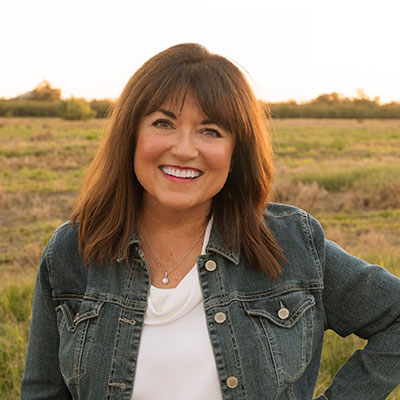
Debbie Alsdorf
Debbie Alsdorf’s greatest joy is encouraging others. She has a mission— to help women live a better story and she does this by leading women to the heart of God’s love for them and the truth of His word. She does this through her writing, speaking, teaching, and life-coaching. She has been a women’s ministry leader for over 30 years working with women in all stages of life. She is an author, international speaker, mentor, certified life coach, non-fiction writing coach and literary agent with the Books and Such Literary Management Team. http://www.booksandsuch.com
About the Host

Ron Deal
Ron Deal is Director of FamilyLife Blended®️ for FamilyLife®️ and President of Smart Stepfamilies™️. He is a family ministry consultant and conducts marriage and family seminars around the country; he specializes in marriage education and stepfamily enrichment. He is one of the most widely read authors on stepfamily living in the country.
Episode Transcript
FamilyLife Blended®
This content has been generated by an artificial intelligence language model. While we strive for accuracy and quality, please note that the information provided will most likely not be entirely error-free or up-to-date. We recommend independently verifying the content with the originally-released audio. This transcript is provided for your personal use and general information purposes only. References to conferences, resources, or other special promotions may be obsolete. We do not assume any responsibility or liability for the use or interpretation of this content.
Season 8, Episode 195: Stepmom Advice: 10 Things I Would Do Over as a Stepmother
Guest: Debbie Alsdorf
Air Date: July 27, 2026
Debbie (00:00):
Once we actually said, “I do” and walked down that aisle, the children just drew their lines in the sand, and they were no longer friends whose parents were dating. They were now all fighting for their own territory. So I went into the whole thing just assuming it was just going to be wonderful just like in our dating time, but it all changed once we said, “I do.” I wasn’t prepared for that and so it was devastating to me.
Ron (00:32):
Welcome to the FamilyLife Blended podcast. I’m Ron Deal. We help blended families, and those who love them, pursue the relationships that matter most. And why do we do that? Because there’s great joy in loving God and loving others and it makes the world a better place.
FamilyLife is a donor-supported ministry if you didn’t know that. FamilyLife Blended is also the largest blended family equipping ministry in the world. If you’re not familiar with us, we would love for you to just check us out online. We’re a division of FamilyLife and we sponsor the field’s leading resources that you can read, you can watch, you can listen to, or you can attend live events. We have all of that. And one of our live events specifically is called Blended and Blessed. It happens in the spring each year. It’s an annual worldwide livestream.
(01:24):
If you’re not familiar with it, we would love for you to become so. Let us help you. Pick your preference, read, watch, listen to, whatever it is, and let us know how we can bless your family. Learn more at familylifeblended.com.
All gifts to FamilyLife, by the way, are tax deductible and you can give directly to FamilyLife Blended, our division, if you want to. Just use the link in our show notes.
Okay. You may have seen my guest today on a recent edition of Women and Blended Families with Gayla Grace. That’s available on YouTube if you’re not familiar with that. Just go to our YouTube channel @familylifeblended. Debbie Alsdorf is the author of numerous resources including The Faith Dare, Deeper, It’s Momplicated. Yeah. I didn’t read that one because I’m not a mom, but it sounds like a great title. And then her book for blended families; it’s called Beyond the Brady Bunch.
(02:19):
She has been in ministry for 30 years, a speaker, a writer. She’s a literary agent, which means she helps other people get published and she finds great joy in being Grandma—wait, Grammy. Did I get that right?
Debbie (02:33):
Grammy.
Ron (02:34):
Grammy. Very important to get our labels correct.
Debbie:
That’s right.
Ron:
That is very true. And you’ve got 11 grandchildren.
Debbie (02:41):
We have 10 grandchildren and one in heaven already waiting for us. Yeah.
Ron (02:45):
Oh my goodness. Oh, count all 11. That’s precious.
Debbie (02:48):
That’s right.
Ron (02:49):
I bet you love being Grammy. I’ve got one at this point and it’s fantastic. I can’t imagine having as many as you do.
Debbie (02:59):
Being a Grammy is one of the greatest joys of my life. And since we’re in a blended family broadcast here, I would have to say that being a Grammy is also the thing that kind of has continued to knit together and unify our blended family because I’m not a step grammy.
Ron (03:15):
Yes.
Debbie (03:16):
I’m just a Grammy.
Ron (03:18):
So many long-term stepmothers, stepdads tell me that is the reward for all of the hard work that you’ve been through. Raising your stepchildren, then ultimately getting step-grandchildren. But to you, there’s no steps involved. You’re just Grammy. And have you seen that that maybe helps the middle generation a little bit? Has that affected or improved your relationship with them?
Debbie (03:46):
It has definitely affected it because the kids, the grandkids, they only see us as Grammy and Papa on each side. So there’s no step involved. And how it has worked is it’s made the family feel more like a original unit because we’re connected through these children that only see us as their grandparents. And so it’s really been amazing how unifying that has been.
Ron (04:13):
Through the years, I’ve had a lot of conversations with stepparents, now step-grandparents, who have said the exact same thing. Even a few of those conversations, people have said, I just had a strained relationship with my now adult stepchildren. But when they saw what I meant to their kids, something opened up in their heart that had never opened before and they began to see me sort of as a regular person, somebody who was important to their children, which of course endears all of us. When somebody’s good to your kids, we like those people, right?
Debbie (04:46):
Yeah. One of the things that I have found so interesting is so raising kids. So my husband, my sons always just called him Ray, not dad. They have their own dad. They just called him Ray. And my stepdaughters, they didn’t call me Debbie. Their kind of affectionate name for me was Debs, D-E-B-S. But now the boys, they never call Ray, Ray. They call him Papa. And it’s very endearing. It’s almost as like they’re calling him father now, but In a different way, Papa.
Debbie (05:15):
And all of the kids, including like my son-in-laws, my stepdaughters, I’m not Deb’s anymore. I’m Grammy or Grammy Debs. And so it’s very endearing. You’re right. All of these years of hanging in there, there were some really tough years, but it’s worth it to stay the course. It’s worth it for the end result.
Ron (05:40):
Okay. I mentioned earlier that you were on Women and Blended Families with Gayla Grace. By the way, lots of people told me how much they really appreciated that conversation that you had with Gayla. Thanks for doing that. Again to our viewers or listeners, if you’re not familiar with that conversation, you can find it on our YouTube channel. So Gayla walked out of the studio after doing that interview with you and she said, “And we never got to Debbie’s article on 10 Things I would do over again as a stepmom.” And I said, “Well, guess what? That’s what I’m going to interview her about.” So that’s our conversation today. That’s where we’re going to go.
Debbie:
Great.
Ron:
Before we jump into that article, you just started telling us a little bit about your family. Do you mind backing up? Just give us a quick sketch so our listener, viewers know a little bit about your family then and now.
Debbie (06:25):
Okay. So we’ve been together for 36 years. When we got married, he had two little girls, and I had two little boys. So when we got married, they were kindergarten, kindergarten, first grade, and third grade.
Ron (06:37):
Wow.
Debbie (06:38):
Now they’re all in their 40s. And as you know, we have 10 grandchildren, 13 and under. So it’s been a really rough ride, and it has been pretty wonderful the last many adult years. But I would like to say this, that as the kids have grown up and now as they’re dealing with their own hurts of being children of divorce and everything, I have learned so much more than even like when we wrote Beyond the Brady Bunch. I mean, because I’m seeing it all transpire in real time. I’m seeing the healing that was necessary and that is available and how much their lives can become so much richer as they get older if they’re able to talk about some of the hurts of being children of divorced parents.
Ron (07:27):
Okay. Somebody just leaned in, somebody who needed a little hope. They just leaned in and went, “What are you seeing that’s giving you some hope?” I also know things are delicate sometimes, what you want to share or not share about children’s lives, so feel free to filter. But is there something there that you can kind of point to that you can just say, “This is something I’ve seen that has changed as they have gotten older.”
Debbie (07:54):
Well, I think one of the things that has changed is I feel like, that children when they’re young and they’re in a blended family situation, that it’s confusing for them and they feel like they have to choose between the adults. And so I know in my case, some of the longtime work that I’ve done with my own stepdaughters just in being their friend and talking through things is that they really grew up feeling like their dad chose me and that broke my heart when I heard that. I didn’t hear that till they were adult women and they have a dad that absolutely adores them and always fought for them and always provided for them. And so I think as adults, I think the shift has happened is that since we’re older now, we’re not very defensive about things. We just are really listening to what their feelings have been and that’s really key because I think when we were younger, we were a little defensive.
(08:50):
We were just trying to get by. We were just trying to make this family work. But now we’re a little older, a little mellower I hope and we’re just listening and some of the things we’re hearing breaks our heart a bit and we realize, oh my goodness, that must have been really hard. And to be able to meet them where they were to help them get past that now as adults. Because one of the things that I always heard when I went through an unwanted divorce and then I remarried, I would hear from counselors that, well, children are resilient. They are going to be just fine. And I do think that there is resiliency in all of us to a point and I think that God helps us to go from point A to point B, right? He gives us what we need. However, I think that we do our blended family a disservice if we fall back on that.
(09:39):
We have to realize that no, there has been a lot of confusion and pain and hurt and disappointment and we have to be able to meet even our adult children there and be willing to listen and to help them continue to heal.
Ron (09:57):
I have so many thoughts about what you just said. First of all, kudos to you guys for listening at a deeper level now that maybe some of that defensiveness, as you said, has gone by the wayside, but even the fact that you’re engaging with the now adult children to process that and to hear and to affirm and perhaps give them some of what they didn’t get. I don’t know if that’s coming out right, but giving them what they need at this point as adults, still mentoring, still come alongside them, good for you because I think a lot of people just sort of get locked up and say that was the past of the past, or they feel guilty about the past or whatever, and they don’t go that next step. And I think that’s great.
A quick comment from me, for whatever it’s worth on resiliency. We’re all resilient.
(10:46):
Every person in the world is resilient and by the grace of God, that’s where a lot of that resiliency comes from is that He’s able to work through us in spite of what we’ve been through. Absolutely. If we didn’t believe in redemption, then what are we doing here? I don’t really know. So that is true and it is also true that every person on the planet has some residue on our hearts and minds and soul and as Nan and I talk in The Mindful Marriage book, in our brains, we now know the neuroscience behind how things stick in the brain. And so you’re resilient, but you are also living according to the pain narrative that your brain’s been writing since the day you were born and that doesn’t just go away, it’s a part of all of us. So any of us as adults who ever get reactive or have a moment where we get triggered by something that happens in our today world that reminds us of the yesterday world, well, that’s true for children as well.
(11:41):
So yeah, there’s still things to be worked through into process and there’s still some realities that are hard for children who have grown up now and they’ve got to wrestle with those things in and of themselves. The article we’re going to talk about, I think it’s titled 10 Things I Would Do Over as a Stepmom. And before we jump into that, I got to ask you this, everybody has regrets. I mean, we’re sort of talking about that right now, things we wish we could have done over. I think every parent in the world has things where they go, “Man, I blew it on that occasion and this one and this.” What do we do with the shame or regret or guilt of things related to the past?
Debbie (12:28):
I just can only speak for myself. I think for me that I just have to get real with God. I just have to lay it out there instead of trying to outrun it, try to cover it up with other things, I just have to admit it; that I wished I could have done this differently. I wished I would have known then what I know now. But I thank you God that you’ve been with me in both places and ask Him to forgive me of anything that has not been pleasing. Because we all make mistakes and to give ourselves the same grace that He gives us because He knows we make mistakes and He just extends grace to us over and over again. But the thing is, is what I always think about is that scripture that He resists the proud and He gives grace to the humble and that has kind of become a theme for me as the mom and grammy in the family is that I’m to stay humble before God and I am to actually think of God as resisting me when I get defensive and prideful and have to have my own way. That He wants my heart to stay humble before Him because I have gotten real about the things that I didn’t know better.
(13:31):
I really didn’t know better. And I never even knew—when we were starting this blended family, I never even knew a blended family. I was never around people that were even divorced. I mean, being a divorced Christian was like, I’d never heard of such a thing because this was many years ago, right and now it’s all common, but I didn’t know what I was doing and to receive the grace from God that He’s like, “I know. I know you didn’t know and I’m coming alongside you and I forgive you and I’m going to show you a path forward.”
Ron (14:05):
Debbie, I appreciate that so much because I think sometimes the world would say to somebody with regret, “You just got to cut yourself a break, but that doesn’t really go beyond just me. God’s forgiveness, embracing His grace is to say, “I can’t make up for this. It is what it is,” or “I’ve got to embrace whatever consequences have resulted as a result of what I did and it’s reality, but I don’t have to live in fear. I mean, God’s working in me and I’m just going to receive that forgiveness. I’m going to trust in it.”
Debbie (14:47):
And sometimes we need to ask our adult children for forgiveness when we realize something, like for instance, like I held back because I didn’t know my place in your life. And to a child the holding back seemed like you didn’t like me.
(15:05):
But to be able to say, “I’m so sorry” and “Me trying to do the right thing, I didn’t realize that it was hurting you.” Instead of taking the attitude like, “Well, whatever, I was trying to do the right thing, but to say, no, I am really so sorry because as a child, that must have felt weird. I have this woman in my life, but she’s only half there. There’s always walls and there were walls because I was trying to be respectful of the real mom. And so it’s so complicated as you know, because this is what you do. You work with blended families. It’s so complicated and so we need to stay open and real before God. We cannot do this without him. We can, but it’s not going to go well, even as Christians.
Ron (15:48):
Yep. Rule of thumb for anybody watching or listening, what Debbie just said. If there is a rupture and you discover that rupture years later, you didn’t even know how it affected somebody, you can still repair. You can still apologize. You could still go back to them and say, I want to connect with you around this. Let me hear what this was like for you. And I regret that. And just take that initial step and see if that doesn’t open the door a deeper relationship.
Okay. We’re going to walk through your 10 points and I’m going to remind you of each and every one of them because I don’t expect you to remember any of that stuff, but here’s the trick. We’re going to start with number 10, not with what you listed as number one.
Debbie (16:38):
Okay.
Ron (16:39):
And let me tell you why. I’m starting with this one because as I was reflecting on it—they’re all great—I thought this is the one that offers some perspective to the other nine.
(16:52):
And so I thought, let’s start with that. We’ll come back to it at the end, but let’s just sort of set up the conversation. So number 10 was not acknowledging that God has placed you in the life of your stepchild. That was one of the things you learned looking back, God placed you into the life of this stepchild. In fact, you say, “I started off marrying my new prince and thinking it was all about our happily ever after, but it’s not about us. It’s about a bigger picture. God has placed us in the lives of our stepchildren. Embrace God’s bigger picture.” You say, “I had to learn that to move beyond myself.”
Debbie (17:31):
Yes.
Ron (17:32):
Wow. Reflect on that.
Debbie (17:34):
Yeah. I mean, because it’s so true, you get remarried and you fall in love and everything just seems wonderful and you take care of the needs of the children. You try to get them to obey the new family structure and rules and y’all kind of try to do what you can. But if you don’t have the vision that God not only brought us together as a couple, but He has a bigger picture here and He’s placed all of us together. And when you start seeing that as part of God’s plan, God’s plan of redemption either as He’s brought two people together who have gone through hurt and who He’s given another chance at family life, it includes the whole family. It’s not just the couple. And I saw it myself. I saw the selfishness the first few years that it really was just about me and my new husband.
(18:25):
And of course I took care of all the needs of all of the kids. I ran myself ragged but resented it. Instead of if I would have had the bigger picture in mind, I still would have run myself ragged because it’s a lot of work, but I wouldn’t have resented it as much because I would have seen it as God’s plan for me at that stage in my life. And so now all these years later, I look at our family and I delight in thinking, isn’t it something that it was God’s plan for me to be in these girls’ lives? Isn’t it something like it was God’s plan? He brought us together. He brought my husband into my son’s lives and that’s not excluding any of their original bio parents, but it is part of the bigger picture that for God’s reasons I’m in these girls’ lives and that’s how I still look at it even more now than I ever did as they’re beautiful adult women that I’m so proud of.
(19:23):
And I look at it as what a blessing God chose for me to be a woman in your life.
Ron (19:30):
If I understand you correctly, you guys had some struggles the early years in your family.
Debbie (19:36):
Yes, we did.
Ron (19:38):
So had you had this perspective then, how would it have helped you during the rough times? Especially if you’re looking at a child who’s looking at you like, “I don’t want you around,” sort of a rejection thing. How would reminding yourself, “Okay, God’s placed me here. I don’t see how this is working out, but I’ve got to trust it.” How would that have informed your journey, do you think?
Debbie (20:02):
Well, I could go so many directions with this, but I want to say something that I think might relate to the listeners. So I think many people have rejection issues because a lot of us have gone through certain rejections and hurts in life. And so by the time we come into this blended family thing, we still have those rejection triggers for some. And I know a lot of women have this because I’ve spoken to a lot of women. So if I had my focus on the bigger picture and that it was God’s vision and plan to bring this family together, I thought it was God’s vision and plan for my husband and I to be together, but if I would’ve seen it that it was God’s bigger plan for all of us to be a family and to join us together, how that would have changed is when I was being rejected because I was greatly rejected in the beginning and it was very painful, but I took it real personally.
(20:54):
It’s almost as if I had this attitude like an eight-year-old was like a 30-year-old, like they knew what they were doing. I didn’t have the bigger picture of these are children, God brought me into the life of these children. I was just trying to find my place as a new wife and create a new life. And sadly, this is very painful to say, but when we’re in that place, it’s all about us. It’s not all about the family sometimes, it’s all about us and that’s how it would’ve informed. If I would’ve had the vision that the family was God’s plan, then it wouldn’t have just been about me or just about me being a good new wife. It would’ve been about me fulfilling God’s plan for me and loving these children with his love and bringing my rejection and my hurts to him for healing.
(21:48):
And I would’ve seen it as an opportunity for me to have deeper healing. I firmly believe one of the things that I’ve learned through the blended family is that we go through things and this is just a statement a lot of people say, but so that we can grow through them. And so it’s not like we just go through something. So I wasn’t just rejected by stepchildren, but if I would’ve pressed into the bigger picture of God’s plan, I would’ve seen, “Oh, God wants to heal some deep things in me through this situation. Go at it, Lord. Let’s do it. Let’s do it.” But I didn’t have that attitude. I was just trying to hold my stake in the ground and it’s painful to say that.
Ron (22:29):
That’s so good. I appreciate your honesty. I think a lot of people can relate to that. We’ll come back to that final point here in a minute, but let’s jump in. The first one that you would do over as a stepmom, you said assuming, and you really just talked about this, assuming that we would be one big, new, happy family.
Debbie (22:48):
Yes, because when we dated, it seemed like that.
(22:53):
I mean, everyone called us the Brady Bunch. He had the girls; I had the boys. It was just so cute. And they were all in our wedding and we had a lovely wedding with all the four kids, and the Brady Bunch song was sung at our reception, and it was all so cute. But what happened to the children, which we all know is pretty familiar, is once we actually said I do and walked down that aisle, the children just drew their lines in the sand, and they were no longer friends whose parents were dating. They were now all fighting for their own territory. So I went into the whole thing just assuming it was just going to be wonderful just like in our dating time, but it all changed once we said I do. I wasn’t prepared for that and so it was devastating to me.
Ron (23:45):
It’s very difficult. One of the things you added in that little section is the tangle of childhood emotions for kids can keep stepchildren suspicious of the new stepparent and the new step siblings creating a recipe for stress. Yeah, tangled emotions absolutely upside down this way, that way. I write about in dating in the single parent that book that what happens during the dating season is often really a lie. I mean, I don’t know how else to say it. It doesn’t really represent the true complexity of emotions that children and sometimes adults are going to experience once the wedding takes place and it sounds like that was you.
Debbie (24:23):
Yeah, that was so true. And oh boy, tangled emotions and kids immediately competing and for us it was pretty much a mess in the very beginning, I’ll just say. So I wished I had gone in knowing that, like just being more at least mentally educated in that this might be hard and that I would need to have some compassion about that everybody was adjusting.
Ron (24:49):
And I think that’s the heart of it. That’s the takeaway is slow your role, have some compassion, put on some patience. Yes, you’re eager. Yes, you’re hoping and hopeful. And I would say to people, never stop being hopeful that the merger goes quickly. That’d be great. But more often than not, there’s a big adjustment and children are feeling those competing attachments that you were talking about earlier. “Wait a minute, my mom is gone because she’s now with him, or she’s now with his kids. And so we’re fighting to find our place again in this big picture. It’s difficult.
Debbie (25:27):
Yeah, it’s very difficult. So yeah, we have to have some compassion on the adjustment.
Ron (25:37):
Okay. Number two, you said do over, pretending that I was the real mom. You wouldn’t do that again?
Debbie (25:44):
No, this is such an ouch. It really is. I was mom of boys. I have two sons that I love so much and most women always would like to have a daughter. And so now I was marrying a guy that had two little girls and before the wedding I was in a very decent relationship with their mom, with their bio mom. But I don’t know, once we got married, when they were at our house, because we had custody every other week, it was like I just went into the role that I was mom and I wasn’t mom.
Ron (26:20):
Did they let you know you’re not mom to us?
Debbie (26:23):
They never came out and said that. I mean, my boys have at times said that to their stepfather, but the girls were a little too polite for that. They didn’t come out and say that, but they sure acted it out for sure and it’s just not okay. When I look back on it, I think how sad. I wouldn’t want someone pretending that they were my boy’s mom because I’m the mom. And so it’s a kind of a threatening thing. And so I think we go into these things, and we have to realize, no, I am not mom, but I am like a bonus parent. I am, again, back to that bigger picture of a Christian worldview about God’s plan in our life. He’s brought me into the life of these girls. If I would’ve had that attitude, I wouldn’t have had to be the mom.
(27:08):
Instead, I could just embrace their mom, do everything I could to get along with their mom. And if I couldn’t get along with her, then I would do everything just to have grace and kindness in my speech and my reactions and how I responded to her because I would have respect for the fact that she was their mother and I loved these children as part of God’s plan in my life. And so it just really would’ve been different. And they kind of resisted in the beginning, like everything I did, but it makes me laugh because I mean, I think I kind of went overboard. I think I said they’re like, I had dreams of playing Barbies with them or I don’t know, getting all the little frilly outfits for them. They were sports girls. They weren’t into anything that I would’ve been into because I wasn’t the one who’d been raising them prior to that. Their mom was.
(28:01):
She knew what they were into. And so that was a big mistake, yeah.
Ron (28:04):
It’s a common one. I think sometimes people are so eager to connect and to merge and to bond and for everybody to feel at home and at peace that you go to work trying to be the mom or trying to be the dad only to discover that it’s clear there’s somebody else involved and your job is to support that other mom and be a bonus and find your place there but not try to replace somebody else.
Debbie (28:36):
And what’s tricky is sometimes, and I can just speak from the woman’s perspective, is that instead of being a support because women can get insecure and that was your husband’s ex- spouse and so you can get a little competitive and a little weird and then that just ruins the dynamic, right? So how can you support these kids if internally, maybe not outwardly admitting it, but you’re competing with their mother. There’s so many things just from the adult place where we have to get real before God like, “Okay, that was his past and I’m not going to compete with her. I refuse to compete with her. I’m going to figure out how I can support her.”
Ron (29:15):
And recognize I’ve got some insecurity and what’s that about in me and competing with her is not going to help my insecurity.
Debbie (29:23):
It’s going to make everything worse, yeah.
Ron (29:25):
That’s exactly right. Okay. Let’s jump to number three. Do over. You said living as if my children’s stepdad was enough. You kind of slipped into expecting your boys to treat your new husband like he was their real dad. So this is sort of the flip side of that.
Debbie (29:43):
Yeah, totally. So with my boys, we had full custody of them and so we all live together all the time. And so for me here, I got remarried and prior to that as a single mom, I was like, “Oh, Calgon take me away.” I got married. What I did wrong is really relinquish everything to him right after I got married because I just thought, “Well, these boys need a guy.” And then on the other end, I was trying to be the mom and then I was expecting him to be the dad. And when you look back on it, you’re like, they already have a mom and a dad. What they need is the support of adults in their life to help them through this transition period. And all I was doing is trying to get my kids to behave the rules like he was their dad.
(30:31):
And my kids, sadly, looking back, I think they were just adjusting. I mean, their parents got divorced. The life as they knew it was gone and now they’re living with this new guy that they like, but this is weird. I mean, think of it. When you really step back and think about it, when you’re removed from it, from a child’s perspective, it’s just weird.
Ron (30:53):
Exactly. I want to tie number three with number four, because number four kind of goes with that. You relinquished in hindsight, you relinquished discipline of your biological children to your husband too soon. I think that’s important. Sometimes that can happen, but you did it kind of soon. So let’s tie those things together. What is it you think you were chasing in, I want to be the mom, and I want him to be the dad?
Debbie (31:18):
I was trying to recreate the original family.
(31:22):
And that seems like a good goal, right? But I wasn’t being realistic about how a blended family’s different. And again, I mean, think of it. We’ve been together a long time. Back then, there wasn’t a lot of blended family material out there. In fact, your book, when that came out, that was such life to us because it was the beginning of blended family resources, right? But there wasn’t a lot out there. It was really hard to even find a counselor. I went to five counselors because I actually ended up being depressed in this blended family because I was trying to make it one big happy family. Everybody was fighting. It wasn’t adjusting. The boys didn’t want to obey the stepdad. The girls weren’t warming up to me. It felt like a disaster. And so I just needed to deal with myself. And I went to five counselors, Christian counselors.
(32:11):
It was the fifth one that I stayed with, partly because he really understood because he had raised a blended family. And so he could kind of meet me where I was at and help me grow personally. But he’s the one that pointed out to me that relinquishing all the discipline of my kids too soon. So we pulled back so that maybe this will give hope to people that if they’re going, “Oh, we’re doing that and it is not going well.” Well, it’s okay. At any time you can make a course correction, that’s the beauty of life.
(32:41):
And so we pulled back and I took over the discipline of the kids. We didn’t make a big announcement, but my husband and I agreed behind closed doors how it was going to go. And then we’d make all the rules together behind closed doors and then I would implement the rules with my own children, and he would implement the rules with his daughters. And we did that for a few years till things started blending more and then it just became normal for it not to have to be so strictly that way. But we did see a great improvement in the step relationships once the bio parents took the responsibility away from the stepparent for discipline. And there’s so many reasons for that. My husband, he’s the most wonderful man and he is very structured and disciplined, and they were getting disciplined for things that they never got disciplined for in the original family.
(33:35):
So they were very confused. And now as adults, we laugh about some of the things. I mean, seriously laugh about some of the things, but they were very confused. And so when we took that piece away, it seemed to bring a lot more peace to the family. Now it put the responsibility back on me and I didn’t really want that, but I had to realize that that’s what we had to do because it wasn’t working well the other way.
Ron (34:12):
Number five, you said you do over living in your emotions, letting loss and hurt feelings get the best of you.
Debbie (34:21):
This is why I went to a counselor.
(34:23):
Yeah. I mean, living in our emotions, it creates a lot of problems because we can get easily offended and then live in that offense and then that spirals into other things. And so learning to not live in my emotions, I had to learn to live in acceptance of what was and not what I hoped would be. And I also had to practice living unoffended and I still have to practice that. It says in Proverbs that it is to one’s glory if we overlook an offense. In those earlier days, I think I was looking for an offense, not overlooking offenses. I was looking for it.
Ron (35:03):
Absolutely. Can I speak to that for a second? Because I think that when your expectations and hopes are so high and you’re not reaching them and you feel like a failure, you’re constantly looking for things that are evidence that things are getting better, but all you notice are all the things that say to you things are not getting better. And so you get hypersensitive around things that are not what you want them to be and then you react to those and take them personally and boy.
Debbie (35:32):
So true.
Ron (35:33):
That just feeds that sense of failure.
Debbie (35:35):
Yeah. And once we start living and being offended all the time, I’m speaking again from a female perspective. I know there’s like a stereotypical thing about women can be such drama and I hate to be the woman that brings it up and says, I agree with that because it is true. I’m a woman and I know that I can really be dramatic about things or I’ve had to learn how not to let my emotions rule me. So that’s probably, getting healing for the rejection issues I had in my past that have nothing to do with any of the people in my current family. And then also learning as a Christian woman to not live in my emotions, but to live according to the bigger picture and to live trusting God. Those have been the biggest takeaways of my life.
Ron (36:20):
That is getting centered in God’s truth and orient your life around that truth, whether or not that matches up with your reality. This is the message of The Mindful Marriage for anybody who hasn’t read that book yet. And that is so, so difficult to do when our emotions are so easily triggered and have such big reactions attached to them.
Debbie:
Yes.
Ron:
It’s difficult. One last thought about that and then we’ll move on. I often say to people, look, if you’re feeling the pressure, the expectations and you’re feeling like a failure and you’re competing with this person or that person, things you’re taking in personally and it’s pulling a lot of emotions and reactivity out of you, that’s exactly what the children are doing. They too are feeling the competition. They too are feeling the loss. They too are feeling the doubt or questions that they don’t have answers for and then not sure where that leaves them and that’s pulling big emotions out of them.
(37:13):
And that’s part of what you’re seeing that you don’t like, and they’re seeing it in you and don’t like it. So again, nobody’s feeling safe. That doesn’t help people feel comfortable with each other.
Debbie (37:24):
We have to be the grownups. We don’t want to be sometimes, but that’s also part of just stepping up and being who God is calling us to be. Yes, we expect children to live by their big emotions, and this is like a whole learning process as we’re raising them and as they’re growing up. But if we haven’t learned to regulate our emotions, it’s a disaster.
Ron (37:48):
One of your other do-overs, number six, not choosing my words about my child’s other parent or my stepchild’s parent with great care. I’m just imagining that you said some things you wish you could have taken back.
Debbie (38:02):
Yes. I have said a lot of things I wish I could take back and I felt very badly about that. And some of the things were true things. I mean, not to defend myself, but some of the things just it really was how it was. We were in a lot of court situations with one of the bio parents and it was really difficult. But regardless, the thing is it’s the other half of that child.
(38:26):
And it’s so important that we guard what we say. And to this day, I try to be careful. I think our adult children have really good boundaries around even talking about their other parent that much, which—not weird boundaries, good ones, sensitive—because they know we want to be sensitive too. So it doesn’t serve anybody to be putting down the other parent. And so I will give you an example that I think is a safe example. I think it’s in our book and our kids have all read the book. So there was a time when it was really hard for me. It’s so important, like as Christians, if there’s anything good, dwell on that, right? So we’re taught that. So I was trying to apply that to my blended families, apply it to the other parents, the ex and the biological parent of my daughters.
(39:18):
And so if there’s anything good dwell on that and there was a time when I just didn’t really see any good. And of course, this was in the heat and the embroilment of a custody battle, and it was very painful and very ugly. I just couldn’t see anything good, but we still had our every other week with the kids. So can you imagine the parents are going to court, they’re fighting, there’s lawyers, there’s money, there’s all the mess and some of you listening know what I’m talking about. And then the kids come over and as a stepparent, it would just be easy just to shut them out because you relate them to that parent, but they’re just children so that’s not fair. And so I started thinking like, “What can I say about their mother in this case so that they would feel comfortable around me?”
(40:01):
Because they knew from the other side that we were in court, they knew people were mad at each other. And so I thought, “Well, if there’s anything good.” Well, there were some good things about her that had nothing to do with anything we were going through. She was pretty. She decorated her house nicely. She was thoughtful at holiday. I started thinking of the things that I saw in her that had nothing to do with our situation and I would bring not just awkwardly, but when I could fit it in, I would bring that up during that time to my stepdaughters. It went so far. I remember one time one of my stepdaughters getting ready to go somewhere and she looked like her mom that day and she looked really pretty. And for me to say as the stepmother, who they know that there’s all this tension, for me to say, “You look so pretty today.
(40:45):
You look so beautiful just like your mommy. Your mom is a very pretty woman.” And I was shocked of saying something so positive. And so again, it was me trying to hold onto, if there’s anything good, own that and say that. And like in the situation with my ex-husband, I would make sure that if he did anything for the boys that they would call him and thank him and I would try to say things that would be positive whenever I could. One of the things, and so this is hilarious. This is an example. There was also a season when I just didn’t know what I could say. So I would say, “Your dad is a fantastic musician. By ear and self-taught, he can play any instrument. He is extremely talented, which is true. So this is what I would say. Or he’s so smart and he’s so musically talented.
(41:40):
Well, now both of my sons are very musically talented. They tried music. One of them, that’s what he does for a living. He’s a producer in Nashville. I mean, it’s just like building into them what the other half of them, the good parts about the other half of them.
Ron (41:55):
Yeah. Oh man, that’s so, so important. And I love the Philippians 4, whatever’s good and right, noble and praiseworthy, think on these things.
Debbie (42:04):
Yes.
Ron (42:05):
Put it into action, Paul says there, which you did, and the God of peace will be with you. So that did bring some measure of peace and some safety to your relationships.
Debbie (42:16):
Yes, it did for sure.
Ron (42:18):
Wonderful. Number seven, playing the game of hurt with either ex. What do you mean? Competing to see who’s the most hurt?
Debbie (42:27):
Well, no, just doing things you can, to hurt them.
Ron (42:30):
Oh, wow.
Debbie (42:31):
For instance, like showing up late just on purpose, just to annoy the parent.
Ron (42:37):
Just a little jab.
Debbie (42:38):
Yeah, just the jabs, not thinking of the kids. Raising child support when you don’t need it to be raised because you have plenty of money, but it’s just the jab. Just constantly not getting over the past and just trying to hurt the other parent in any way that you can, not realizing that you’re hurting the children. So again, we have to go back to the bigger picture of these children. I think we all can’t say this enough that none of these children chose this. They did not choose to be children of divorce. They ended up in this situation and we as the adults can make it better for them by some of these things. We can make it better for them.
Ron (43:18):
If anybody’s listening, I’m going to extend that. If you’re widowed or you married somebody who was widowed and you’re the stepparent and there’s no other home, but there’s still another parent in the heart and mind and soul of those kids. So for you to say negative things about their deceased parent, wow, you just got to know that is making it really hard for them to like you.
Debbie:
Yes.
Ron:
But for you to say positive things, to compliment, to say, tell me more and learn more about that person. Oh, that’s aiming for the high road, which is one of the things you talked about in your article, just to recognize that the kids are caught in the middle. I’ve said it so many times on this podcast. I’ll say it again when two elephants fight, it’s the grass that suffers, that old proverb is so right when it comes to the between home wars.
(44:04):
It’s the grass that suffers. The kids just feel the repercussions of the battles going on for the adults and when there’s no battles, well, then they’re free to grow and be what God’s invited them to be.
Debbie (44:16):
Absolutely. And I have women say to me like, well, I would have to be faking it to act like everything was okay. And I had a counselor—my counselor shared with me at one point because I felt that way too. And he said, “What if you flipped the script on that and think of it as you’re faithing it?” So you’re not faking it, but you’re walking in faith by what you know is right. So you’re not being fake, you’re just trying to put your faith in doing the next right thing.
Ron (44:44):
Another thing that occurs to me is, I guess that’s loving your enemies.
Debbie (44:49):
Yes, yes.
Ron (44:50):
Praying for those who persecute you. Yeah, it’s exactly what it is. It’s going above and beyond.
Okay. Number eight, you said do over being hurt, jealous, or petty over childish things.
Debbie (45:14):
Yeah. Stepchildren can act out or your own children can too towards the stepparents. So it’s not just all, just stepkids, but kids can act out in ways that are very hurtful. And one thing that I wished I could do over, one thing that I do regret is living at their level. Now that’s going to sound silly, but here I was a complete grown woman and when these things would happen, I would be like a child myself.
(45:42):
And live at that level and get petty about it and get withholding and get—it’s hard to admit some of these things, but I’ve given grace to myself. I was trying to find my own way, and I was growing up myself. I mean, think of it like I was like in my mid-thirties when this blended family started out. I was still growing up myself and trying to figure out things in life. And so sometimes I just wasn’t really the adult. I just would stoop to a childish level and there have still been some opportunities with adult children for me to do that again; very easily could just act like I was their age. I could act like I’m in my 30s instead of like the advanced age that I am. And I feel like the Lord always says to me, “Don’t meet them at their age because you have more wisdom than that now.
(46:30):
Meet them with compassion. Meet them with the wisdom I’ve put in you at your advanced stage.” So I can either fight and just tit for tat or I can listen and inquire and slow the role and try to be a supportive older mom.
Ron (46:50):
So important, so very good. The irony is when we get reactive, we all do it. We all do this. We all become like little infants sometimes when we get triggered about certain things and we become childlike. I mean, we’re not acting in mature ways at all. And I think the irony is in those moments we are essentially asking our children to parent us. “Hey, I need you to take care of me by saying something nice rather than saying something snotty.” And so we’re asking the children to parent us, but being an adult, like you said, is letting God parent us.
Debbie (47:22):
Yes, totally.
Ron (47:23):
Letting Him and we then parent ourselves and say, “Yeah, no, I don’t need to act that way. I need to be the one who brings some calm and some wisdom to those kids.”
Debbie (47:35):
Yeah, like I have grown up. I don’t need to act like I haven’t.
Ron (47:38):
Ah, good. There it is. Okay, number nine, do over, you’d say,” Well, being mad at my husband because he got upset with my kids, it’s hard not to take that personally.” It is so very hard, isn’t it?
Debbie (47:51):
It’s so hard. I think that besides in-laws, out-laws, ex-laws, I think one of the hardest things is the fighting that happens between husband and wife over the kids because we get defensive for our own children.
(48:07):
We can’t see it for what it is. In fact, we say all the time now that we’ve been together for so long, it’s so freeing that we can openly talk about each other’s children without the step filter and barrier. I can say things that I maybe see in my stepchildren and we can have honest conversations about it and he can say things to me about my sons. We can have honest conversations about it. There isn’t any weirdness anymore, but it used to be you say something negative about my son and I’m telling you what, my mama bear’s coming out and I’m not talking to you for 24 hours or whatever. There’s going to be a fight or thinking that they’re picking on your kids. And again, all of it goes back to the realization to keep bringing yourself back to none of us know how to do this.
(48:57):
We’re trying to do our best. Let’s pull it back and have a conversation. And so a practical example of that would be my husband, he at one point asked the kids, this is a normal ask to make sure they put their skates or skateboards or bikes or whatever away and that they weren’t in the entrance when you came to our home. So when they’re done with them, put them in the garage or whatever. And for the most part, they usually did it, but once in a while they would still be out there and I didn’t know that they were left out there. Kids are kids. This is what they do. And he would get so angry at me that I let the kids leave the stuff out there, but I was cooking dinner. I didn’t know the stuff was out there, but it was like there’s this weird dynamic that happens in blended families.
(49:41):
We expect that other parent to keep their kids in line. And if they don’t, then we’re mad and we’re not mad at the kids, we’re mad at them.
Ron (49:50):
That’s right.
Debbie (49:51):
And so it’s this whole cycle. And so when we finally got to the point where we’re like, “Okay, it’s not doing us any good to get mad at each other. It’s going to do us a lot of good, serve us well, if we communicate.” And so when I was able to communicate, “Well, I just got home from work and I started dinner. I’m trying to get dinner on the table, and I never even looked out the front porch. I came in through the garage.” And then it was like he could see it and he could see how reactive that he could get, but I would do the same thing with the girls when they would come on their week. And so it’s easy to pick on the other person’s children. It really is because they do things differently than you’ve always done it because they’re in a different family part of the time.
Ron (50:33):
When they pick on your child, then it feels like they’re cutting you also.
Debbie (50:37):
Totally 100%. If he thought my kids were being messy, I thought that meant he thought I was a mess.
(50:44):
And so then I’m all offended back to my feelings and being offended. And wow, you can tell I was really wound up back in those early days. But you know what? I feel like God has told me, not just in the blended family arena, but in anything, doing women’s ministry for so many years, when He called me back into ministry, I felt like He said, “But you’re to be vulnerable, you’re to be an open book because that’s what will help people.” Not to put the attention on me or my life, but to be vulnerable enough so that somebody could say, “I get that. I struggle with that. So how did God help you through that? What did he give you to hold onto?”
Ron (51:22):
Yeah. And I agree with that and we appreciate that vulnerability because I guarantee you everybody listening or watching right now can relate to something in all of that. It is so easy to get reactive. So let’s come full circle because the number 10 that we started with and I made it number one was remembering that God has placed you in this family. Even when the bicycle thing erupts, even when the it’s not moving along as fast as I thought we would be further than we are, even when you’re feeling like, “I don’t know what to do about this child or that situation or whatever,” pulling way back and going, “But God has placed me here and I got to trust. Now how am I supposed to act as His child, as an adult, as you said, and how do I bring my best self to what’s happening currently in this situation?
(52:14):
And trust that if I just keep pushing forward with that best self, that’s somehow going to make a difference.” It’s really hard to remember that, but I think that perspective is really, really useful.
Debbie (52:27):
And yes, and I think to have a commitment to yourself before God that you want to learn what it means to take the higher road. And for me, that meant pretty much marinating in and memorizing Luke 6 and those aren’t suggestions. They’re the words of Jesus and they’re things that can apply to these families about loving your enemies, doing good to those who hate you. Now we don’t want to think of families being enemies, but for some of us, sometimes our exes or the other spouses, sometimes they feel like an enemy. But what does God tell us to do? He says, “We’re just to love them.” We’re not to give up on them. We’re to still love them and to do good to those that don’t do good to us and to bless those and most importantly, to treat other people the way we would want to be treated.
(53:17):
So one of the things that really helped me is to think, how do I want my sons to be treated? How do I want to be treated? And then instead of waiting for that to happen, to do my very best to try to be mindful of treating the other half of this blended family in that way that I would want to be treated. And we call that the golden rule, but it’s the words of Jesus, “Do unto others as you would have them do unto you.” And I think that that’s a really important thing in the blended family when it’s so confusing and so tangled up. When we’re emotionally upset or when we feel lost, do we want people to be mad at us and to fight with us and to be defensive and to throw everything at us? Or do we want someone to say, “Tell me how you’re feeling.
(54:04):
What’s really going on? How can I come alongside?” I mean, that diffuses like a bomb.
Ron (54:09):
Yes.
Debbie (54:09):
It is that bigger picture thing again and the higher road and it’s never going to be tied up in a bow. I’m very proud of our family at this stage; all four of our adult children and their spouses, all love Jesus and are walking with Jesus. That’s a miracle in itself, right?
Ron (54:26):
Yes.
Debbie (54:27):
In this day and age, they’re all raising their children in the faith. That’s a miracle in itself. But what I’m proud of is that they’re very honest about that this hasn’t been easy and that they’ve had to really learn how to navigate being in this kind of family, but every single one of them now would stand strong for this blended family because we are a family. We’re no longer just the random blended family. We are the Briar Alsdorfs. It makes me want to cry. We are a family and we’re a strong family unit, but we’re a family unit that went through hell to get to a place of understanding each other.
Ron (55:15):
Debbie, thank you for taking the time to reflect on life, your journey, and sharing the wisdom that you’ve picked up along the way. Thank you for the article. We’re going to link to it in the show notes for people who want to pick that up but thank you for sharing that with us today.
Debbie (55:31):
Thanks for having me and thank you for all that you do and that you’ve even done to help us in our blended family journey. Thank you.
Ron (55:38):
Well, you’re welcome and yay God. He keeps working on all of us.
To our listener or viewer, if you’d like to know more about Debbie, we’re going to link to her website in the show notes as well as that article that we’ve been talking about. And if you didn’t catch Debbie’s interview with Gayle Grace on Women and Blended Families, you can find that again on the FamilyLife Blended YouTube channel. We would love to have you leave a review or a rating that helps other people find us. If you don’t mind, just take 10 seconds and do that right now. That’d really be helpful.
If you haven’t subscribed to this podcast yet, either the audio or the video version, the video version is on YouTube. We’d love for you to subscribe, follow, that way you won’t miss anything that’s coming.
A quick reminder, if you’re looking for my speaking schedule, you can find it familylifeblended.com.
(56:26):
By the way, if you’ve been following us a while, you might recognize that’s a new little web URL. Yes, that works. Familylifeblended.com. Just click on find an event. There’s a map there. You’re going to be able to find all the information. And by the way, you can find lots of things that FamilyLife is offering—marriage conferences, parent training, small groups in local communities. It’s all there.
Nan and I would love to connect with you at a Mindful Marriage conference that’s coming up. We’re going to be in New Hampshire, Sacramento, Little Rock and Nashville and the WinShape Retreat facility near Atlanta. All of that is coming up in the fall of 2026 and there’ll be more beyond that.
I’m Ron Deal. Thanks for listening or watching and thank you to our production team and donors who make this podcast possible.
FamilyLife Blended is part of the FamilyLife Podcast Network. Helping you pursue the relationships that matter most.
We are so happy to provide these transcripts to you. However, there is a cost to produce them for our website. If you’ve benefited from the broadcast transcripts, would you consider donating today to help defray the costs?
Copyright © 2026 FamilyLife. All rights reserved.
www.FamilyLife.com