

Trauma Healing: Unlocking Freedom Through Faith, Therapy, and Community
Ever craved healing you weren’t sure you could find? Ben Bennett, co-founder of the Resolution Movement, takes us on a raw, soul-searching journey through trauma, addiction, and the deep emotional longings that shape our behavior. From TikTok revivals with Gen Z to unpacking seven core relational needs, this episode is a game-changer for anyone navigating pain, trauma, or unmet emotional needs. Ben’s powerful story—of childhood abuse, overcoming addictions, and healing through therapy and faith—blends emotional vulnerability with practical wisdom. Whether you’re struggling with pornography, anxiety, or seeking fulfillment, Ben’s approach integrates spiritual, emotional, and physical healing in a way that’s rarely seen. Get ready for eye-opening insights on how forgiveness, community, and understanding your core longings can transform your life.


Show Notes
- Learn more about Ben and find his book "Free to Thrive" here
- Find resources from this podcast at shop.familylife.com.
- See resources from our past podcasts.
- Find more content and resources on the FamilyLife's app!
- Help others find FamilyLife. Leave a review on Apple Podcast or Spotify.
- Check out all the FamilyLife's podcasts on the FamilyLife Podcast Network
About the Guest
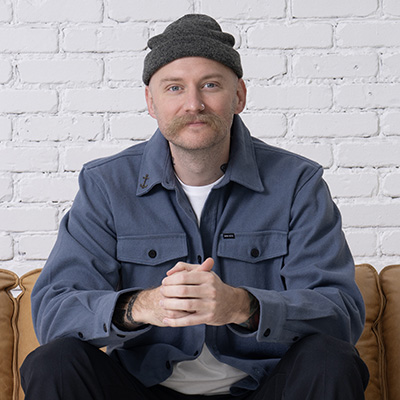
Ben Bennett
Ben is an Author, Speaker, and Executive Director of Resolution Movement–a trauma-informed movement for mental health, healing, and sexual wholeness anchored in the bible and neuroscience, which he founded with Josh McDowell. For the past 14 years, he has partnered with world-renowned therapists and ministry leaders, helping individuals young and old understand and work through the underlying factors driving the unhealthy patterns in their lives. He and Josh McDowell co-authored the book Free To Thrive: How Your Hurt, Struggles, And Deepest Longings Can Lead To A Fulfilling Life. Online, his social media content reaches 4+ million people each month.
Links: resolutionmovement.org , benbennett.org , thomasnelson.com/p/free-to-thrive/
Instagram, TikTok, YouTube, X, Facebook: @benvbennett
Instagram, TikTok, YouTube, Facebook: @resolutionmovement
About the Host
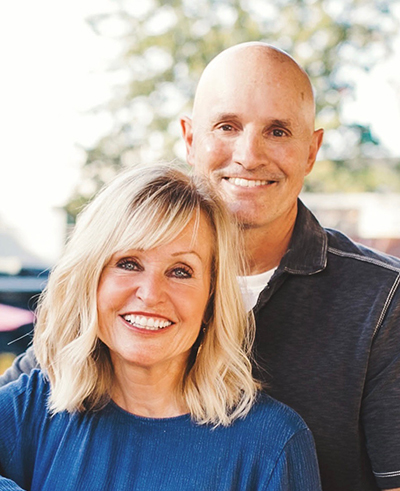
Dave and Ann Wilson
Dave and Ann Wilson are hosts of FamilyLife Today®.. Dave and Ann have been married for more than 38 years and have spent the last 33 teaching and mentoring couples and parents across the country. They have been featured speakers at FamilyLife’s Weekend to Remember® marriage getaway since 1993 and have also hosted their own marriage conferences across the country.
Episode Transcript
FamilyLife Today® with Dave and Ann Wilson; Podcast Transcript
This content has been generated by an artificial intelligence language model. While we strive for accuracy and quality, please note that the information provided will most likely not be entirely error-free or up-to-date. We recommend independently verifying the content with the originally-released audio. This transcript is provided for your personal use and general information purposes only. References to conferences, resources, or other special promotions may be obsolete. We do not assume any responsibility or liability for the use or interpretation of this content.
Trauma Healing: Unlocking Freedom Through Faith, Therapy, and Community
Guest: Ben Bennett
Release Date: October 30, 2025
Ben (00:00:00):
If you wonder why you keep lashing out at your kids or returning to that sin or dealing with pornography, you’ve got to understand these things are not random. They’re deeply tied to brokenheartedness we’ve experienced. With these longings, Jesus wants to gently set us free and heal us.
Dave (00:00:24):
I’ve had a longing for 40 years. You know what it is?
Ann (00:00:28):
Anybody that knows you would know what this is.
Dave (00:00:30):
Go ahead and tell them what my longing has been for 40 years.
Ann (00:00:32):
I don’t know if this is what you’re thinking.
Dave (00:00:33):
Bruce and Jim in the studio—
Ann:
What do you guys think it would be? What do you think Dave’s longings would be?
Dave:
They’re in the audio. I have not said anything to you guys about what I’m going to say. What do you think my longing is?
Jim (00:00:43):
Championship ring.
Dave (00:00:45):
Detroit Lions, Super Bowl victory.
Ben (00:00:48):
Hey.
Ann (00:00:48):
Bruce, would you have said that?
Dave (00:00:49):
Is that a longing, Ben?
Bruce (00:00:50):
Maybe, but you kind of already got that.
Dave:
Got what?
Ann (00:00:54):
Son in the NFL?
Dave (00:00:56):
Yeah. We have one of our kids got to play.
Bruce (00:00:57):
I also thought something about music. I thought maybe like jam with somebody.
Ann (00:01:00):
No.
Dave (00:01:01):
If it was music, it’d be—
Ann (00:01:05):
Oh, it’d be something with Paul McCartney.
Dave (00:01:07):
If I could sit down with Paul McCartney.
Bruce (00:01:09):
Yeah, jam with him on stage.
Dave (00:01:10):
He’s the only guy I think I would get an autograph from. I could care less about autographs, and I wouldn’t get one from him. But Ben, forget all that. That was just a funny way to talk about longings.
Ann (00:01:20):
Okay, with that lightness, here’s—
Ben (00:01:22):
Or is it a desire. Is it a need or a desire?
Dave:
Well, you, you’re the guy.
Ann (00:01:24):
And the longing, what’s the longing then? What would you say his longing, what would be different than a longing or a desire and a need?
Ben (00:01:33):
A lot of times I use longing synonymous with need, but I think there are—
Dave (00:01:40):
I like that it’s a need, not a want. It’s a need.
Ben (00:01:43):
But it depends how you define a longing. I think what you’re talking about is desire. It can be good desires; it can be unhealthy desires. There can be, well, I guess that’s all there is, those two. But we talk about seven longings or seven relational needs.
Dave (00:02:03):
Tell our viewers and listeners, what do you do? How is this a part of your ministry?
Ben (00:02:08):
I’m the co-founder with Josh McDowell of a—now it’s a nonprofit called Resolution Movement. And we resolution people with biblically based trauma-informed answers to all kinds of hurts and struggles, whether people are dealing with mental health or need healing in some aspect of their life or dealing with sexual brokenness. We create messages and resources mainly catered towards Gen Z. And so we do a lot of YouVersion plans, podcast episodes; we write books, small group things. I go around and speak and it’s an amazing opportunity to leverage what I’ve learned in my healing journey, the things Josh McDowell learned in his healing journey, and to help other people not have to struggle and suffer without answers the way that we did for years.
Ann (00:03:01):
Do you think we all should be on a healing journey?
Ben (00:03:05):
Yes, I think it’s discipleship. I think of Luke 2:52, if I’m not mistaken. Jesus grew in wisdom–mental, stature–physical and in favor with God—
Dave (00:03:19):
And people.
Ben (00:03:20):
—spiritual and favor with man–relational. So I think there’s a spiritual, mental, emotional, physical, relational aspect that all of us need to grow in. Yet so often we just focus on the spiritual aspect, which is so important. We need biblical literacy; we need to study the Bible.
Ann (00:03:38):
But they’re all together.
Dave:
On the other side we focus just on the emotional or therapeutic side. You’re saying there’s a blend?
Ben (00:03:44):
Yes.
Dave (00:03:44):
Is it 50-50? Is it 70-30?
Ben (00:03:47):
Yeah, I guess it depends on how you slice the pie. I mean, at some point everything is spiritual because we’re made in God’s image.
Ann (00:03:55):
So the answer is yes, yes. And I think too as we’re talking Ben, so every listener—
Dave (00:04:04):
And viewer.
Ann (00:04:05):
—and viewer could benefit going on a healing journey. I mean, that’s true for us. I’m thinking of even our kids who we feel like they grew up in a pretty normal—there wasn’t tons of trauma.
Dave (00:04:18):
They grew up in a perfect family. That’s what they grew up in.
Ann (00:04:19):
No, but they still have trauma, and they still have hard things. And so I really think everybody, this is going to be a conversation everyone will benefit from.
Dave (00:04:27):
If there’s something I think we underestimated—and I think a lot of couples do—when we got married, is the amount of baggage and trauma we were bringing into that marriage. I’d love to hear your—
Ann (00:04:36):
And how it affects us in our relationships.
Dave (00:04:39):
And our perspective was—I’d love to hear what you have to say to this because as I was reading through Free to Thrive—hold your book up. I want people to see that are watching on YouTube Free to Thrive. You give a little—
Ben (00:04:54):
A little office moment. Actually, I don’t watch the office. What am I talking about?
Ann:
It’s so funny.
Dave (00:04:56):
There you go. Well, the subtitle, How Your Hurt, Struggles, and Deepest Longings Can Lead to a Fulfilling Life. I think I knew two divorced—I mean two — parents, divorce, adultery, all going on before I was seven years old.
Ann (00:05:12):
You had a sibling die.
Dave (00:05:13):
Single mom and me and my little brother died within six months of the divorce. This is back in the sixties. I was the only kid in my elementary school without a dad. It was very unusual then. Come to Christ in college, and as Ann and I get married, my perspective was 2 Corinthians 5:17. The old is gone, the new has come. So all that stuff in my past is in my past. I’m a new creature in Christ. The old is gone. I think Ann had the same thing. She had sexual abuse in her past. She’s bringing that in. We both had this perspective. That’s part of our story, but it’s done over.
Ann (00:05:49):
It’s passed; it’s way back there.
Dave (00:05:49):
And now we’re in Jesus and here we go. And we didn’t realize it’s coming.
Ben (00:05:54):
I mean, even on a neurological level, all of our experiences live in our brain and the pathways we develop, the ways of thinking and acting. We get this when somebody has a stroke and has to relearn how to move their arm or something like that. And so why would we think it’s any different when living outside the Garden of Eden? All the things we grow up with, the lies we believe, the trauma, the hurt, the abandonment that lives in our brain and the pathways that are firing off, those have to be rewired as well. Romans 12:2, “Be transformed by the renewing of your mind.” And so all of us have to go on that healing journey, and I think that’s a core part of discipleship.
Dave (00:06:37):
Interesting. When you quote Romans 12:2, never had this thought before. This might be a bad thought, who knows? But verse 1, “Do not be conformed to the pattern of this world” really the matrix of this world in some ways, the matrix of this world—of course, we always think of that like worldly mindset, culture. Could there be an aspect of that the world’s mindset is just bury your trauma, overcome it and walk in rather than, no, you need Jesus to renew your mind, which means you’re going to have to step back into it a little bit to understand it and process it so that you can be free to heal from it. You’re the expert. I’m just throwing out layman’s ideas.
Ben (00:07:20):
And that’s something I talk about a lot is the ways of this world. You look around anything outside of God’s design, it’s trauma, it’s fear, it’s sin. It’s even bearing our brokenheartedness. Think about how often Jesus talked about brokenheartedness. Proverbs 4:23, “Guard your heart, for everything you do flows from it.” And so often things have happened to our heart, and we think that because—like y’all mentioned—a lot of what we talk about is I’m a new creation—yes and amen—yet things have happened to me, and my brain has been wired a certain way because of my life experiences. And Jesus wants to renew that. He can do that in an instant but so often as we know, growth is a process over time with people and truth and renewing our mind and sometimes good Christian therapy and all kinds of things.
Dave (00:08:18):
Before we continue, let me say this: at FamilyLife we really believe strong families can change the world. And when you become a FamilyLife Partner, you can make that happen.
Ann (00:08:28):
And I don’t know if you realize this, but your monthly gift helps us equip marriages and families with biblical tools that they can count on.
Dave (00:08:37):
And that’s a pretty cool deal. And we also want to send you exclusive updates, behind the scenes access, and an invitation to our private partner community, which is also pretty cool. So join us and let’s reach marriages and families together.
Ann (00:08:50):
And you can go to FamilyLifeToday.com and click the donate button to join today. That’s FamilyLifeToday.com.
Dave (00:08:58):
All right, let’s get back to the conversation. What do you think?
Ann:
Good idea.
Dave:
Have you ever run into the idea that if I try to step back and process the pain, the hurt, the trauma, that’s not spiritual. It’s more spiritual to just realize it’s nailed to the cross with Jesus. I just move on. Have you ever had that thinking—
Ann:
Or heard that thinking.
Dave:
—like I shouldn’t do that because it’s done. It’s over. I’m new in Christ, I shouldn’t do that. It’s more spiritual to not do that rather than the actual spiritual thing is to process it.
Ben (00:09:31):
Yeah, and I think there’s a lot of ways that we minimize and downplay our pain and other people’s pain. So a lot of times it can be a spiritual smokescreen. “Oh, it’s more spiritual to think about things that are true, noble, right, and pure.” Does that mean I’m never supposed to think about something painful that happened in the past? Well, when Jesus encountered Martha and Mary when a friend Lazarus died in John 11, He empathized with them, He mourned with them, He grieved with them. Ecclesiastes says there’s a time for everything. And so there is a time for us to look back and process that pain and seem to make sense of it, make sense of our story with God and others rather than to try and bury it. We actually don’t bury it. We don’t leave it in the past. If we try and leave it in the past, we’re actually burying it alive and it’s going to come back to haunt us.
Dave (00:10:23):
It’s going to crawl out. Wow.
Ben (00:10:24):
Yeah. We don’t leave our family of origin in the past. We carry it with us in our brains, in our body, neurologically.
Ann (00:10:30):
We bury it alive. And the thing that I’m still stuck on that you said was this is discipleship. When I think of discipleship—and you’ve been in Cru, you were on staff with Cru, with Josh—we’re all about spiritual. We call it discipleship, but in my head I’m always like, “Oh yeah, spiritual discipleship.” You’re saying no, there’s more to discipleship than just the spiritual aspect. I’ve never really thought of that.
Ben (00:10:56):
Yeah, I mean you think about Elijah, right? The prophet Elijah, when he had this mountaintop experience, saw God do so many things, and then he no longer wants to live.
Ann (00:11:08):
He’s in depression.
Ben (00:11:08):
And then what does God tell him to do? Not to pray a bunch, not to go to the temple, no. He says, “You need a nap and I’m going to provide for you good food and you need to rest. You need this physical aspect of discipleship to care for your mind and your body.” And that’s how God shows up. And I think one of the many things that’s being communicated is we are holistic beings. We’re not just spiritual.
Dave (00:11:40):
Well, walk us through your story.
Ben (00:11:41):
Yeah. I grew up surrounded by Christianity, going to church, met Jesus at a young age, really understood how to have a personal relationship with Him. And while that relationship with God was restored, I believed that Christ lived the perfect life for me, died for my sins, rose again. I was all in. Somehow at an early age, God just graced me with having that relationship. That relationship was good. It was restored, but other relationships were broken, particularly in my family life. My dad was in ministry, and yet he was also an alcoholic, and he was emotionally and physically abusive—name calling, manipulation, bullying.
Ann (00:12:22):
Was that all a secret in your family?
Ben (00:12:25):
Yes, and then my mom didn’t intervene. And so here I have these two people that I’m supposed to be loved by, accepted by, discipled by. And then I’m seeing my dad act one way in the home and then one way around other people. That is a maddening experience for a child. And so what I did with that at a young age is I shut down. I thought I was a problem, shame, there’s something wrong with me. And I started developing different psychological symptoms: anxiety, depression, suicidal thoughts, obsessive compulsive disorder and trying to navigate that on my own.
Ann (00:13:08):
And you’ve still given your life to Jesus. You’re there spiritually.
Ben (00:13:12):
Yeah. One of my therapists said, “Jesus was your greatest coping mechanism.”
Ann:
Wow.
Ben:
Yeah. And so I’m so thankful that He was there when other people weren’t. But what I did with that pain was unknowingly, I was just struggling and coping and trying to survive. Fast forward to age 12, I get introduced to pornography and masturbation, quickly get addicted to that, food, started dealing with body image, addicted to food, binge purge cycle, over the course of time gained a hundred pounds then lost the hundred pounds and was just coping so much. And what I—
Ann (00:13:58):
You buried everything alive.
Ben (00:13:59):
Yeah. And all the while I’m crying out to God to free me, to help me, and trying to utilize these spiritual principles because I’m growing up in a missionary family. I’m growing up in the church. I’m talking to Jesus every day. I had, I was reading the Bible here and there, but I was—that whole thing about praying without ceasing, that was survival for me.
Ann (00:14:28):
You were desperate.
Ben (00:14:28):
Talking, yeah, talking to God every day.
Ann (00:14:35):
Did you feel so hopeless? It seems like the only thing you had to hold onto was Jesus.
Ben (00:14:43):
Yeah, hopeless and stuck. But the reality of the scripture, that eternity is written on our hearts, that was so real to me at a young age that even by the age of seven, I was sharing my faith with my friends and seeing them come to Christ. And so—
Dave (00:15:12):
In a sense, seeing them become free and you felt stuck.
Ben (00:15:16):
In some sense I was saying, “Come follow Jesus. He’ll heal you. He’ll set you free.” But He hasn’t done that for me yet. I knew eternally He did. But in the brokenness before I entered into my healing journey, I was so stuck in those things. And the spiritual aspect of my life was so disconnected from the relational aspect, the emotional, the mental, the physical, and so it was a long road of aloneness.
Dave (00:15:54):
Did you have a friend or anybody you could turn to?
Ben (00:15:58):
Not really, not about this. And also as a kid—a lot of this I share looking back as I’ve made sense of my story—in the moment, I couldn’t put the pieces together. It was “I’m bad. I’m bad. This is who I am.”
Ann (00:16:16):
I’m broken.
Ben (00:16:18):
This is just the card I was dealt. And there wasn’t an understanding of the why, what was contributing to all of these things.
Ann (00:16:28):
I am thinking, I think I was seven the first time I thought—because sexual abuse had happened with different people—and I remember at one point at seven, after three different people, I thought, “Oh, it’s me. I am the one. It’s my fault I’m broken.” And I’m wondering how many people suffer in silence with that thought, “Oh, it’s me.” And that shame piece can feel overwhelming. And I think as kids, we don’t know what to do with it. And it comes out in all different ways. But do you think there’s a large percentage of people that just feel so stuck and so full of shame? They don’t even know how to verbalize it. As a kid, you don’t even, it’s just a part of who you are. You don’t know if because it’s an outside, something has happened, you just think it’s me. You don’t even know where to go. Is there a large percentage of people that are living that?
Ben (00:17:21):
The majority of people.
Ann (00:17:23):
You think?
Ben (00:17:24):
And I think it’s been Satan’s number one tactic of spiritual warfare since the Garden of Eden; get you to buy the lie of shame that you’re bad either because of what you have done or what has been done to you. You’re not—it’s not like you’ve done bad. Guilt says I have done bad. Shame says I am bad. This is who I am. And then so I think so many people are growing up believing that even in the church, right? God loves me, but I’m still bad. He kind of just tolerates me. As opposed to no, the Bible starts in Genesis 1, not in Genesis 3 with the fall.
Ann (00:18:07):
That’s good.
Ben (00:18:08):
The truest thing about you is that you are made in God’s image. You have so much value and worth. You are worth the cost of Jesus on the cross to God because He wanted a relationship with you. And I think sometimes we hear sinner, the language of that we’re sinners rather than how much. I mean, if you look at the New Testament, 99% of the time Christians are called saints. We still wrestle with sin, but our primary identity is beloved and saints.
Ann (00:18:39):
Which takes us to the conversation we were having even before we started of how you really took off on TikTok. Share what you said to us. What happened that that just took off; that you got a bunch of followers.
Ben (00:18:55):
In 2022, I got on TikTok. I was doing three videos a day, and I was sharing my faith and how to have a personal relationship with Jesus. And I was looking at what young people are struggling with and things that I had struggled with. And so I kept doing these videos on Jesus doesn’t want you to fear tomorrow. Jesus doesn’t want you to fear death. Jesus doesn’t want you to fear, period. And I would talk about how we can be consumed with fear and we see this happen and a shooting there, and then we’re just growing up, and people are growing up in a climate of fear. And it wires your brain a certain way.
Ann (00:19:39):
Especially our kids and grandkids. It’s insane.
Ben (00:19:43):
And talking about how you can trust Jesus and have a relationship with Him, and He’s not going to let anything—nothing happens unless He allows it to happen. He walks with you and He’s there for you. And I was doing these ten second altar calls inviting people to place their faith in Christ and saying, if you prayed that prayer for the first time, say “I prayed that prayer” in the comments. And over the course of six months to a year, there was over a hundred thousand people who commented that they prayed to give their life to Christ for the first time.
Ann (00:20:18):
And these are mostly Gen Z.
Ben (00:20:20):
Gen Z and Gen Alpha. I mean, there’s eight-year-olds on there who were like, “I’m only eight. I’m not even supposed to be on this thing, but I’ve trusted to Jesus.”
Dave:
“Don’t tell my mom.”
Ben:
Yeah. It’s like, “I don’t even know who you are. Your photo is a meme.”
Ann (00:20:36):
But that to me, that’s evidence of like, man, kids are desperate. People are desperate.
Dave (00:20:43):
Well, in a sense, I mean you know this better than any of us. You’re tapping into their longings.
Ann (00:20:48):
Yeah.
Dave (00:20:48):
The topics you were raising as tapping into these seven longings, I don’t know. Should we go to those, or do we need to hear the rest of your story? I wonder what happened last time we looked at you—
Ann:
We need to know.
Ben (00:21:00):
We can circle back to the end to the—
Ann:
Let’s do that.
Ben:
But yeah, on that topic of fear, one of the seven longings we talk about in the book Free to Thrive is assurance of safety. And it’s one of the top two longings I see so many people struggling with today.
Ann:
Really?!
Ben:
The assurance of safety that’s to be protected and provided for emotionally, physically, and financially.
Dave (00:21:26):
Do you think COVID just spun that out of control?
Ben (00:21:28):
Oh yeah, wrecked, wrecked it. Whole tornado on that thing.
Ann (00:21:32):
And shootings; there’s so much now.
Ben (00:21:33):
And I think we were built for the concerns of a village rather than to be constantly looking at social media and seeing that happened there, that tragedy there, that tragedy there. And then what it does in our minds is it causes us to blow out of proportions the probability of that happening to us.
Ann (00:21:55):
Oh, especially if you’re a kid. I’m telling you, if you’re listening as a parent, this is a conversation we have got to have with our spouse, but our kids. This is the stuff our kids are feeling, and discipleship is talking about this stuff.
Ben (00:22:11):
Yeah, exactly. And so the assurance of safety that causes this deep core belief that I’m secure. I’m secure. God’s going to provide for me. My parents are providing for me. And yet so many people in our digitalized world, you can grow up feeling pretty secure and safe. You’ve got food on the table. Your parents are taking you to soccer practice. Hopefully they’re engaging with you and helping draw out what’s happening within you when you don’t feel safe. And you have these experiences that get marked down in your brain that, “Hey, I’m okay. Mom, Dad, they’re going to protect me.” Yet all that can be true, and you can constantly be hearing about these things on social media and seeing these things, and it can wire your brain to develop a phobia or to develop a fear of things happening.
I haven’t talked about this publicly very much, but in 2020 I—so the world shut down and whatnot, and I developed a series of phobias. I had dealt with claustrophobia and fear of heights before, but it got so bad to the point where even leaving my house caused so much anxiety. And then I did three years of intense therapy focused on this. It got to the point where I wasn’t flying on planes anymore. And here I am a speaker with Josh McDowell ministry and I’m driving 14 hours to a speaking event. Are you kidding me?
(00:24:06):
The therapist I talked to, the way he described it was, everybody’s got a cup full of water, and that’s your tolerance level, what you can tolerate. And the moment it starts running over so that you can keep going, your mind puts that onto something else. So you’re loaded with stress, 2020, dealing with this, dealing with this. You’re not slowing down. So here is something that your brain develops to try and keep you safe via a phobia where you can’t fly. I’m like, “Thanks brain.”
Ann (00:24:44):
It’s like a coping mechanism. Is that what you’re saying?
Ben (00:24:46):
It’s almost like a survival protective mechanism to get you to slow down, to also to make life more manageable.
Dave (00:24:56):
—to deal, yeah.
Ben (00:24:57):
And so my brain got wired that way where even the thought of flying again caused so much anxiety. But then what’s wild is, as we talked about Romans 12:2, I went on this journey of exposure therapy and slowly exposing myself to things and starting out with a 10-minute, 10-minute flight and a 20-minute flight, and then now I’m flying all over again and God rewires our brain. And I think there’s something to be said for the Psalms and things that we see throughout scripture. I think of Psalm 23 where David is saying, “Though I walk through the valley of the shadow of death, I will fear no evil.” In my opinion he’s using this visualization technique of, “Hey, I’m going into this place of fear that may trigger fear in those old neurological pathways, yet God is with me. I can do this. I’m not going to fear.” And applying that type of principle going into these situations, overcoming my fears is how God really healed me and brought about that assurance of safety. And a lot of the fear went away.
Ann (00:26:10):
So God did heal you from that. It made me think of, I was having an MRI done for a possible cancer diagnosis several years ago, but I mean being in an MRI tube is not comforting or relaxing. There’s bang, bang, bang. It’s terrible. But I remember—
Dave (00:26:33):
Claustrophobia.
Ben:
Exactly.
Ann (00:26:34):
And because you can get super anxious in those, I took my mind—I’m like, “Jesus, I’m just going to walk with you” because I thought of Psalm 23 and I pictured in my mind—and this is the beauty of the complexity of the brain—I’m going to picture heaven and what it would be like to walk those streets and to be with you and then walk to that stream in the valley. It’s amazing how that can take us to a place of peace in the midst of absolute chaos. But I love that. And I love that God healed you, but it took work. Because He could have done it—because we’re all like “Can’t He just do it overnight?”
Ben (00:27:12):
Yes.
Ann (00:27:13):
He could do it in a minute, in a second.
Ben (00:27:15):
The amount of people that prayed for the neurons in my brain to rewire miraculously, and I was praying every day, but he wanted to take me through a process. I remember early on in that process going, “God, would you heal me?” And I felt like he said to me, “I am.” And it was in the process that He was. It just wasn’t how I—
Ann (00:27:39):
Because it’s through this process that now you’re helping other people, which makes sense.
Dave (00:27:44):
And it’s so interesting, all seven of the longings as a parent, I mean obviously it applies to us individually, but as a parent you read it and you’re like, “Oh my goodness, my kids are experiencing every one of these. I’m in many ways a person in their life that can help assure them even the assurance of safety.” So that’s one. Grab another one. I mean the first one, obviously a big one.
Ann (00:28:15):
Oh yeah, I need all of—that’s all of me.
Ben (00:28:18):
And one of the reasons these are so important is because in the research Josh McDowell and I did, we found that if people experienced these growing up—not perfectly because we live outside the Garden of Eden—but if you experienced a lot of these consistently, 90% of the things you could struggle with aren’t going to be there. Anxiety, depression, porn addiction, body image, shame, struggling to trust God, lies you believe about God, because we know how our interactions with authority figures, parents growing up, we copy and paste that onto God the Father especially. And so that’s what I love about these is because even if they weren’t met, God created you to have them met, even now as an adult. So it’s not too late. You can heal and have these met.
Dave (00:29:12):
Now what about the kid who—well, I’m thinking of the parent who’s thinking, “I met these. We did a good job. My son, my daughter felt accepted, felt affirmed, felt acceptance of their feeling”—I’m going ahead of myself, and yet their son or daughter has struggled in big ways. Is that an indication that well, some of these were lacking?
Ben (00:29:35):
Well, I would say a couple things. I would say one, gently, one, is that truth or is that an assumption? And the best way is to, if you did meet them, you know can go to your son, daughter, adult son or daughter confidently and ask them and—
Ann (00:30:00):
Be prepared because your children will tell you.
Dave:
We’ve done it.
Ann:
Yeah, and I felt like Dave and I did as best that we could in our own brokenness, but there were still things that we didn’t do.
Ben (00:30:14):
And the second thing I would say is if we were created—and this will liberate parents—if we were created for the Garden of Eden and say we raised kids in the Garden of Eden and everything was perfect. Think about in a fallen world where you have fallen people raising fallen people. One of my friends, Jay Stringer says, honor and honesty are two sides of the same coins when it comes to our parents. They’re not God. And so may we honor them in their humanity; that they’re not God and honor the good things they did.
(00:30:53):
I’m convinced there’s no—it’s not that black and white. There are no perfect families. No—yeah, no perfect families, no terrible families. There’s good and bad mixed in. And that’s why it can be so hard when maybe you look back and you’re like, “Man, so many things were so good. And yet there were several things that really wrecked me.” And we can minimize ever bringing that up because we immediately go into blame when you can name things without blaming somebody and seek restoration and reconciliation. With these longings, the second longing that so many people don’t have met—and I would say this is like a foundational longing and there’s so much research around this one—is acceptance; to be approved of, included and loved as you are. And this communicates that I’m valuable, I’m worthwhile, I’m accepted. I love Romans 15:7, which says, “Accept one another then just as Christ accepted you in order to bring praise to God.”
(00:32:12):
And there was a study done last year, 2024 in Hong Kong of 3,600, I think it was teens or young people. I’m not sure the exact age, but they found that those who felt accepted by their parents had lower psychological symptoms. So lower anxiety, lower depression. There was also a study done about 10 years ago by Harvard that showed those who have a high level of self-acceptance have more gray matter in their brain and in the part of the brain—I think it’s the limbic system—where it’s firing off fear and the fight or flight part of your brain. So you’re actually, if you are dealing with self-acceptance or you have self-acceptance, a high level of it, you’re going to be less anxious, less worried, less fearful.
Ann (00:33:10):
And that’s evident by brain scans. That’s crazy.
Dave (00:33:15):
Here’s where I go. If acceptance is that critical—obviously it is—if I’m a Christian parent and my son says he’s a girl, trans or gay, son or daughter, how do I accept?
Ben (00:33:32):
Right.
Dave (00:33:33):
How do I—
Ann (00:33:34):
Theologically, you’re not on that same page.
Dave (00:33:35):
—and I know this is really important. I have to accept them. This is almost life altering how I respond. Help the Christian parent navigate that. Just an easy one, Ben, just go for it.
Ben (00:33:45):
Exactly. This is probably one of the most complex ones because acceptance, it’s showing somebody that you value them, that you want to be around them, that you care about them, you care about who God has made them. It’s looking at their gifts, helping them develop it. It’s affirming their personality, not just saying I love you, but I love this about you. I love you, and this thing about you and treating people the way Jesus would. I think where it gets really challenging is in a culture where what you do or who you’re attracted to or the identity, your self-proclaimed identity, when you see that in a worldview core to who you are, that makes it really challenging for people because then they believe, “Well, you’re accepting part of me, but not all of me.”
Ann (00:34:47):
That’s what they’ll say.
Ben (00:34:49):
Right, which is not true, which is where I think it takes a lot of conversations and sharing that in the Christian worldview, you are valuable because of Genesis 1. You’re made in God’s image. You’re not valuable because of your personality, because of your gifts, because of your sense of self, because of your attractions, because of any of that, because of what you wear, because of what you look like. You’re valuable because the core of you is made by God and deeply loved and valuable. And if people can start to understand the worldview difference there about how Christians see identity and lovability and how I would say the world does it in the self-sense of identity, perhaps there would be a little more understanding.
Dave (00:35:47):
Yeah, I mean it’s such a difficult one because in some ways they’re feeling like the world accepts me and you’re saying I’m made in God’s image, but I think I am made by God with attractions toward same sex. And you’re saying I’m looking past that. I’m looking to the core of who you are.
Ann (00:36:08):
Well, you’re saying your identity isn’t your sexual identity.
Ben (00:36:10):
And that can seem to people dismissive and really, really hard and yet true at the same time. And so I don’t know what would you guys say?
Ann (00:36:20):
And yet you’re saying that—
Dave (00:36:22):
No, he threw it back on you.
Ann (00:36:22):
—I’m proving my love and acceptance by you, by being there for you, by hearing you, by encouraging you, not necessarily in some of the choices or preferences that you’re making or have, but I’m still here for you. And so I think that is a hard one, but I think it’s true. And that acceptance, one, I’m thinking of the listener. These to me, these are the areas that I want to disciple my kids. As I’m listening to you, Ben, I’m like, “I want to disciple them spiritually.” But when I look at these—this is just me as a mom—like, “Okay, I’m going to look at these.” They all begin with an A: acceptance, appreciation, affection, access, attention, attention of feelings, attention of safety—
Dave (00:37:12):
Affirmation of feelings.
Ann (00:37:13):
That’s what I meant—affirmation of feelings and assurance of safety. These are things as a parent you can look into like, “Okay, I can look at this and think, ‘How are we doing?’ and ‘How am I doing with myself?’” Because if we’re as parent not accepting who God has made us to be and struggling, it’s easy for our kids to see that. And it’s hard to maybe give that away.
Ben (00:37:37):
Yeah, exactly. And I think to the depth that we have experienced God’s love and forgiveness is the depth that we can extend it to other people.
(00:37:50):
Dan Allander says, “You can’t take other people further than you have gone yourself.” And so the invitation of discipleship, I believe, is to understand our journey, our story, how we grew up outside the Garden of Eden, what we experienced outside the Garden of Eden that we never should have and how that has impacted us and where we have experienced brokenheartedness. Jesus talked about how he came to heal the brokenhearted and set the captive free. And I heard trauma therapist, Adam Young say there is a linkage there between the brokenheartedness we experience and the captivity in which we find ourselves in. And so if you wonder why you keep lashing out at your kids, or returning to that sin, or dealing with pornography, you’ve got to understand these things are not random. They’re deeply tied to brokenheartedness we’ve experienced and where the journey of discipleship, where Jesus wants to gently set us free and heal us, and with these longings, they’re relational, like relational wholeness. We’re made in God’s image. God is triune, three persons, one being eternally existent in community. The New Testament mentions one another 100 times exactly. Overwhelmingly we need one another. And if it’s commanded a hundred times, that’s discipleship. There’s no such thing as an isolated Christian on an island who’s effective and not going to be devoured by the enemy or not going to be silently suffering and struggling to grow because they’re dealing with so many things on their own.
Dave (00:39:44):
I mean, how do you help a person—this is what you do—connect their unwanted behaviors with their longings?
Ben (00:39:52):
So many of us don’t slow down because we’re afraid of what we’ll find when we do.
Dave (00:39:56):
That’s it.
Ann (00:39:58):
That’s what your counselor said.
Dave (00:39:59):
It’s a coping, coping mechanism. We just keep running.
Ben:
Our idols reveal our wounds. There’s a reason why even good things become God things and it comes out that way, sideways, if we don’t deal with it. And so connecting those dots is exactly why we wrote this book because we wanted to help systematize the way that people could identify trauma, unmet needs in their life through charts/diagrams, walking through the seven longings. How was this met by my mom? How was this met by my dad or important people? How was this partially met? And then of those things, how did that make me feel? What did it cause me to believe about me? What did it cause me to believe about God? What did it cause me to believe about other people?
Ann (00:40:51):
Those right there are so big.
Ben (00:40:53):
And then we’ve got a list of 50 different coping mechanisms that you can go through and say, “Oh, deal with that,” “Netflix binging, deal with that.”
Ann:
Now you’re getting a little too personal, Ben.
Ben (00:41:06):
And then we walk you through how to start finding these fulfilled now in healthy coping mechanisms by God and others. But the most simple way—I get messages all the time of people struggling with pornography or they’re struggling with anxiety. And the best way is to get curious with yourself, to start questioning like, what happened the day before? What conversations did I have? What was I thinking? What stress or pressure was I feeling? And then you look at the seven longings and say, “Oh, I probably wasn’t feeling acceptance.” I mean baseline for a lot of people, it’s acceptance. Ultimately, they don’t have a porn problem. They have a rejection problem.
Let me clarify that. Pornography is a problem. It is destructive and harmful and sin, yet there’s something deeper going on behind that. Everything we do flows from our heart. And so for people experiencing rejection rather than acceptance growing up, experiencing rejection, thinking they’re going to fail, somebody disagreeing with them, a spouse, a boss having an overwhelming task and you don’t do that well on it or it makes you feel incompetent, those things are going to set you up for your coping mechanism of choice.
Dave (00:42:35):
Well talk about—you’ve mentioned a couple of times porn. We’ve had Jay Stringer on; it’s been a while. One of the things that’s unique, I don’t know if other people do this, but Jay’s written about, I can even connect the kind of porn you’re drawn to, to your wounds. I recently preached on porn at my church, last two or three months, and one of the stats I came across was seven out of ten church men have looked at porn in the last month. These are church guys. So obviously there’s something broken there in this world. I know there’s people listening right now, or watching, they have this secret. In their unwanted behavior, this is one of them. There’re others, but this is one. What’s going on there? Is it the longing of affection? Or is it all of the above?
Ann (00:43:23):
I’m thinking of the people that are listening that have a porn problem, an eating problem, like there’s a problem. Okay.
Dave (00:43:30):
Alcohol.
Ann (00:43:31):
We realize, “Okay, I do have that. Or maybe I’m just anxious. Now what do I do?
Ben (00:43:35):
Yeah. Well, I led porn addiction recovery groups for six years, the first six years in ministry.
Ann (00:43:41):
Really.
Ben (00:43:42):
And as of August 1st, I’ve been free from porn and masturbation for 12 years.
Ann (00:43:48):
So you can be set free from that.
Ben (00:43:51):
And I was addicted for 10 years. I couldn’t imagine my life without it. I didn’t want to. It was the most addictive thing I’ve ever walked through because it releases a super flow of dopamine in your brain. It’s the new crack cocaine. It’s in everybody’s pockets. It’s so easy to get addicted. It’s anonymous, accessible, and it’s the ultimate coping mechanism. And because of what it does to your brain and it’s so highly addictive, it quickly can rewire your brain leading to an addiction which is so hard to get out. I actually wrote a digital download called Five Steps to Quit Porn that you can get at resolutionmovement.org under our resources tab. But I share the five core steps that God used to set me free from it for good because we can walk in true freedom. We can have a new brain. I can’t remember the last time I was tempted to look at porn.
(00:44:47):
It’s been years. God can actually do that. And one of the key things, one of the key five steps is identify why you do what you don’t want to do. And it has to do with, what are the seven longings growing up that significantly went unmet? How did that shape my perception of myself, God, other people? And when that comes up now in the present, how am I coping with that? Okay, so for me, talking about acceptance growing up, feeling rejected by my mom, by my dad, in middle school bullied by friends, I thought that I was worthless, that I was unlovable, that I was a reject. So fast forward to college, what happens when things constantly bring that old feeling up again? Like when my friend and I get into an argument, or when the teacher embarrasses me, the professor embarrasses me for whatever reason, or I study really hard and put my best into something and then get a C.
(00:45:55):
Well, all of those things, I’m going to read through the filter of rejection because that’s what I know. And so in that moment, what it’s going to do psychologically in my brain is engage all of those old neurological pathways of trauma and rejection with it in the moment as an adult, bring all of that up at once. So no wonder I would go to porn to try and escape that because anything was better than reliving that pain and the deep lies and the deep shame. Yet porn was the trap where dealing with shame and rejection led me to it. But then after I just felt more shame and rejection and it’s just this—
Ann (00:46:39):
So you’re trapped.
Ben (00:46:40):
—toxic trap.
Ann (00:46:43):
Okay, so what did you do? So you’re triggered, all of that happens. You realize, “Oh, this is acceptance. This is what happened. This is what hurt my view of myself, my view of God.” Then what?
Ben (00:46:55):
In the moment you start to recognize what’s going on. Oh, this is coming up again. I’m feeling like a reject. One, taking thoughts captive like the Bible says. So telling ourselves that we’re loved, chosen. I would think back on experiences where God proved His love and acceptance to me. I would think back to this worship event I went to and I was crying and God spoke so clearly to me that He loved me. And so in that moment when the fight or flight part of my brain where the trauma is stored is coming up telling me I’m such a reject, I would actually go back and think back on an experience that also was engaging the limbic system in my brain and relive it. And then in that moment, I would start to see a shift. Now I believe I’m accepted.
I would also reach out to a friend. This was a big one. Even when you’re so overwhelmed, triggered, whatever, you can’t really think, I would call up a friend. My first year of healing, I committed to a life of no secrets with two other guys, and we were calling each other, processing our emotions—in our early twenties as single guys—and talking about the things that were stressing us out, bringing up trauma. And what we found was we started to develop a lifestyle of reaching out rather than acting out.
(00:48:23):
And then later I started doing research on that and I was like, this is interesting. Porn releases a high amount of dopamine in your brain. You know what else also releases dopamine in your brain? Having a life-giving conversation. Not the same amount. It doesn’t release the same amount as porn—
Dave:
But it does.
Ben:
—but it’s God’s way. And so I was actually able to find what I needed God’s way. And when I would call up that person, I felt so accepted and seen, like, “Man, that must be really hard.”
Dave (00:48:52):
And there’s obviously the aspect of calling your friend. You felt real intimacy. Porn is superficial.
Ben (00:48:58):
Yes.
Dave (00:48:58):
It’s not as busy.
Ben (00:48:59):
Exactly.
Dave (00:49:00):
It gives you a hit, but you feel less after than you did before.
Ann (00:49:04):
I think the way I’m looking at it, remember the old cartoons with the devil and the angel on your shoulder? It’s almost like you’re triggered and you have two pathways that you could walk. The easy, if we’ve walked down this pathway so many times, the one that it’s like the enemy takes us on, we’re so used to it that we just naturally—my friend used to call because we’ve done a lot of healing things. When you come home from work or come home from something, you put on your old baggy sweatpants.
Ben (00:49:32):
Come on.
Ann (00:49:32):
It feels comfortable. You just put on those clothes because you’ve done it every time. And so you just automatically put them on. To put on something different, it’s like rewiring your brain.
Ben (00:49:43):
Salvage denim for the first time. Oh my goodness.
Ann (00:49:46):
It feels so uncomfortable at first to put anything different on. But I love the idea of recalling because think of all the times in scriptures, scripture. Moses would tell the people, remember, remember God’s faithfulness, and so we have this choice to go down this other side.
Dave (00:50:02):
But here’s the tension that we all know. They said we’d rather go back to Egypt. They’d rather go back to what they know—
Ann (00:50:11):
Because it’s more comfortable.
Dave:
—than to what they don’t know.
Ann:
Baggy sweatpants.
Ben (00:50:16):
Sometimes that old thing that is more known and more comfortable feels safer than the risk of the unknown.
Dave (00:50:23):
Yeah.
Ann:
Oh, that’s it.
Ben (00:50:25):
I think about remembering. I remember years ago, John Piper said that remembering gives us faith for the future.
Ann (00:50:32):
That’s good.
Ben (00:50:32):
I was like, that is so good. And I think even on a neurological level, how it engages our brain. That’s why God tells us to remember because when we’re struggling to believe, if we remember, it activates our limbic system where we are almost re-experiencing what he did in the past now on a biological level in the present, and it helps us believe, “No, I am going to go God’s way. This is going to be more satisfying.” And then it starts rewiring your brain. So for me now, 12 years porn free, I’m not tempted to look at porn. The temptation is to not reach out for help. My brain, it goes, “Oh, you’re stressed, you’re anxious, you’re getting exhausted. Maybe I’ll wait a day before I reach out to somebody and process this.” It’s interesting how that temptation changes to isolate.
Dave (00:51:28):
How old were you when you started to really process through everything we talked about earlier? Again, I’m looking at your book Free to Thrive. When did you start to understand and process to the point where you’re really starting to thrive?
Ann (00:51:45):
What’s the end of the story? Because we started with your story.
Ben (00:51:49):
I think we’re always on a journey, right, of healing and greater levels of freedom and discipleship. But I would say when I was 23, I guess it was, I went a year without looking at porn, but I wasn’t free. It was just willpower, trying like, oh, I’m fighting to resist. Then that first year of the Healing Journey therapy, going through the life of no secrets for a year. That was the year where we were in group counseling and started to really peel back the setup, so to speak, in our journey, the setup from the enemy, from what we had experienced growing up in our family, the setup of the lies, of the coping mechanisms. I did a yearlong outpatient process with a certified sex addiction therapist, and it was so helpful in connecting the dots and understanding why am I doing what I don’t want to do? What is this actually about?
Dave (00:53:01):
Romans 7.
Ben (00:53:02):
Yeah.
(00:53:03):
And a light bulb moment going off, “Oh, this is making sense.” And then it can start to shift from shame and condemnation to grace. It doesn’t mean my porn use was okay, but it makes sense. I was suffering so bad emotionally and relationally, it makes sense that I would choose that. And then starting to—a big thing was—relearn who God is and who He says I am. And learning that in the scriptures, having it modeled by mentors and the guys that I had a life of no secrets with. My therapist used to say, “We’re wounded in relationships, and we’re healed in relationships.” And so over time of new experiences with godly safe people, spiritual fathers, spiritual mothers, great mentors, great friends throughout the years, getting in those environments. And then another big thing was I had to cut the trash talking voice of shame in my head. I just did a post on this on Instagram, Three Signs You’re in an Abusive Relationship With Yourself, and I’m convinced that most Christians are.
Ann (00:54:24):
Oh, I was terrible.
Ben (00:54:25):
Sign number one is you tear yourself down.
Ann (00:54:29):
Yeah, I would do it to motivate myself. You’re so worthless. You’re ugly and fat, like awful, things Satan would say to you. And I call it we have—in Romans 12:1-2 are my favorite verses because I feel like that has been transformative. It’s training your brain and it’s biblical.
Ben (00:54:50):
Yes.
Ann (00:54:51):
Yeah.
Ben (00:54:51):
Exactly. I mean, I wonder how many lies the enemy has to tell us when we do such a good job of telling them to ourselves.
Ann (00:55:00):
Exactly.
Ben (00:55:01):
And if we can stop telling ourselves, cut out that voice in our head and start telling us that we are 1 John 3:1, love children of God; Psalm 8:6, created a little bit lower than God and crowned with glory and honor; Genesis 1, made in God’s image—like this is who we are. And then think about times we’ve experienced that. Whenever those lies come up, it starts to, God really heals us through it.
Ann:
Yeah.
Dave (00:55:31):
I was just looking at it. If you treated a friend the way you treat yourself, they’d leave. That’s shame. That’s harsh. God never calls you worthless. He never condemns you. If the voice in your head tears you down, it isn’t His.
Ann (00:55:49):
I guess everybody needs to follow.
Dave (00:55:52):
Yeah, follow him, Ben V. Bennett.
Ann (00:55:57):
One of the greatest passions of my life is growing spiritually stronger, going deeper, learning more, and connecting to Jesus more. And maybe you feel the same. Or maybe you want to explore what it looks like to follow Jesus. You can go to FamilyLife.com/StrongerFaith, and we’ve got resources there that can help you grow in your faith. And I really hope that you’ll check it out because I’m confident that you’ll find something there that will make an impact in your life. Go visit FamilyLife.com/StrongerFaith.
Dave (00:56:33):
I got to ask you this because you said something about, you’re wounded in relationships, you’re healed in relationships. Apply that to marriage. I know you’re not married, but in marriage we feel the wound. We’re sort of shocked by it because didn’t expect it because we found the one.
Ann (00:56:48):
And there’s a part of us—
Dave (00:56:49):
And she’s it and he’s it, right?
Ann (00:56:50):
We feel like our spouse will heal those wounds and all they do is trigger them.
Ben:
Right.
Dave (00:56:55):
And so when that happens, I think a lot of us, in the church as well, think, “I married the wrong person. I’m wounded by her. I’m wounded by him. I’m not going to be wounded by the next one.” When I heard you say we’re wounded and healed in relationships, I thought that means the same relationship sometimes. You don’t leave your marriage to go to another relationship to get healed.
Ann (00:57:15):
Unless it’s abuse, there’s abuse.
Dave (00:57:16):
Yeah, there’s abuse. Yeah. We say get help. You are not supposed to just—but if it’s this, it’s like, no, stay in there and fight for this because this relationship’s actually going to be what God’s going to use to heal you with the same person that wounded you. Is that true?
Ben (00:57:30):
Yeah. What I’ve seen, I guess in dating relationships I’ve been a part of, and then married couples who have been in some of the healing groups I’ve led is the first step is awareness of your story. We’re fighting over how to cut the tomatoes. Perhaps it’s maybe not about the tomatoes. Perhaps it’s because you experienced this and I experienced this, and it’s basically this giant trigger cycle. But the beauty is, triggers can lead to transformation when you understand your story.
(00:57:59):
And if you’re able—and I’ve been able to practice this—to talk about “What happened, what did that cause in you, what did that remind you of?” then it gives you grace for the other person and to say I have compassion on the 8-year-old who is yelled at for cutting the tomatoes wrong by their mom. And so I can own my part and be more sensitive on that. And then that can actually become, rather than what the enemy wants to use to divide a relationship, to divide a marriage, that can be used to heal a marriage.
Dave (00:58:35):
A bridge, yeah.
Ann (00:58:35):
We’ve said that and we’ve done that quite a bit with couples of, share—even with a small group of couples I think it’s really important to share your story. We call it your timeline story of the good and the hard. But we also tell the people in the group, listen for the things that have been really hurtful, and then respond to them. And don’t let the person that’s told you like “They just need to listen and receive.” And so listen for that but also listen for “This is what I see in you in terms of being made in God’s image,” these beautiful things. I’ve seen couples do that with one another. They’ve been married for 10 years, but they still haven’t shared sometimes those deepest, darkest wounds and hurts. And when a spouse or even another couple will say, “That had to be so hard. Do you realize how horrendous that is?” When you’re living it, you don’t realize that because you’ve internalized it and condemned yourself. And then when they say, “But this is what I see in you,” people will just sob, sob. And I think as a couple, we need to know each other’s stories and the pain points.
Dave (00:59:43):
And that’s being healed in relationship.
Ann (00:59:45):
That’s part of it, yeah.
Dave (00:59:46):
Hey, where does forgiveness fit in the journey? I’m guessing you had to forgive some people.
Ben (00:59:51):
Yeah, and I think I’m going to write a book on forgiveness sometime because I think we get it wrong a lot as Christians. I think we have more so a worldly view of forgiveness, meaning a lot of people in the world will say, ultimately there’s no real justice. I basically give somebody a pass. I fall on my sword, but who’s paying the debt? Because that person who abused me, they can’t make it right? And so the way I define forgiveness is forgiveness is surrendering the debt of the wrong somebody owes you to God, the just judge. And He’s going to sort it out. And so where I got to forgiveness used to be really hard because I thought it was like, “Well, there’s no justice for the abuse I went through.” It’s like I—
Ann (01:00:46):
They get off free.
Ben (01:00:48):
Yeah, exactly. But when I started to—God showed me this in the scriptures. No, it’s surrendering the debt to God. He’s going to sort it out. I could start saying, “Well, that’s easy. I know you. You’ve been there since day one. I trust you. I am not going to sort this debt out myself. You’re the ultimate debt collector if we’re being real.” Maybe that sounds too dark, but He’s the ultimate debt collector. He’s going to sort it out. I know that I’ve had to be forgiven, and so I can give that person grace, and it’s scary that there are debts that I have owed. I’m thankful that Christ paid the payment on the cross for me. Yet it’s very freeing to forgive and to surrender it to God and to trust him as a just judge that there is cosmic justice for the things we’ve gone through for. I mean, even if you think about around the world, crimes against humanity, like atrocious things that have happened, like God is just, and his justice is good, and I trust Him.
Ann (01:01:54):
And you have to know Him and be in His word to believe that.
Dave (01:01:58):
How did it go for you with your dad?
Ben (01:02:00):
Well, for me it was forgiving. It was surrendering that. It was—and I think for me, forgiveness, and for many people, I think forgiveness is a decision to surrender that debt to God but then there’s a timeline of the emotions surrounding it, the anger, the grief, the stuff coming up again, the forgiving but people not thinking they need to be forgiven for things, which I won’t get into, but it’s a maddening—
Ann (01:02:34):
Your next book.
Ben (01:02:35):
—painful experience and just sitting with that and processing that. But it’s good to be in a place of forgiveness and to even move past bitterness or resentment and even mostly to move past when people don’t think they need to forgiven or deny things, to not be bitter about that either and trust God.
Ann:
That’s really good.
Dave (01:03:05):
Yeah. I used to say to the men of my church, “I became a man around the age of 32, 33.” And they’re like, “What?” That was the year I forgave my dad. Lewis Smedes and a book on forgiveness says, “When you forgive someone, you set a prisoner free only to realize you’re the prisoner.” I didn’t understand. I always thought “I’m locking him up. You walked out. You don’t get to come back.” I’m locking me up. I am not able to be the husband she needs and the dad my kids deserve until I go on this process. And that was a big deal. I feel like I don’t think I really was free to be a man yet until I dealt with that. So I’m guessing that was part of your journey.
Here’s my last question. The hat you’re wearing.
Ann (01:03:47):
Oh yeah. I wanted to ask you that too.
Dave (01:03:49):
Which people who aren’t watching—
Ben:
Have time for another podcast?
Dave:
—they can’t see it, but it says, Suicide Stops With Me. I’m guessing you get a lot of comments on that in the airport.
Ben (01:03:57):
Yeah, I remember after starting Resolution Movement to help people with mental health and sexual brokenness and whatnot, one of my friends—so I’ve lost people to suicide. One of my grandfathers died by suicide. One of my friends I was talking with, one of his friends led a mental health movement died by suicide and we were just talking about, this stops with us. We’re not going to go out this way as hard as life gets and we want to help other people stop from making or from ending up in that place. And so having wrestled with depression and suicidal thoughts, and it’s almost like we’re covenanting that we’re going to reach out, we’re going to trust each other, we’re going to walk with God and one another through this and try to help other people stay alive.
Dave (01:05:05):
That’s awesome.
Ann:
I love that.
Dave:
I think one of the things that I’m going to take home or I want—I’m looking there. I want our listeners to really think about it, especially men, because I can’t speak to women like you can, but do you have a couple guys in your life that you don’t go two or three days not calling and sharing secrets or struggles you are holding just between you and God and you know you’re losing those battles. You don’t win those battles, you lose more. I mean, what a piece of advice, of wisdom from you to say who’s in the foxhole with you; that there’s no secrets. And you don’t have 50 of those. You only need a couple, but you got to have them.
Ann (01:05:51):
And I think too with women, it’s easy. We all get busy. We’re just surviving. But there’s something about getting real and getting down to earth and getting into our stuff. I was with a group of women who were great friends who were just laughing. I’m like—I had this need because our kids were a little, like, “Let’s stop talking about nothingness.” Even though it’s fun. It’s fun, but we’re living at a time where it’s hard. I’m struggling. I know you guys are too. Let’s get into it. And I’m more of an intense person, so I’ll take us there. But it’s easy to get lazy. It’s easy just to drift away from God, away from people. And man, that’s exactly what Satan wants, for us to be isolated. So your ministry is phenomenal.
Ben (01:06:36):
And by the way, I mean y’all made all these seven longings available so that if people are listening and they got two of the longings and having trouble keeping up with them and wanting to know what the other five are, they can go to FamilyLife.com/SevenLongings. Is that right?
Dave (01:06:52):
Yep. That’s where you go. And by the way, Free to Thrive, the book is in our show notes at FamilyLifeToday.com. Just click on the link there. And the name of your ministry again, Resolution—
Ben:
Resolution Movement.
Dave:
Yeah, we’ll put a link there as well so you can connect with Ben.
Ann (01:07:06):
And Ben, I was thinking, I’m like, I feel like it’d be so good for you to pray for people that are just feeling that stuck. Like they’re desperate, and they’re suffering in silence.
Ben (01:07:18):
Yeah, I would love to. Let’s do it.
Father, You are holy and set apart and other, and biggest word that comes to my mind is worthy. Worthy of our time, our thoughts, our worship, our stories. And we know that our stories aren’t over. A lot of times healing is just around the other corner. I’ve seen that in my life. I’ve seen that in so many people’s lives. So Jesus, I think about your compassion, your desire to heal the brokenhearted. I think about how you wept over Jerusalem. I think about how different translations say that you were indignant at times over the suffering you saw in people. And we know that the struggles, the trauma, the mental health issues, the addiction, the sin struggles. People are suffering and feel trapped, and there’s no way out and are going through the emotions and going through the same things again and again.
(01:08:32):
And God, I just pray You would deliver people, that You would set them free, that You would help them know the next best step to take and to see this as a journey, one step at a time. God, I pray that You’d provide relationships, wisdom. God, You say that if we need wisdom and ask for it, You’ll give it to us. So God, would you bring wisdom into people’s lives about the seven longings, the unmet longings, the things they’ve been through, how it’s coming up now, and what freedom looks like.
God, I just pray for a fresh wind of encouragement, and this discouragement seems like it’s happening all around the world, and we see it by the numbers of suicides growing up and people in crisis. God, would you just lift our eyes to where our help comes from, would you keep people here focused on you, focused on healing, discipleship, evangelism, reaching other people for your kingdom, and may we be able to preach a message that says, “Come follow Jesus. He’ll heal you and set you free because he has done that for me.” In Jesus name, amen.
Ann:
Amen.
Dave:
Amen. Thanks Ben. That was awesome.
Ann:
Thanks, Ben, for all you’re doing.
Ben:
Thanks for having me.
Ann (01:09:55):
What a great ministry.
Hey, thanks for watching and if you liked this episode—
Dave (01:10:03):
You better like it.
Ann (01:10:03):
—just hit that like button.
Dave (01:10:05):
And we’d like you to subscribe. So all you got to do is go down and hit the subscribe—I can’t say the word subscribe. Hit the subscribe button. I don’t think I can say this word.
Ann:
Like and subscribe.
Dave:
Look at that. You say it so easy. Subscribe. There it goes.
FamilyLife Today is a donor-supported production of FamilyLife®, a Cru® Ministry.
Helping you pursue the relationships that matter most.
If you’ve benefited from the FamilyLife Today transcripts, would you consider donating today to help defray the costs of producing them and making them available online?
Copyright © 2025 FamilyLife. All rights reserved.
www.FamilyLife.com