Archived Podcast Episodes

Why Do I Do What I Don’t Want to Do? Jonathan Pokluda

We All Have Wounds
They both dismissed each others wounds, which caused a lot of different things in the relationship. Lean in and love your partner through the pain.
Hijacking My Past: Josiah Chandler
Maybe you know what it’s like for loss to upend your life, even as a child. Josiah Chandler does. But despite raw pain, he knows what it’s like to move beyond emptiness and anger.
5 Ways to Stop Sabotaging Your Marriage: Ted Lowe
Help! Our TV is On!
They thought there was someone in the house so both of them were so scared, they both stayed in their bed and they didn’t go down stairs until the police came.
How to Be Single and Content: Sherri Lynn
When Your Kids Are in Trouble
Care and walk beside them when they are struggling. Sometimes we care more about how we are perceived instead of caring about what’s happening to our kids.
Radical Kindness for Your Community: Stephen Viars
Teenagers…Amirite?
Dave wanted the kids to mess up when they were under their roof and Ann totally didn’t want that. Dave helped Ann see a different perspective, where they can lay things down at Jesus feet and know they can handle the things that happen.
Irresistible Outreach: Stephen Viars
God Is Moving On College Campuses: Bonus
Shelby has been hearing stories about what God is doing on college campuses all over the United States, and so he wanted to share with you what’s happening specifically in southeast Virginia right now! It’s absolutely incredible the way Jesus is changing lives and this special bonus episode shares a few details about how He’s working.
Loving Your Community: Stephen Viars
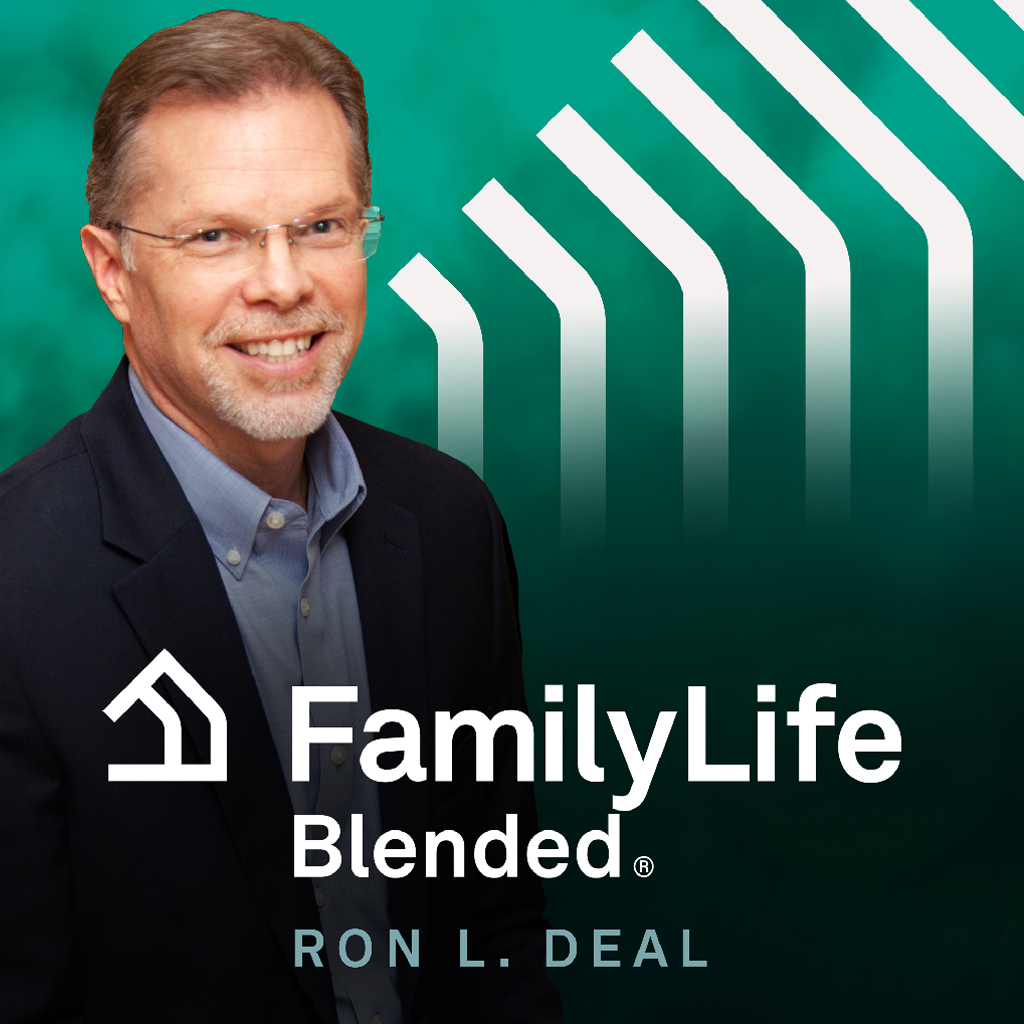
123: How To Overcome Co-parenting Conflict
High-conflict co-parenting is a common struggle in blended families. Ron Deal speaks with Diane Dierks and Rick Voyles on how to improve co-parenting conflict as you prioritize what you’re fighting for, change your response, and consider your kids first.
I Have a New Name: Hosanna Wong
Hosanna Wong: She’s into the 49ers, Marvel comics, spoken word poetry. She chats about rediscovering her connection with God during a season of life she never wants to repeat.
The Unexpected Jesus You Need: Eric and Erikah Rivera
Unexpected Jesus: Eric and Erikah Rivera