

More Than a Survival Story: Marriage after a Heart Attack – Jim and Angela Davis
When crisis hits, even strong marriages can fracture. In this gripping episode of FamilyLife Today, pastor-therapist couple Jim and Angela Davis share with Dave and Ann Wilson the story of their marriage after a heart attack: how trauma tested their vows, faith, and identity, and how grace rewove the threads. Their journey through fear, recovery, and rediscovery offers hope for anyone asking, “Can love survive the unthinkable?” Honest and healing, find how faith turns pain into purpose and rebuilds connection that lasts.
Thanks for tuning into FamilyLife Today. If you heard us on your local radio station, don’t worry you have found that same programming here in a full length episode.


Show Notes
- Find resources from this podcast at shop.familylife.com.
- See resources from our past podcasts.
- Find more content and resources on the FamilyLife's app!
- Help others find FamilyLife. Leave a review on Apple Podcast or Spotify.
- Check out all the FamilyLife's podcasts on the FamilyLife Podcast Network
Dear Listener,
As this year draws to a close, we’re thanking God for the many stories of families who found comfort, clarity, or renewed hope through the conversations you hear on FamilyLife. If these messages have encouraged your heart or helped your home hold more tightly to Jesus, we’re honored to have been part of your journey.
Looking ahead, many families are searching for the same reminders of God’s presence, whether in their marriages, parenting, or everyday walk of faith.
And right now, there is a generous $2 million matching gift, which means your year-end giving will be doubled, bringing gospel hope to twice as many families.
Would you prayerfully consider partnering with us to bless and uplift families as we enter a new year?
About the Guest
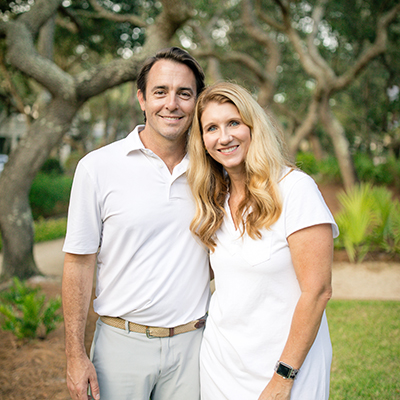
Angela Davis
Angela is a Mental Health Counseling Intern who lives in Orlando, Florida with her husband Jim and their 4 children. She received her Masters of Arts in Counseling from Reformed Theological Seminary in Orlando. In addition to counseling, she speaks for Family Life’s Weekend to Remember Marriage conferences. Before starting a career in counseling, Angela was on staff with CRU for 14 years where she worked with college students in various locations around the world.

Jim Davis
Jim Davis is teaching pastor at Orlando Grace Church (Acts 29). He is the host of the As in Heaven podcast on The Gospel Coalition podcast network and serves as a writer for The Dechurched Initiative. Jim writes frequently for The Gospel Coalition, Acts 29, and Family Life. He and his wife, Angela, speak for Family Life’s Weekend to Remember marriage getaways.
Episode Transcript
FamilyLife Today® with Dave and Ann Wilson; Podcast Transcript
This content has been generated by an artificial intelligence language model. While we strive for accuracy and quality, please note that the information provided will most likely not be entirely error-free or up-to-date. We recommend independently verifying the content with the originally-released audio. This transcript is provided for your personal use and general information purposes only. References to conferences, resources, or other special promotions may be obsolete. We do not assume any responsibility or liability for the use or interpretation of this content.
More Than a Survival Story: Marriage After a Heart Attack
Guests:Jim and Angela Davis
Release Date:December 18, 2025
Jim (00:00):
My heart rate went to 30, my blood pressure dropped in half and the doctor said, “If you were not surrounded by us, if this was the parking lot at the church, game over.”
Ann (00:09):
Wow.
Jim (00:09):
And what was weird was that I am more okay dying, actually than I’ve ever been. And I want to live more than I ever have.
Dave (00:19):
How has it affected your marriage?
Ann (00:26):
Well—
Ann:
I think, and can we say this? That I think—
Dave (00:29):
I don’t know. I don’t know what you’re going to say, so I think you can say it.
Ann (00:31):
Every single couple at some point in their marriage goes through adversity, right? Don’t you think a hundred percent?
Jim:
A hundred percent.
Angela:
Hundred percent.
Ann:
A hundred percent. Do you think a hundred percent of couples will go through some sort of physical adversity in the relationship and health wise?
Angela:
I would think so.
Jim (00:49):
If they’re together long enough.
Ann (00:50):
That’s what I was thinking too.
Angela:
Yes, I would definitely think so.
Dave (00:52):
Well, you’re hearing the voices of Jim and Angela Davis who have been married how long?
Jim:
Coming up on 21 years.
Angela (00:58):
Yeah, that’s right.
Ann:
But you guys have had no adversity in your lives. It’s amazing.
Angela (01:03):
That’s what we’re here to talk about.
Jim (01:04):
We wouldn’t be very good guests if that was the case.
Dave:
You’re obviously here because you have. Now we’re going to talk about maybe the most recent adversity, but were there others before this—I mean, I don’t even say the word out loud.
Ann (01:17):
It’s a health scare.
Dave (01:17):
When Jim Davis texted out or I got an email or something that you had a heart attack, I laughed out loud. I go, “No, not this guy. This is like a joke.”
Ann (01:27):
Because one, you’re incredibly fit and you’re young in our eyes, Jim. You’re very young.
Jim (01:32):
And I was in better shape then than I am now.
Ann:
Really?
Jim:
I mean, leading up to it, I was going CrossFit six days a week. And on top of that, I had a goal of rowing a hundred thousand meters in the month of December. So I mean, I was extremely active.
Dave (01:48):
In one month? I tried to get 5,000 meters a day, a week, actually a week.
Jim (01:52):
I was going for the hundred thousand media challenge.
Dave (01:53):
Well, there’s people listening right now going, “Well, that’s why you had a heart attack.” That’s exactly what some people are thinking.
Ann (01:59):
This is what happens. Don’t get too healthy. And how old were you when you had the heart attack?
Jim (02:05):
44.
Angela (02:06):
Don’t ask me.
Jim (02:08):
I got to do the math now.
Dave (02:09):
It wasn’t that long ago.
Angela:
Do math.
Jim (02:10):
44. It was 18 months ago. I was 44.
Dave (02:12):
Okay, walk us back. Let’s hear the story.
Jim (02:15):
So it was Sunday morning. I’m a pastor. I was preaching and we have two services, and there were really no warning signs before this, although my mom would want me to tell everybody at Thanksgiving the month before she thought my skin looked gray. And so she feels like she—
Ann (02:32):
Did she say it to you?
Jim (02:33):
She didn’t. And she says all the time—
Dave:
She did later.
Jim:
—”I wish I had said something. Your color looked off.” But I didn’t know anything was wrong, but my mom saw that.
Angela (02:41):
I didn’t notice it.
Ann:
You didn’t?
Angela (02:43):
I did not notice.
Jim (02:43):
Just used to my slow skin changed color. It wasn’t all of a sudden, but so I started feeling a little bit of burning, like indigestion and preached two services. And then we had a lunch with new people to the church, and that’s when it just felt like it was burning in my chest.
Ann (03:02):
And what did you think?
Jim (03:03):
I thought I was having a panic attack. I hear about guys my age who think they’re having a heart attack, and it’s really a panic attack. And it was a season; it was busy in the church. You had just finished your grad school. I had written a book that was requiring a lot of me, and so I just thought I’d overdone it.
Ann (03:21):
Had you ever had a panic attack?
Jim (03:23):
No, I hadn’t.
Ann (03:24):
Okay, but you’re thinking, “Oh, this must be”—
Jim (03:25):
This must be what it’s like.
Angela (03:26):
Yeah.
Jim (03:27):
So it was burning and then I guess I got to go home, and I didn’t think it’d burn anymore. And I’m in the parking lot and it feels like the sun is burning in my chest.
Dave:
Wow.
Ann (03:36):
And did you tell Angela any of this at that point?
Jim (03:37):
Well, that’s a funny story, part of the story.
Ann (03:40):
Is it funny?
Dave:
It’s funny now.
Angela:
Well, yes, looking back. So I’d already gone home with all the children. I wasn’t going to this luncheon and I was exhausted. I think you had been out of town—
Jim (03:50):
An elder retreat.
Angela (03:51):
—during that week? Yes, for an elder retreat. So I was pretty spent. And when he came in from preaching two services and a luncheon, had been gone most of the week and he said, “Hey, I don’t feel good. I’m really tired.” My first thought was, “Oh my gosh, you have got to be kidding me.”
Dave (04:08):
Compared to what you’ve been doing.
Jim:
Suck it up.
Angela (04:09):
I’m exhausted right now.
Ann:
How many kids do you guys have?
Angela:
We have four.
Ann:
So he’s been gone out of town. He is just preaching. You’re like, “Really? This is my break now.”
Angela (04:20):
Exactly. I was looking, this is my naptime, right?
Jim (04:21):
Yeah.
Angela (04:21):
So how long did we let sit like that? Maybe 30 minutes,
Jim (04:26):
Maybe long, not long. It felt like the sun was burning in my chest and it was on and off. And I remember the moment I said,
(04:33):
“Angela,
(04:34):
I’m scared.” And everything changed.
Angela:
That got my attention.
Jim:
I mean, it was, “What can I do?”
Ann (04:40):
Because that’s not typical of you?
Jim (04:41):
No.
Angela (04:42):
Not to say he’s scared of something. To feel bad, yes, but not to say he’s scared.
Jim (04:46):
And I’m starting to think maybe this is more than a panic attack at this point. So we were going to go to an urgent care, and my brother, this is a lot of God’s grace. My brother’s an ER doctor in town, and I told him what I was doing. He said, “No, no, you need to go to this hospital. I’ll have the red carpet rolled out for you.” And so we went and pretty much as soon as I could—I mean I walked right in. I was with doctors, hooked up to all kinds of things. And right after I kind of really got hooked up and they’d done some tests, the big one hit. My heart rate went to 30.
Angela (05:15):
Okay, this is where Jim kind of forgets parts of the story. I mean, we sat in the ER probably for two hours while they just ran tests, took their time. I took a nap. He was saying he was feeling better and that’s when everything just completely crashed. I mean, Jim, it’s hard for me to remember too, but it was like, did they put morphine or something—
Jim:
Morphine.
Angela:
—in his veins.
Ann (05:40):
And you were in a room though? You’re not waiting.
Jim (05:43):
My brother got me right in. I was in a room. It was the red carpet up.
Ann:
So you’re all hooked up.
Dave (05:48):
But you’re not in the room?
Angela (05:49):
Yes, I’m in the room.
Dave (05:49):
Oh, you’re in there too.
Ann (05:50):
Okay, so when you say the big one hit, what’d that feel like?
Jim (05:54):
Well, I don’t really remember. I was out.
Angela (05:56):
I was watching it. So it was like he just turned white and—
Ann:
Did he say anything?
Angela:
Yeah, he was like, I’ve got to get my shoes off. I’ve got to get my shoes off right now. It was kind of bizarre. It was like he was passing out. You know when you get really pale and kind of flushed and you feel like you’re going to pass out? That’s what was happening.
Ann (06:14):
No one else was in the room with you guys at that point?
Angela (06:17):
I don’t remember. Maybe one nurse. But then it was like everything, all the bells and alarms were going off, and she was calling for a doctor to rush in. Obviously, he was—what were they saying was happening at the time? Do you remember?
Dave (06:32):
I don’t remember any of this part.
Angela (06:33):
I know, gosh.
Dave (06:34):
Cardiac arrest or—
Angela (06:35):
But at the same time, we still weren’t thinking heart.
Ann:
Oh yeah, you didn’t know.
Angela:
We had no idea there was anything wrong with his heart. In fact—
Jim (06:42):
My EKG was normal for a while.
Angela (06:43):
EKG was still normal. And the nurse was like, “I think he had a really bad reaction to this morphine. We don’t ever need for him to touch that again.”
Ann:
So they gave you morphine because of the pain?
Jim (06:53):
No, I’m not a doctor but there’s something about giving morphine if it’s a possible heart attack, that’s helpful. That’s as much as I know. But what we learned in that moment, my heart rate went to 30, my blood pressure dropped in half, and the doctor said, “If you were not surrounded by us, if this was the parking lot at the church, game over, game over.”
Angela (07:14):
If we had gone to urgent care we had planned, it would’ve been game over.
Jim (07:17):
So then they know what’s happening. My EKGs or whatever, they have all the information to know. My brother’s there at this point making decisions for me and it’s a Sunday. And the doctor, the cardiologist is on call, but in God’s providence, he was there with his team, had just finished another heart attack. My brother would say he’s one of the best—this cardiologist happens to also be one of the best in the city. And so he’s there and that’s important because I had a hundred percent blockage in my widow maker, 90 in the next. So how long, the amount of time before you can get treatment is going to affect your heart and your brain. You could be a vegetable to damage. So they got me right back, and this is when I am coming to, and the first time I’m thinking, this is bad. They’re putting the—
Ann:
Paddle?
Angela:
The pads, yeah.
Jim:
It’s the same thing as the paddles, but—what do they call those?—defibrillators on my chest. They stick. And I’m thinking, “Okay.” And then so we go—
Ann (08:16):
Okay, this is bad.
Jim (08:18):
This is bad.
Angela (08:19):
That’s probably when I started realizing, “Oh, this is serious.”
Jim (08:21):
Yeah.
(08:22):
And so they took me back and I was kind of, I mean I was on morphine and fentanyl, so I’m chatty and I’m awake, but I was chatty. I was talking with the nurse. I remember the nurse saying, “You need to stop talking. You do not realize how serious this is. Do not talk.” And I was like, “Okay.” And so they start going up through my wrist into my heart. They see what’s going on. The cardiologist says, I’ll be right back. And again, I’m on morphine and fentanyl. I’m like, “Doc, what you got going on that’s more important than me right now? And he said, “Stop talking. I need to talk to your brother.” He ran out.
Ann (08:52):
What kind of physician is your brother?
Jim (08:54):
He’s an ER doctor. And anyway, he went to my brother and said, “This is so bad. I mean, he needs to be flown downtown. I don’t know if he’d live the flight or if he did, he’d be a vegetable, but he needs open heart surgery bypass. I can try a stint, but it’s risky.”
Dave (09:11):
Hey, real quick, I just wanted to remind you that this is a special time of year to give to FamilyLife because every gift is being matched through the end of the year. Do you hear that? Every gift matched through the end of the year, and that means your support goes twice as far to share God’s hope with families everywhere. So don’t miss the opportunity to double your impact today. To give, just visit FamilyLifeToday.com or you can call 1-800-FL-TODAY. That’s 1-800-FL-TODAY. Okay, let’s get back to the conversation.
Jim (09:45):
So they decided to do the risky stent, and it worked.
Ann (09:50):
But you’re having a heart attack.
Dave (09:52):
That was it? You didn’t have the open heart?
Ann (09:53):
You were having the heart attack as all this is going on?
Jim (09:57):
So Winnie—I am. I’m an active—I don’t know if it’s cardiac arrest or whatever the technical term is, but I am in the middle of a massive heart attack and they’re trying to figure out how to fix it. I needed open-heart surgery—sorry, double bypass, which is an open-heart surgery as best I understand. And they decided that the risk/reward was better to try this double stint and it worked. And I remember because I can see everything. I’m awake. And the moment those stents went in, all burning went away instantaneously. I remember being very surprised by that.
Ann (10:34):
What? You could feel it. Everything opened up and you had blood flow.
Dave (10:40):
So two stents? One in your widow maker and one beside it.
Jim (10:43):
Right, right.
Ann (10:45):
Okay, so Angela, he’s back there. You don’t know what’s going on. What’s going on in your mind?
Angela (10:50):
I mean, even as we’re talking, I feel my heart racing, just the memory of it. But I think a lot of fear not knowing how severe it was. I don’t think I ever imagined that we could lose him in that moment.
Jim (11:05):
So his brother never told you?
Angela (11:07):
No.
Jim (11:07):
And my brother told me later. He was just waiting for that code blue or whatever. He was just waiting for it to go off. He knew at any minute they might be trying to revive me, but he didn’t tell her.
Ann (11:21):
When they wheeled him back, did you know at that point that it was even heart?
Angela (11:24):
Yes, I did know that. And his brother was amazing to have in the moment because he knows what he’s doing. And he also protected me from having to make these huge decisions I knew nothing about.
Ann:
What a gift.
Angela:
So I knew—he was like, “We’re going to go back there and just see what’s going on in his heart because his EKG was off,” and that was all I knew. So I wasn’t all that panicked until I saw the cardiologist come out to talk to him in the middle of it. Then I was like, “What is happening right now?” So that’s when I knew it was serious.
Ann (11:56):
Wow. So the doctor came out. Did he talk to you first?
Angela (12:01):
No, he didn’t talk to me at all.
Ann (12:02):
Did his brother talk to you?
Angela (12:03):
Nope. He didn’t talk to me either.
Ann (12:05):
Wait, what?
Angela (12:06):
I know. I know.
Dave (12:06):
He didn’t even come over and say, “Here’s what we just talked about.”
Angela (12:09):
No, no. It was all—it was actually happening a lot faster than what we’re saying. And I just was praying, just praying like, “God, please work a miracle. Let this be okay. Give us Jim back.” after that moment.
Ann (12:23):
Were you aware of the family history of heart health?
Angela (12:27):
Well, that’s actually a funny part of the story. So the ER doctor on call came in and his brother was there at that time and he said, do you have a family history of heart disease or heart problems? And he said, “No,” and his brother said, “Yes.”
Jim (12:41):
At the same time.
Angela (12:41):
At the same time and I was like—
Dave (12:42):
Really?
Jim:
I didn’t know my grandfather in his fifties before I was alive had a heart attack.
Angela (12:48):
Yes.
Ann (12:48):
You didn’t even know that, but your brother did.
Jim (12:49):
He did.
Angela (12:52):
So important to know your family history instead of just holding—
Ann (12:54):
Was there anyone else that had had heart disease?
Jim:
Not that I’m aware of, no.
Angela:
I don’t think so.
Ann:
Wow. And all your blood work before this, your cholesterol, all that was normal?
Jim (13:04):
It was a little high, but they felt like, because my age and activity—
Ann (13:08):
You’re okay.
Jim (13:08):
I was manageable.
Ann (13:09):
Yeah.
Dave (13:11):
So I mean, do you go home that night? What’s the rest of the story? You’re in there a few days?
Jim (13:15):
Three days, I think in the hospital, and then it was a month on the couch.
Dave:
Oh, really?
Jim:
A month. And you really—slowly, I’m able to walk at a snail’s pace down the street.
Ann (13:29):
Oh, you couldn’t even walk?
Jim (13:31):
It was a very slow process of getting back.
Dave (13:34):
Now why? Because normal stents isn’t that extensive of a recovery.
Jim (13:39):
I don’t know the answer. I mean, I don’t want to make it sound worse than it was, but it was a week on the couch. And then I would take slow walks at a normal grandparent speed. No, maybe y’all are probably faster than the average grandparent.
Ann (13:54):
Probably, I think we are.
Jim (13:55):
I think we just got ripped right there in front of us.
Ann (13:58):
Well wait, so—
Dave (13:59):
I can’t keep up with her. She walks fast.
Angela:
I bet.
Ann (14:02):
But was there damage to the heart?
Jim (14:06):
So initially, there’s initial damage in terms of how much blood the heart can pump. It ended up fully restoring. I’m totally normal. The fact that I have full heart and brain capacity, the doctors would say is a miracle given what all could have happened. But in the beginning, I didn’t have full capacity in my heart and some damage was done. And so it was a little slow. And then—
Ann (14:31):
Well, okay, what were you guys feeling with that month? I mean, here’s Jim, this constant, like workout guy in total, like invincible in a way.
Jim (14:41):
Well, I’m going to let you answer that, but let me say, she has a gear when things are really hard, she has a gear that most people don’t and she just where she is doing and thinking, but she’s able to not feel. You’re able to push your, not that, I mean you’re very in touch with your emotions, but you’re able to do things and that’s what you did for a month. You worked hard. I mean everything, all the kids.
Angela (15:04):
Yeah. I mean it was just a process of I’m so thankful. Gosh, immense gratitude that he is with us, especially as you find out how bad it could have been. And I didn’t even realize it in the moment. So thankful our kids are connected to you, I think in a deeper way than they were before, especially our youngest. Just him laying on him. Just so happy to have him back.
Ann:
How old was your youngest at that time?
Angela:
How old was he then? Seven or eight.
Jim (15:31):
Just turned nine, I think.
Angela (15:32):
Oh, you think nine, okay.
Ann:
That’s sweet.
Angela:
And I think just wanting to do whatever I could, but in reverse it did put all the parenting family needs on me. And so we have four kids, I work, and we are involved in the school and all kinds of sports, so it was a lot. But like Jim said, I kicked it into another gear and that was fine for a time. You’re happy to help. And then we’ll talk more about what happened after that, I’m sure.
Ann (16:01):
What were you feeling, Jim? Because you’re—here you are a healthy young guy.
Jim (16:06):
Just shocked. I mean, there’s even a little bit of embarrassment involved. I don’t know if you experienced any of this. Not that I—there was nothing I did wrong.
(16:16):
But just you feel weak and you feel mortal.
Ann:
Vulnerable.
Jim:
Vulnerable. And so there’s a lot of that. And tears would come very easy after that. I’m understanding common with a lot of heart attack victims. I couldn’t explain why tears are coming, but I’d cry for no reason. I would—
Dave:
Still?
Jim:
I wouldn’t say still. I think, I can tear up. That’s my personality anyway. But usually now if I tear up, I can tell you why. There’s a reason. But for the next six months I was very different. So I tear up easy. I got overwhelmed in crowds. I mean, the four of us have spoken at Weekend to Remember®; that’s not me. And I was overwhelmed, introverted.
Ann (17:03):
And here you are a pastor.
Angela:
Yes, a lead pastor.
Jim (17:07):
And I couldn’t, some days be in the lobby, I would just feel overwhelmed. And then if I’m being more vulnerable here, some weird things happened. I began as I got back on my feet whenever I would—often when I spoke, I’d begin to have chest pains, and the doctors have concluded that it’s my body remembering that’s where it happened and it does not want to go back there. It’s called geographic association. And so I had to, because I feel chest pains, then I get anxious. And anyway, it would just spiral.
Ann (17:42):
So you have to retrain your brain.
Jim (17:43):
So there was a process I had to reassociate my body with that thing, where it knew the bad thing happened. Here’s my weirdest thing, Angela probably doesn’t want me to say this, but there are days when I would think, “Did I really die? Am I like Bruce Willis in the sixth sense? And I’m the only one that”—I mean weird stuff. And I know in my mind that’s not true. But you think weird things when—at least I did when faced with the reality that yes, I am going to die. I don’t know when it is. I always felt like it’s a long way down, but maybe it’s not.
Dave (18:19):
How has it affected your marriage?
Angela (18:22):
Well, I mean that’s kind of where I was going earlier.
Ann (18:25):
Yeah.
Angela (18:26):
I was happy to kick it into that next gear for a month.
Ann (18:29):
So you just compartmentalized it.
Angela (18:30):
Compartmentalized everything.
Ann (18:32):
All your feelings, emotions are over here.
Angela (18:33):
Yes, exactly. And then after, and I’d say it probably lasted longer than a month. I mean it lasted some time, maybe three, four months. And then once he physically kind of regained his strength and his health and more of his stamina, it was hard for me to be empathetic because I’m thinking, “Okay, now you actually could do these things. You could drive someone somewhere. You could cook a dinner.” And the empathy meter was just kind of going down.
Ann (19:01):
He emptied the tank.
Angela (19:02):
Yes, yes. But what I had to realize is that although physically he had regained his strength, emotionally he was not the same. And so just like a lot of the things he said, he got exhausted really easily. He would be moved to tears really easily, wanted to just withdraw and numb from maybe even thinking about what had happened to him or even just this near-death experience, which is common in a traumatic situation. So yeah, I think that’s where our marriage started to get a little rocky is that I felt like my empathy for him was going down. I feel a loss of connection because he’s disconnecting from everyone.
Jim (19:44):
And I was also isolated.
Angela (19:45):
Yeah, that’s the isolation.
Jim (19:46):
I mean you would say I had depressive symptoms.
Angela (19:48):
Completely. Yeah, he was definitely depressed.
Ann (19:53):
And you’re a therapist, so you were seeing the signs of it.
Angela (19:55):
I was definitely seeing the signs of it. And we talked about it and he admitted, “Yes, I definitely think that I probably am.” And so you’re trying to be supportive, but kind of growing a little bit bitter on the inside of you’re not who you are, who you were, and I want to learn to love this new version of you. You guys have probably done that too. How many new versions of our spouse have we learned to love over decades? And this was a moment where I was learning, “Okay, Jim might not ever return back to who he was. How do I learn to love him for who he is now?” And that was kind of the turning point I feel like for us reconnecting.
Ann (20:30):
I’ve heard so many couples say that, whether it be through some health kind of scare or even depression, all of that anxiety and you’re wondering, “Will I ever have that other person back?”
Angela (20:44):
Yes.
Ann (20:44):
Because you may not.
Angela (20:45):
Yeah.
Ann (20:46):
I think so many couples walk through that.
Angela (20:48):
Absolutely.
Dave (20:50):
Yeah. So did you get through it? Are you in it now?
Ann (20:53):
Should we do some therapy with you?
Angela:
Yes, let’s do it. No, I would say we have gotten through it. And even just on the way down here, we’re talking about, “Okay, so how did we reconnect? How did we kind of come back together?” I definitely think you can’t speak for FamilyLife Weekend to Remember without actually talking about what you’re talking about on stage. How is this going in our marriage?
Ann (21:17):
And you’ve been speakers for the Weekend to Remember how many years?
Jim:
2015, so 10 years.
Angela (21:21):
Yeah, about 10 years.
Dave (21:22):
Have you done one since?
Jim (21:23):
We have. We’ve done a few.
Angela (21:24):
It’s definitely changed what we talk about obviously.
Dave (21:26):
I’m just going to say to our listeners, go to a Weekend to Remember where Jim and Angela speak. I mean, I want to hear what, I don’t want to hear that yet, but I mean, in your personal experience, how did you navigate the new marriage? I mean, it’s the same marriage, but it’s sort of new.
Jim (21:43):
Yeah. I mean, she’s learning me and I’m actually having to acknowledge that I am different. I didn’t want to be different, that I felt weak.
Ann (21:52):
Were you defensive at first saying, “I’m not different”?
Jim (21:56):
It was hard to argue with the symptoms when, I mean, I would go and watch two hours of TV by myself. I’ve never been a TV watcher, not like a bingeing—
Ann (22:08):
That’d be weird, Angela.
Angela:
Totally.
Ann:
Like, wait, who are you? And we’ve got kids and remember our family.
Angela (22:13):
Yes. Yes. Exactly. I was definitely feeling that.
Dave (22:17):
I mean, what do doctors tell you is going on? Why would you do that?
Jim (22:20):
I mean, I was told that this is normal. Actually, I remember before I got out of the hospital, my cardiologist and my brother said, “You can expect depression. You can expect tears. I mean, you may need to get a counselor.” And in the hospital—and my wife’s a therapist, so I’m not against this, but I’m thinking, “I don’t need that. I’ll figure it out.”
Dave (22:42):
I’d be thinking the same thing, “I’ll be fine.”
Angela (22:44):
Yeah.
Ann:
My doctor said the same thing. He told me this before I went. “If anything happens, just know this: expect to feel vulnerable and expect to feel some emotions that you’re kind of shocked that this happened and you’re not sure what to do with them.” Did I even tell you that he said that?
Dave (23:03):
No, I’m hearing it right now for the first time.
Angela (23:06):
Oh my goodness.
Dave (23:07):
In public.
Ann (23:10):
As I said, I don’t really talk about my needs that much.
Dave (23:12):
But let me ask you this, because one of the experiences I had, so Angela, you and I are the spouse of the patient was that was a Friday and when a doctor came out after surgery and he’s like, went great, awesome. And I said, “Hey, we’re supposed to be in Colorado on Tuesday because her book just came out.”
Ann (23:32):
Monday. We were going to be there Monday night.
Dave (23:33):
Yeah, fly Monday night, be on Focus on the Family on Tuesday morning for her book. And I said, “Listen, if you say no, we don’t go. We’ll figure it out.” But he goes, “Well, she’s fine.” I’m like, “We can fly to Colorado.” “Yeah, no problem.”
Ann (23:45):
I asked him the same thing on the table.
Dave (23:47):
So we go, and this is where I realized I’m the different guy now. We get there nine o’clock or so, check in a hotel and I don’t know, two in the morning she wakes up and says, “We got to go. Something’s wrong.”
Angela (23:59):
Oh no.
Dave (24:00):
“I’m passing out.” And I’m not kidding. Six months before that, a year, I’d be like, “You’re fine.” I was like, woo.
Ann (24:08):
He was at the door—
Dave (24:08):
And I feel that way now every second. In fact, when we got there, it was mostly altitude they think. There was—all the numbers were great.
Ann (24:17):
I was dehydrated and I was on drugs I’d never been on.
Dave (24:20):
We went back to—
Ann (24:21):
Like a beta blocker.
Jim (24:21):
But you jump to the worst-case scenarios. I mean that was something for the next six months.
Ann:
Me too.
Jim:
Anything that felt different in me, I’m thinking, “Am I having a heart attack?”
Ann (24:29):
I’m like, “Did this stent not work?”
Jim (24:30):
Right.
Ann:
“Is it blocked again?”
Jim:
That’s exactly what I would think, often.
Angela (24:33):
Yes.
Ann (24:34):
Me too.
Dave:
Did you feel the same thing as the spouse? You’re a little more worried than normal.
Angela (24:37):
Yes, definitely a little more worried than normal. I think around Christmas, the same thing happened to him. He was preaching. He felt that chest pain again. He was like—we went to the hospital.
Ann:
You did?
Angela:
We stayed overnight because he was worried.
Dave:
Oh, you did.
Jim (24:49):
But it was that—it was going to be my first time back. I was going to give a short little message for the Christmas Eve service, very short. And I started to feel chest pains, and I didn’t know at that point, it was my body that didn’t like—
Dave (25:01):
Your body does that?
Jim (25:03):
And she can speak to trauma, but there’s a book called The Body Keeps the Score that talks a lot about this.
Dave (25:09):
Really?
Angela:
Yeah. That was so true.
Dave:
That’s crazy.
Angela:
Yeah.
Dave (25:13):
Well, it happened here.
Ann (25:15):
What do you mean?
Dave (25:17):
Your symptoms started right at this table. This table doesn’t bring that back?
Ann (25:20):
No, but I’ve had other times where I was like, “Oh”—and then all those fears and worries come up. We came home from the hospital in Colorado, and I remember being in bed, I was cold, and I remember thinking, “This could be it. I might not wake up.” And then I thought, “Well, if I don’t wake up, I’ll be with Jesus. And if I do wake up, well I guess there’s more for me to do.” And I went right to sleep. Either way it’s going to be good.
Jim (25:46):
Okay. This is interesting. And we’re thinking the same thing. You have verses in the Bible that, especially the famous ones that you know off the top of your head, but something like this happens and they become so much more meaningful.
Ann (26:03):
Yeah, it’s real.
Jim (26:04):
Do you know the verse I’m about to talk about?
Ann:
Which one?
Jim:
To live is Christ, and to die is gain.
Ann (26:08):
Yes. That was mine.
Jim (26:09):
That was mine.
Ann (26:10):
I was like “That’s why Paul said it.”
Jim (26:12):
I’ve preached on it three times since just because I want to spend time looking at it. And so I walked out of the hospital—and maybe not the next day, but in that short few weeks afterwards—what was weird was that I am more okay dying actually than I’ve ever been. And I want to live more than I ever have.
Ann (26:35):
I feel that too.
Jim (26:36):
And so this is what was going from my brain to my heart, I think. Usually you have somebody who, your average person has a high desire to live and a low desire to die. In horrible situations, they might have a high desire to die, low desire to live. But what Paul’s saying is he has a high desire for both and I was feeling that. It was just, it doesn’t make sense unless you really understand, why is death, gain for the Christian and because of what is on the other side of this life, why does that give eternal value to everything we do here and now? And so it’s been just this beautifully sweet verse to me.
Ann (27:19):
For me too. And also to think, “Oh, my assignment on the earth isn’t over. There’s more for me to do.” So it makes me more cognizant of God and “Lord, what else do you have for me?” Because obviously, it’s not my time, so it must be something. But a person who didn’t sleep that night in Colorado when I was just like, “I’m out,” Dave, who always sleeps through everything.
Angela:
Wow.
Dave (27:44):
You’re just scared. You’re like, “Could she go?”—never had that thought. We should, but we never think of life’s brevity and it’s staring you in the face.
Angela (27:54):
Yes.
Dave (27:55):
And that’s marriage.
Angela (27:56):
Did you feel helpless too?
Dave (27:57):
Yeah. There’s nothing I can do. I can pray. I can love her. That’s it.
Angela (28:03):
I can so relate with you on that.
Dave (28:04):
Yeah, I bet.
Angela (28:05):
Just that helplessness you feel and really for the first time, realizing what it might be like to be left alone.
Jim (28:11):
Which could be scarier than the thought of dying.
Ann (28:14):
I agree.
Jim (28:15):
I mean, I would rather die than lose her.
Ann (28:19):
Yeah, to mourn, to grieve, to go through that because I’m with Jesus, but it’s terrible for you.
Angela:
Right.
Dave (28:25):
Has it changed your marriage at all?
Jim (28:29):
I mean, I do think we got—everything’s—this past summer was actually pretty sweet. I had my first sabbatical.
(28:39):
We had an amazing counselor that we spent a lot of time with, and I think that has been really, she kind of pushed on the heart attack. She was like, “Listen, I’m no doctor, but there have to be some things in your life that contribute in some way.” I would burn the candle at both ends. Anyway, there’s a whole lot that the counselor did. The counselor listened more, made her feel like she talked a lot. She listened more. I feel like you saw a weak part of me that I didn’t want seen. But having allowed you in there, I feel—like when I’m crying and you’re doing breathing exercises with me in the den, I feel closer.
Angela (29:28):
Yeah.
Ann (29:30):
That’s intimate man and vulnerable.
Jim:
It is.
Angela (29:32):
And I think that’s what we needed. So we did a type of counseling called Emotionally Focused Couples therapy, which was something that I said, “If we ever do couples counseling, that’s what I want to do.” So it’s really looking at the emotions that are at play. We’re not talking about problem solving or homework. We’re talking about what is underneath your reactions, because we all get stuck in this negative cycle. So you have fights about different things, but they’re always kind of the same kind of fight
Ann (29:57):
Because there’s a root.
Angela (29:58):
Yes. Yes. And so that’s what we were trying to uncover like, “What are the messages underneath for both of us that we keep reacting to each other out of?” And the reactions are more right now because we’re trying to love a new person. I’m not as empathetic. I’m not as patient, not as supportive. And so that’s got to change in me. And that was just huge.
Ann (30:19):
And why is that?
Angela (30:21):
Yes. Well, exhaustion number one. I mean, just plain and simple exhaustion and then just trying—it really is learning to love a new person because you are wanting that old person back. So there’s a grief there.
Ann (30:34):
You’re grieving.
Angela (30:34):
Yes, there’s a grief there. Instead of thinking, “How can I fix you?” it’s like, “Well, no, let me try to get to know this new version of you.”
Ann (30:44):
I think as you say that, Angela, there’s a lot of listeners who are thinking, “I need to do that.”
Angela:
Yes.
Ann:
Whether it’s a health-related issue, some sort of trauma, emotional, whatever, it’s learning to love that person because we’re changing all the time.
Angela (30:59):
Yes.
Ann (31:00):
All the time. So how did you learn to love the new person?
Angela (31:04):
Well, number one, try not to fix them. And that’s going to require a lot of giving them space to let you in. So like he said, the vulnerability. He didn’t want me to see that weakness but once we were able to go there and I could see that weakness and actually love him in it, that connected us on a deeper level.
Dave (31:24):
I mean, was that a struggle for you at first?
Ann (31:26):
Yeah, because how did you get beyond the, he’s watching TV for two hours and it’s just bugging you?
Angela (31:31):
Yeah. Well, in that moment when we’re in counseling, and that’s part of my story is that—I won’t get into all the counseling theory, but I would put up walls. When I felt like I didn’t want somebody to see something, I didn’t want to be vulnerable, I would put up a huge wall. And so I would feel that happening to me in the session. I didn’t want him to know that. I didn’t want to tell him that. And she would push on that. No, I want you to tell me, “What is the thing you’re thinking about right now?” And I’d go, “Oh, okay, I’ve got to say it.” And then I would say it to him, and he would respond with empathy and kindness.
Ann (32:06):
Give us an example of one of those.
Angela (32:08):
Oh gosh. I think we really uncovered for me, I don’t know about for you. I would realize the message to me underneath was I was always the bad guy. It was always my fault. And so I was harboring a lot of anger and bitterness because this is my belief, and I’m just getting angry about it. I know it’s not always my fault. Why does it always have to be my fault?
Dave (32:26):
Who’s telling you it’s your fault?
Angela (32:27):
Yeah, internal. Yeah, myself. Just like underneath.
Dave (32:30):
Jim wasn’t doing that.
Angela (32:31):
No, Jim never said that.
Dave (32:32):
So your anger wasn’t toward him.
Angela (32:34):
No. No, it wasn’t. And so it really, for me to expose the lies that I’m believing, what’s driving my reaction towards him was so helpful because then I felt seen and I didn’t have to hide it anymore.
Ann (32:47):
And his response was beautiful.
Angela (32:48):
Well, yeah. He’s like, you’re not always the bad guy. Why do you think you’re always the bad guy?
Jim (32:54):
And I could see the shift from caregiver, then we talked about critical, but then curious.
Ann:
What’s that look like?
Jim:
I began to see her being more curious about what I’m feeling and why I feel the way I do. Our counselor would often say, “All behavior makes sense when you know someone’s story. All behavior—doesn’t mean you have to agree with the behavior, but it makes sense.
Ann:
Or like it.
Jim:
Or like it, yeah. And I could just see her being curious and I felt loved through her curiosity. And I’m stealing this from you, but you always say you can’t be curious and critical at the same time. You cannot. I would see her being curious and it was like criticality—is that a word?—went out the window. A critical spirit—
Angela (33:48):
I’ve tried to train myself when I start realizing I’m being critical of him, other people, my kids, whomever, that I’m starting to recognize it. Oh, I’m being really critical of this person right now. Why don’t I flip that and be curious instead?
Ann:
And it starts right here, in your mind.
Jim (34:02):
It’s like a decision. I mean, I do think she’s naturally good at this. I’m not. But I’ve started to, when I feel critical, I’ll say in my mind, what would it look like to be curious?
Angela (34:13):
Yeah.
Jim (34:14):
And so being given the blessing of her curiosity, it made me want to return it. And again, we had a great counselor that would walk us through it, but we’ve just been able to go to some really deep places that—
Ann:
It’s more intimate.
Jim:
—I don’t feel like we would have been.
Dave (34:31):
I was going to ask, do you think you would’ve ever gone there without this? Well, how about—
Angela (34:37):
Probably not.
Dave (34:38):
—would you ever go there without some kind of trauma, some kind of pain to push you there?
Jim (34:44):
I would like to think now having seen the value, and this isn’t our first blip on the scale. I mean, we have some other things in our background that have been hard times, but it’s like each one drills down the same fundamental truths that they just become more profound and more clear.
Ann (35:07):
Well, I’m just thinking of so many couples that are living in the critical spot, unable to get to the curious part.
Dave (35:14):
That’s where we lived.
Ann (35:15):
For years.
Dave (35:16):
That’s what your last book’s about. Really the critical—
Ann (35:18):
I think a majority of couples live in that place.
Angela (35:22):
Well, and it’s hardest to do with your spouse.
Ann:
Why do you think?
Angela:
I think there’s just so much emotion involved. I think with other people, we can give them the benefit of the doubt. We can remove ourself. We can have kind of a better perspective. But for some reason there’s emotional just—
Ann:
Expectation too.
Angela (35:41):
I’ve heard you say before something about safe places. The safest places are where you can let your guard down, be yourself.
Ann:
It’s true.
Angela:
You know that you’re going to be forgiven or accepted, which is a wonderful and beautiful thing until we take advantage of it.
Dave (35:58):
Yeah. There’s something about, right or wrong—I don’t know if I’m right, but if you go through trauma, adversity, struggle well, it feels safe. If it’s not well, it’s scary. You feel pushed away. You’re afraid to step in there. But if it’s done well, it opens up emotions and transparency. You may never have let that wall down, but now you’re like, “Who cares about this stinking wall? What am I doing?”
Angela (36:24):
Yeah.
Dave (36:25):
There’s no better. I got to go here. Is that sort of what you’ve experienced?
Angela (36:28):
Totally. And just trauma in general. An event doesn’t have to be traumatizing because of its severity. I mean it really is how the person responds to it.
Ann:
That’s a good point.
Angela:
How do they perceive it to be so you’re not severe?
Ann (36:41):
You might think, “This is nothing.”
Angela (36:42):
Exactly.
Ann (36:43):
Like “What in the world. You’re such a baby.”
Angela (36:48):
But in marriage, if we feel like we’ve got somebody with us in it, we have a strong support. It almost buoys us a little bit in the face of that severity to maybe ride that wave in a different way where it’s not as traumatizing as it could have been without that support. So I think we need each other in marriage because we’re going to go through hard things that we don’t see coming. I mean, that’s kind of what trauma is. It comes out of nowhere. It’s unexpected, out of the blue usually. I mean, just simple trauma.
Jim (37:15):
As opposed to—
Angela (37:16):
Well, a complex trauma, something that’s happening ongoing, like ongoing abuse or domestic violence, that is a different story. But out of the blue trauma, most couples, if they’re married long enough, we’re going to experience something like that.
Ann (37:31):
We love seeing how God works through FamilyLife to bring hope to families.
Dave (37:36):
And we can’t do it without you. Every gift helps us reach another home with the gospel. And so would you consider partnering with us?
Ann (37:43):
Just visit FamilyLifeToday.com or call 800-FL-TODAY.
Dave (37:49):
Okay. Let’s wrap up this conversation.
Ann (37:54):
Let’s give this example, and I love too that we have a pastor and a therapist on hand to give us perspective. Let’s say there’s just a couple that’s just maybe one of them, the husband or the wife is going through depression, anxiety, but they just can’t get out of it. And as a spouse, you feel like I’ve given them grace, I’ve given them time, and your patience is wearing out and now you’re critical. And let’s say your husband or wife is watching TV or sleeping, so much sleeping. How do you get curious? How do they get over to that place when they’re so fed up with it, when they’re like, “I’ve gone through it too and I’m not reacting like this.” Give us some coaching.
Jim (38:44):
I mean, I feel like this is your wheel. I have thoughts, but I feel like yours are going to be better.
Angela (38:49):
Yeah. First thought is it is a mind shift inside of your own brain. You have to train yourself. So we’re laying down a new neural pathway or a new way of being with someone.
Ann (39:02):
I call it training your brain.
Angela (39:02):
Training your brain. So we have to do that. Now, what makes it hard in marriage is that often we’ve gotten in this negative cycle. So we respond to each other in a certain way. We put up walls, we retaliate, we say unkind things and so we don’t want to be curious. It keeps us in the critical, “Why would I want to be curious when you’re just roadblocking me here and there.”
Ann (39:22):
And I have to do everything now.
Angela (39:24):
And I have to—yes. I’m exhausted. I don’t even have room to be—
Jim (39:28):
—watch a TV show.
Angela (39:28):
—curious at this point. I don’t know if I want to be curious about why you’re watching so much TV or about your show. So I do think that’s where it could be a friend, it could be your pastor. It does not need to be a counselor but—although they’re great too—you need kind of an outside perspective who can help you see things. Because when for me, as the spouse, if I’m isolating and I’m just getting bitter and nobody’s challenging that perspective, I’m going to stay there.
(39:57):
I’m going to stay in that critical place. I need a friend or someone else removed from it who can ask me the hard questions.
Dave (40:05):
Although that friend probably shouldn’t be somebody that’s jumping on your bandwagon. “I agree. You should be more bitter than you are.”
Ann (40:10):
What a loser.
Angela (40:13):
Yes. Because then they’re just critical. They need to be curious as well. So I would encourage anyone. I mean that’s definitely, I think the counseling piece was huge for us, being able to have that person. And we did it on Zoom, which is what is crazy. I was thinking “How is couples counseling via Zoom going to actually work?”
Jim (40:30):
Well, it’s funny because there are a lot of great counselors in Orlando, but we are connected with them.
Ann:
You know too many people.
Jim:
And you have this added layer of we’re going to be really honest. And there’s some things about me maybe that I don’t want spread around Orlando. Nothing. I’m not—
Ann:
No moral hidden—
Jim:
And maybe I have some thoughts about Angela that I don’t want spread around the counseling community. So it’s like we know them and we want to protect each other too but go to those deep places. So we actually found somebody in North Carolina
Angela (41:04):
And she was having to be licensed in Florida, and she was phenomenal, just really helped. And that’s why I love that type of therapy. It wasn’t just like we were staying in the cognitive where we’re just talking about homework and like, “Okay, he said, she said,” and there’s a place for that. But what we needed was to really unearth, “Okay, no, we have built up a lot of bitterness and frustration and just numbing, and we need to talk about what’s driving those behaviors so we can actually deal with the root issue of the problem.” And that was huge to see each other say the things that we didn’t know because we weren’t saying them out loud. And then the response in the moment was, I think the most healing. For him to have empathy for me when I’m sharing how I’m really feeling in response to him was the greatest healing there was. For me to realize, “Oh, he actually isn’t against me. He actually isn’t just taking advantage of me. He really loves me and he’s got a lot going on emotionally that I don’t even know about because he’s numbing it.”
Jim (42:04):
And I think when she was curious about me and my weakness—when she was critical, I was defensive. When she was curious, it actually allowed me to be curious about myself too. And so that was a change.
Ann (42:17):
What’s that look like?
Jim (42:21):
Why am I watching so much TV? Why are the tears coming? Why do I get overwhelmed in crowds? Those are things that I kind of wanted to live in denial a little bit about or hide, but her curiosity drew that out and I would have to, I became less. I felt less weak and more just, okay, maybe I need to be more curious about this new version of me too.
The other thing that I think is going on is we’re in a relationship where we want to, let me say it like this. God’s designed the marriage to be a place where you’re fully known and fully accepted, which is the very heart of the gospel. I mean, no one knows us more fully than God, and no one has accepted us more than he has through Jesus Christ. And it’s a real design. So then when we go to our most vulnerable places, the places we’re most intimidated or insecure or scared to go, and then we find acceptance there. It takes you to places that are deeper than you’d known.
Ann (43:35):
It reconnects you.
Jim (43:35):
It reconnects you. Yeah.
Angela:
Yeah, absolutely.
Ann (43:36):
You know what it made me think? It made me think as we talk spiritually, I’m thinking of the garden and the sin and fall of mankind and Adam and Eve.
Dave (43:46):
That’s where you went?
Ann (43:47):
It made me think—
Dave (43:49):
Here we go. Where are you going?
Jim:
I love it.
Ann (43:49):
Okay, God wasn’t critical as they had eaten of the fruit. He was curious. What was His first thing? He asked, “Where are you?”
Jim (43:59):
It’s not because He didn’t know the answer.
Ann (44:00):
He knew it, but He’s curious. And I think often we think God is critical, shaming, “What have you done? Where have you been? How could you do that?” Instead I feel like the Holy Spirit’s asking so many questions of, what’s going on and He wants us to be curious about ourselves. But I love that about God, about Jesus.
Dave (44:22):
Is that what you would say your marriage has now that it didn’t? That was going to be my next question. I think maybe you’ve already answered it, but what does your marriage now have that two years ago was not there?
Jim (44:36):
I think after all the dust settled, there was a reorienting of my own priorities, just kind of what do I really want to do? And I want to be a good husband and a good dad. Those are the main things. And I love being a pastor, but I had just been prioritized. I had just been burning it at both ends. That’s the best way to say it. And years ago, Angela said, “Jim, every time you say yes to something, you’re saying no to something else. And increasingly that no is to us.”
Ann (45:13):
Okay, that’s big.
Jim (45:14):
And that was a category that I just did not have. This is some years back, but kind of revisiting, “Alright, what do we want? What’s most important?”
Ann (45:26):
Let’s reshuffle the deck of cards.
Angela (45:27):
Yeah. Oh, that’s a good way to put it.
Jim (45:30):
And so I’ve talked with you about, there was a great opportunity in the writing world, and I was just like, no, I love writing, but I just need to focus here for right now.
Dave (45:43):
Yeah, that’s a big no, which is a big yes.
Jim (45:45):
It was the easiest no for me because of just where we were and having our priority shift. So that changed. That was your question. I’m trying to remember what your—
Dave:
What your marriage has now.
Angela (45:59):
Well, and I think the curious piece is huge too. To replace a critical spirit with a curiosity, “Hey, I want to know you more. I want to understand where you’re coming from instead of just automatically jumping to the critical.” Now, I don’t do that well all the time, but like I said, I’m training my brain that when I hit the critical, “Oh, here we are, we need to turn it around to the curious.” And that has really helped, I think, our communication, our connection.
Ann (46:26):
I know I’m imagining that, Angela, of you walking in, sitting on the couch and say, “I’ve never seen you do this before. This isn’t even who you are. Something must be going on to have you sitting here. Not that I’m condemning it, but something’s going on that would make you sit here for this amount of time because I’ve never seen this.” That’s being curious. Rather—
Dave (46:48):
I can’t wait for you to be more curious. This is going to be awesome. Not that I need to be more curious. You’re thinking the exact same thing that I should be more curious.
Ann (46:56):
You guys, this conversation has spurred me on thinking because after I had that stint, life did not change one iota in terms of schedule. We were in Colorado in three days.
(47:11):
And we were with our kids out there for five days. I mean it just because we had a book launch, it is a hundred percent go, which makes you not sit and even ponder. And so there’s been a gift for you guys. It probably was a hard one to walk through, but in terms of just taking it slow and kind of analyzing what’s going on, what I’m feeling. I don’t think we’ve had time to do that.
Dave (47:40):
I have.
Jim:
We can recommend a good counselor.
Angela (47:43):
Yes. Yes. We’ve got a good one.
Dave (47:45):
We’ve got a good one.
Ann (47:46):
Wait, what do you mean you have?
Dave (47:47):
No, I mean, yeah, in terms of lifestyle slowing, you haven’t quite done that really. No. I was thinking, for me thinking about Ann.
Ann (48:03):
Oh yeah. You have been nicer to me.
Angela:
I love her honesty.
Dave (48:08):
I think we’re done. Well, thank you for listening to FamilyLife Today.
Jim (48:13):
Well, I do think that it’s easy to overlook how this falls on the spouse, and I don’t have time for another story, but she did have cancer years and years ago, and I was the spouse. And so it’s weird to switch roles, but if you live long enough, you’re going to—it’s going to happen.
Angela (48:34):
You are.
Jim (48:34):
But it’s a whole different process for the spouse of the person who had the trauma. I recognize there are people out there with worse traumas. So I do think I’m appropriate using the word, but we didn’t lose a spouse. We didn’t lose a child. We didn’t lose a grandchild. And so I want to acknowledge that I did live—
Angela (48:56):
But it’s still a life-threatening event where you’re not sure, you feel powerless, you feel helpless, you’re not quite sure if you’re going to live or die. I mean, that’s scary. To me that is a trauma.
Dave (49:06):
And for me, what I realized, and I’m still processing is I’ve always thought of Ann as the strongest, most capable, not just woman, person. She is a rock. When our kids were little and I was somewhere, she’d throw them all in the car and drive 12 hours to go to Atlanta from Detroit. I’m like, who does that? She didn’t blink. She’s a rock. And this was like, she’s fragile.
Dave (49:35):
And I need to treat her like a precious vase that you don’t just throw around the room, you protect. I don’t know if I’ve done that real well, but why are you smiling?
Ann (49:44):
I feel like you have.
Angela:
That’s really sweet.
Dave (49:45):
I mean, I feel like I need to really do a better job of protecting her—
Ann (49:49):
And you have been.
Dave (49:50):
—to what I have done. And some of that’s me saying yes to things and dragging her with me. Because everything we do now is—
Ann (49:57):
Together.
Dave (49:58):
—marriage together. It’s rarely me alone. I’m actually saying to guys, “Hey, I’ll come speak at your men’s retreat so Ann can stay home and I’ll just do that. But it’s usually together. And I realized this isn’t about me. This is about her. And she deserves that. She’s earned that. So I think that’s in some way. I used to preach back in the day, James 1, consider it all joy whenever you face various trials of many kinds. You preach it too, I’m sure. The idea that adversity or trials make you better or bitter and listening to you—and again, I always say the choice is up to us. How we choose in that moment, we can become bitter, mad at God, mad at spouse, whatever. Or we can actually, you’re better.
Ann:
You are better.
Dave (50:38):
I mean, I’m listening to your story and you’re better.
Angela:
We didn’t go through a season of bitterness. I think that we could have stayed there.
Dave (50:44):
Yeah, yeah.
Angela (50:45):
And I’m so thankful that we didn’t. Even driving down here, I was like, “Do you feel like we’re a hundred percent back? Do you feel like that?” And I do. I really do think so. Definitely sabbatical helped kind of finalize that, but I definitely think we are, which is huge.
Dave (50:59):
I mean, last thought would be for you guys to say to our listeners who are in a battle right now or in a valley, in a storm, and it could be worse, it could be minor, but it’s a storm and they’re in it. How would you coach them? What would you say to them?
Angela (51:18):
Well, I for one, believe that God is writing our story and we despair. We become depressed. We become anxious when we think we’re in charge of writing it. And sometimes we get really tired and we get bitter in the midst of waiting and ongoing struggles. Just that place I was with him like, “Okay, how long is this going to last? When are you going to come back to me?” But I’m trying to control the narrative. I want to write the story. I want it to go how I want it to go and I forget that no, God has a plan in this. And when I can actually lean into that and say, “Okay, God, you’re writing a good story. Can I be curious about that instead of critical of you for what you’re writing? And wonder, “Okay, God, what could you be up to? Because I know you’re a good Father, and I know you’re going to write me a good story. It might not be the one I would’ve written, but it would still be good. So what are you up to in this moment?” And it allows me to wait with more patience and more hope than being bitter like I was.
Dave (52:17):
What about you, Mr. Patient?
Jim (52:20):
It makes me think of Philippians, where you see the theme of union with Christ. And what you see is the pattern of Christ’s life, of dying. And resurrecting is the pattern for all Christians—daily, dying to ourselves, dying to bitterness, dying to a critical spirit, and then seeing the Holy Spirit do all these resurrections in our hearts of love, joy, peace, patience, kindness, goodness, faithfulness, gentleness, self-control. But the resurrection is higher than the death. And so embracing a life in the pattern of Christ where we are going to die to ourselves daily but knowing and eventually experiencing all those resurrections in our heart that show us that the pattern is good. And I think I would also say, especially if the tendency is to isolate, which happens in a hard marriage, but it’s also, I think there’s lot culturally that I could argue that makes us more isolated. The importance of the church. And I just think about when I had that heart attack, the way the church came around me was just unbelievable. I had people that I didn’t even think they liked me, lavishing me with praise and “Are you okay?” and prayer. And it’s just like, it’s like, “Okay, this is what it looks like to live in community.” And then whereas appropriate, being able to go deeper with people, but isolation is maybe one of Satan’s greatest tools to divide us.
Ann (53:53):
I agree. Yeah. Wow, that’s really good.
Dave (53:55):
Yeah, and it sure sounds like rest is important as well.
Angela (53:59):
Yes.
Dave (53:59):
Your sabbatical, I don’t know if you would’ve taken it without this and now you realize this is something I have to do.
Jim (54:07):
It was on the radar and I still even, so I had my medical leave, but then I had sabbatical and I was even still, “Should I put it off a year? Things are busy, the church is growing,” but I did it. And now that I’ve experienced that kind of rest—now I know everybody can’t take a sabbatical but there’s different ways to rest—but I just realized, “Okay, I’ve experienced habits and rest and some major lifestyle changes that I need to really think through going back into my job full time.”
Ann (54:45):
That’s good.
Dave (54:47):
Well, it’s going to be really helpful for people.
Jim (54:48):
Thanks.
Ann (54:49):
I know. I think so too. Thanks you guys.
Jim (54:51):
It’s always fun to be with you all.
Ann (54:52):
Yes, love being with you guys.
Angela:
It’s such a treat.
Dave (54:53):
Don’t have another heart attack just to come back on, okay?
Angela:
Absolutely not.
Dave:
Just one a life. That’s it.
Ann (01:21:17):
Hey, thanks for watching and if you liked this episode—
Dave (01:21:22):
You better like it.
Ann (01:21:23):
—just hit that like button.
Dave (01:21:24):
And we’d like you to subscribe. So all you got to do is go down and hit the subscribe—I can’t say the word subscribe. Hit the subscribe button. I don’t think I can say this word.
Ann (01:21:35):
Like and subscribe.
Dave (01:21:36):
Look at that. You say it so easy. Subscribe. There it goes.
FamilyLife Today is a donor-supported production of FamilyLife®, a Cru® Ministry.
Helping you pursue the relationships that matter most.
If you’ve benefited from the FamilyLife Today transcripts, would you consider donating today to help defray the costs of producing them and making them available online?
Copyright © 2025 FamilyLife. All rights reserved.
www.FamilyLife.com